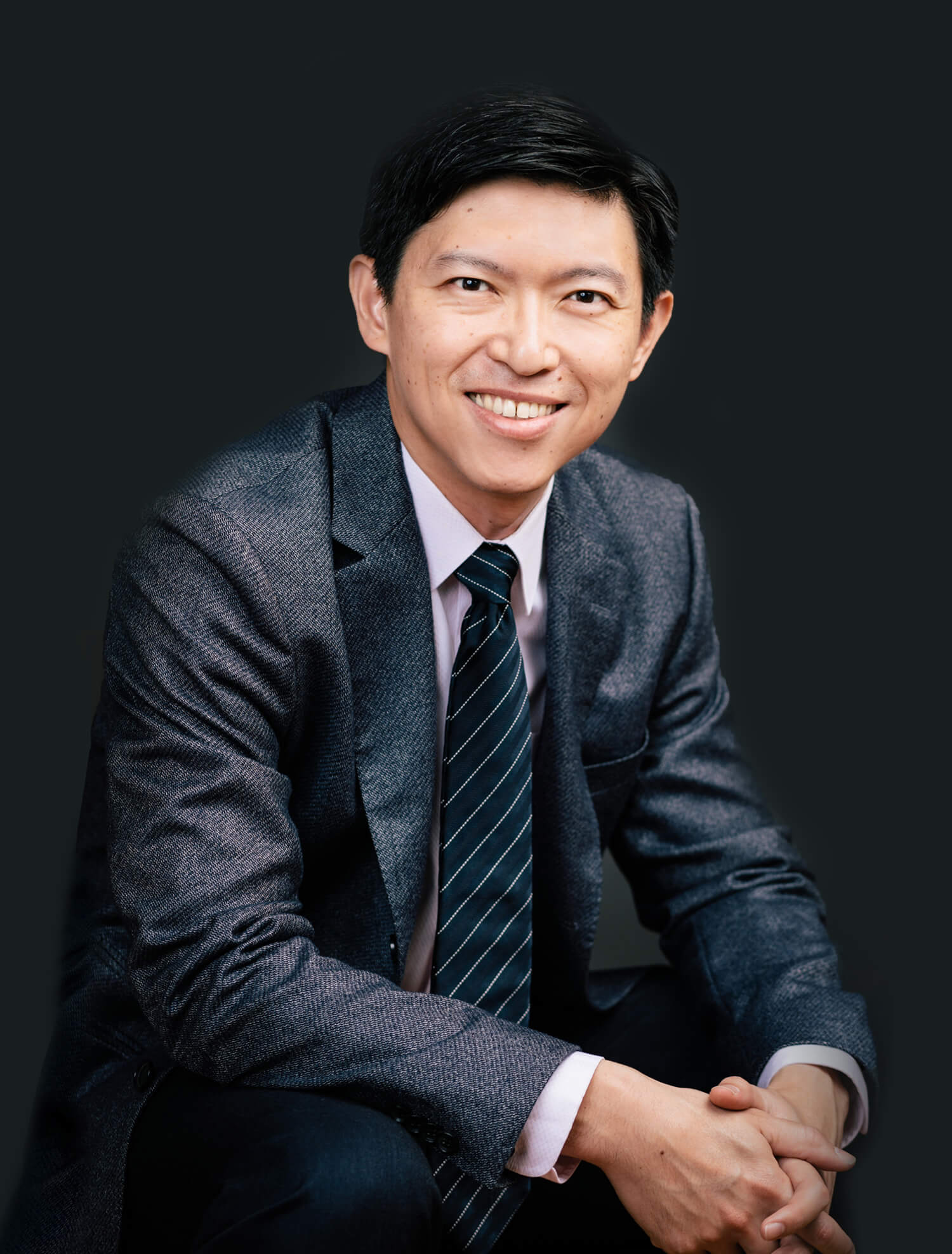
DR. ONG KEE LEONG

Knee Specialist In Singapore with 15+ Years Experience

Dr Ong Kee Leong is a fellowship-trained senior consultant orthopaedic surgeon who subspecializes in knee injuries, conditions, and surgeries. He has been registered with the Singapore Medical Council as a specialist in Orthopaedic Surgery since 2011.

Book Appointment

When Should You See A Knee Specialist In Singapore?

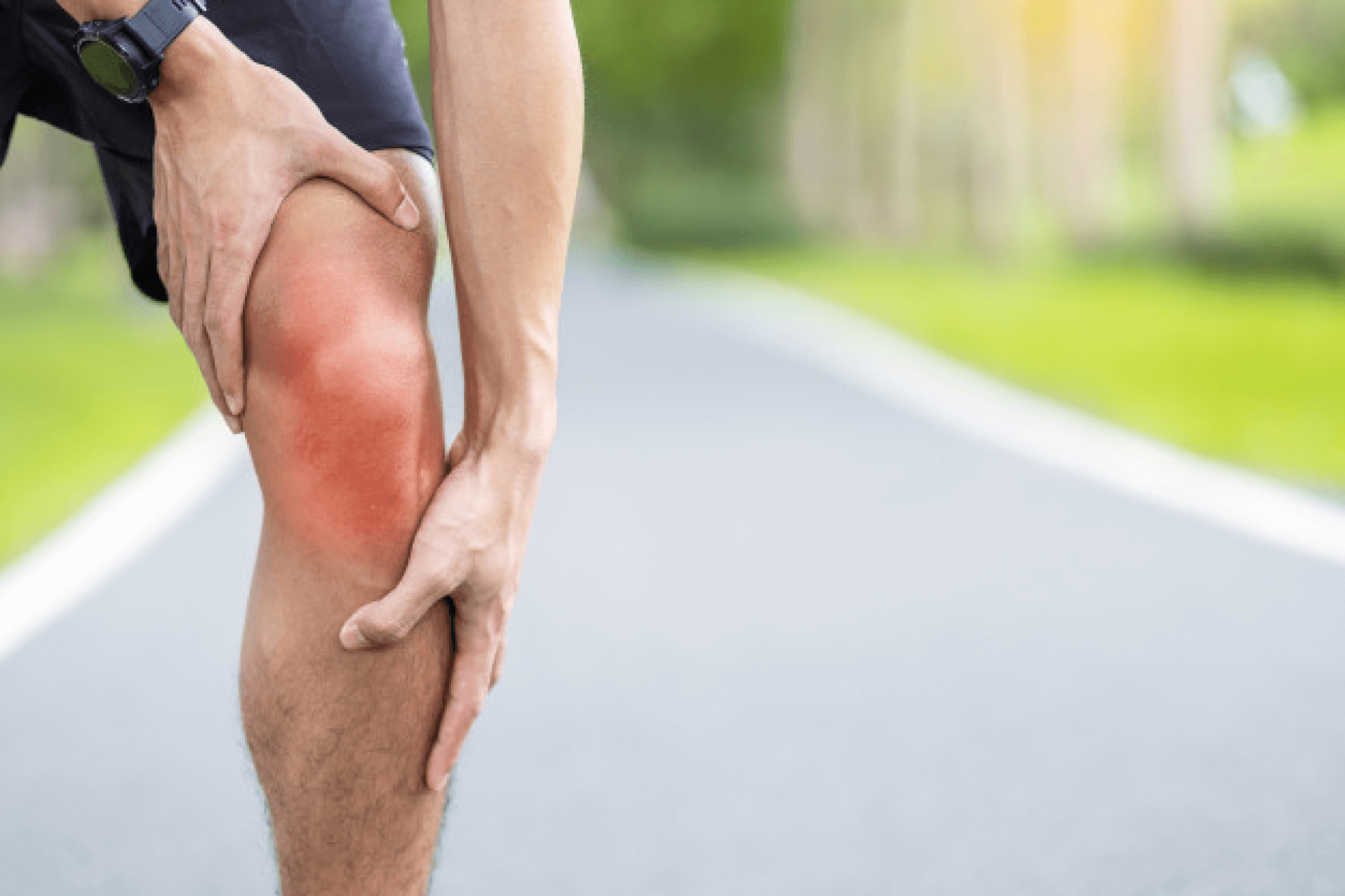
Knee Swelling

The first thing that can happen after an acute injury is swelling around the site of the injury. When the knee is injured, it can swell as a result of inflammation or possibly bleeding into the knee joint. If the knee swells without an acute injury, it is also wise to consult your doctor.

Instability or Reduced Range of Motion

Reduced range of motion can be related to swelling in the knee, as well as other joint injuries. If you have limited range of motion that does not begin to improve within a few days, you should contact your doctor. If there is knee instability, you should also consult your doctor.

Knee Pain

Please consult a knee specialist if knee pain is severe or does not resolve satisfactorily after an injury. If there is persistent pain without an injury, it will also be beneficial to seek a specialist’s advice.

Medisave & Insurance Shield Plan Approved

For Singaporeans & Singapore Permanent Residents

Certain Orthopaedic procedures are claimable under Medisave, and the exact amount would depend on the complexity of the procedure. For other cases, please speak to our friendly clinic staff about using your insurance plan or Integrated Shield Plan.

Why Do Patients Choose Dr Ong Kee Leong?

  • Dr. Ong Is Passionate In Sports, Giving Him A Deep Understanding Of Sports-Related Injuries And How They Can Be Treated
  • Personalised And Professional Approach To Deliver High-Quality Orthopaedic Care Based On The Most Up-To-Date Literature
  • Detailed Aftercare Plan To Ensure Smooth, Long-Term Recovery
  • Fellowship Trained Surgeon With 15 Years Of Experience In Orthopaedic Conditions
  • Problem-Oriented, Well-Organised and Individualized Treatment Plans Catered To Your Specific Needs
  • Specialist In The Management Of Sports Injuries And Degenerative Conditions Of The Shoulder And Knee Joints
  • Knowledgeable And Pleasant Clinical Staff To Assist You With Your Every Need Detailed Aftercare Plan To Ensure
  • Our Care Is Conveniently Accessible At Mount Elizabeth Novena and Farrer Park Hospital
  • Minimal Waiting Time For Initial Consultation
  • Assistance With Medical Claims (e.g. Medisave & Integrated Shield Plans)

“At our clinic, we generally try to explore non-surgical treatment such as activities modification, physiotherapy and orthotics before recommending invasive intervention options.”

Dr. Ong Kee Leong

About Dr. Ong Kee Leong

Senior Consultant, MBBS (Singapore), MMed (Ortho), FRCSEd (Ortho)

Dr. Ong Kee Leong is a fellowship-trained orthopaedic surgeon. He subspecializes in shoulder and knee, foot and ankle, hand wrist and elbow surgeries, arthroscopic sports surgery, and the management of sports-related injuries.

He has been registered with the Singapore Medical Council as a specialist in Orthopaedic Surgery since 2011.

  • MBBS, National University of Singapore (NUS) Faculty of Medicine 2001
  • Member of the Royal College of Surgeons of Edinburgh 2007
  • Master of Medicine in Orthopaedic Surgery (NUS) 2007
  • Fellow of the Royal College of Surgeons of Edinburgh in Orthopaedic Surgery 2011
  • Health Manpower Development Plan (HMDP) Scholarship, Ministry of Health 2012-2013:
  • Sports Surgery and Arthroscopy in Germany (Hannover)
  • Adjunct Assistant Professor, Lee Kong Chian School Of Medicine, Nanyang Technological University
  • Senior Clinical Lecturer, Yong Loo Lin School of Medicine, NUS
Awards & Teaching
  • Dr. Ong had received numerous awards such as Best Service and Eastern Health Alliance Caring (Gold) Awards.
  • He also has an interest in clinical research and has written papers in multiple peer-review journals. As a Core Faculty of Singhealth Orthopaedic Surgery Residency Program, he oversees the training of junior orthopaedic surgeons.
  • Regularly invited to teach local and regional surgeons in Shoulder and Knee Surgery Courses.
  • He is a recipient of multiple teaching awards including the Singhealth Residency Outstanding Faculty Awards from 2014-2016 and Changi General Hospital Outstanding Educator Awards 2015-2016.

Frequently Asked Questions About Knee Pain

What Is The Cause Of My Knee Pain?

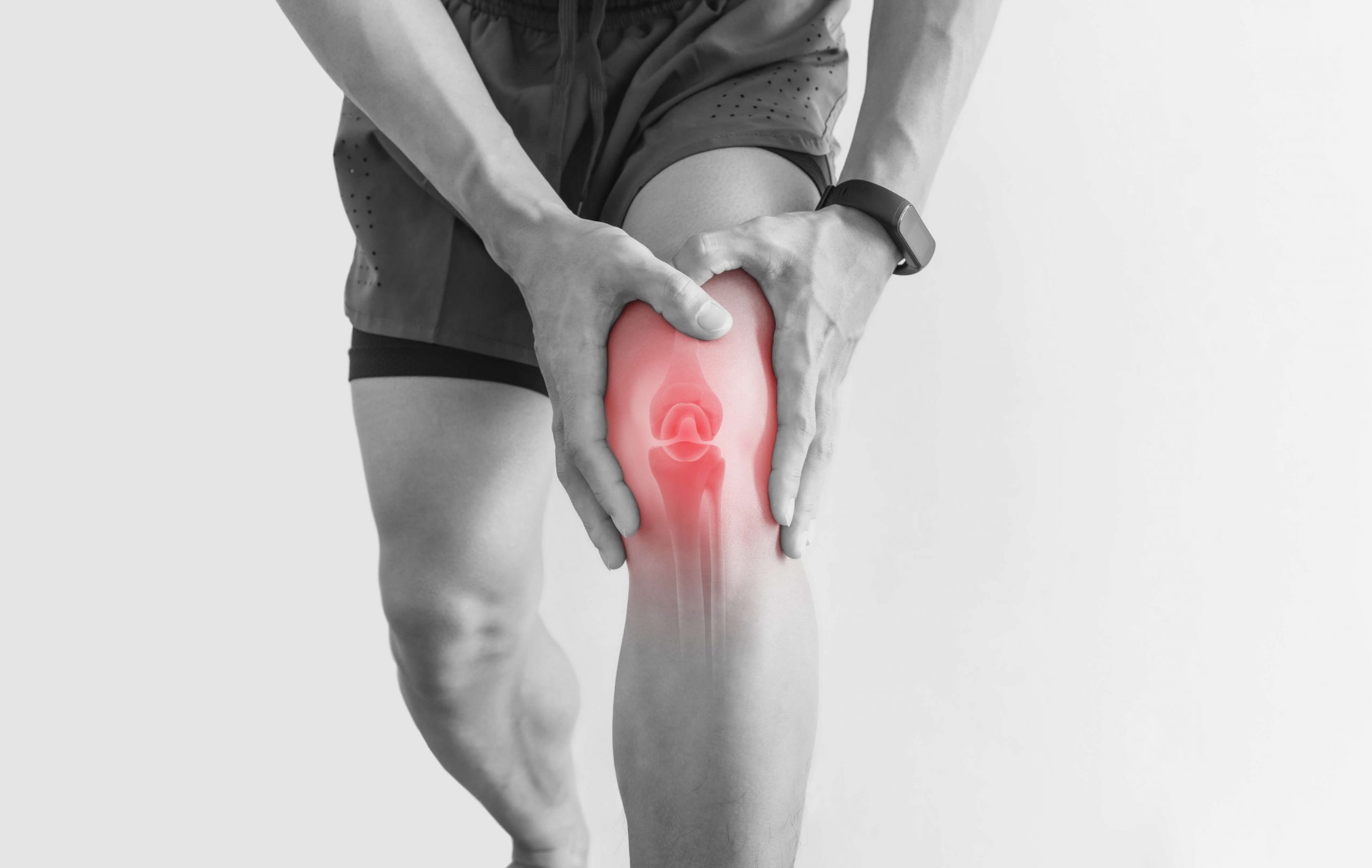
Knee pain occurs when there is a pain that is in or around your knee joint. The pain can be caused by problems with the knee joint itself, or by conditions that affect the soft tissues, ligaments or tendons around the knee.

There could be a variety of causes for your knee pain, such as injury. Sometimes, there could be persistent pain without an injury as well as a result of conditions (e.g. arthritis, tendonitis) or infection.

If your knee pain is severe or does not resolve satisfactorily after an injury, visiting an Orthopaedic specialist is the best way forward to get an accurate diagnosis and treatment.

What Are Some Of The Common Knee Conditions You Treat?

We treat a variety of knee conditions, including bone fractures, ligament tears and joint mobility issues:

  • Kneecap (Patella) Fractures and Instability
  • Shin (Tibia) Fractures
  • Thigh (Femur) Fractures
  • Knee Dislocation
  • Tendon Inflammation
  • Sports Injuries – Meniscus And Cartilage Damage
  • Ligament Tears – ACL, PCL, MCL, LCL, PLC
  • Knee Arthritis
  • Runners’ and Jumpers’ Knees

Is My Knee Pain Serious Enough For A Visit To A Specialist Orthopaedic Surgeon?

When your knee pain becomes more persistent, the treatment options may be beyond your GP’s expertise.

You should seek specialist medical advice from an orthopaedic surgeon if you experience any of the following:

  • Acute pain or swelling that lasts more than 48 hours
  • Pain after running, exercise, or walking on stairs
  • Instability or weakness when pressure is placed on the knee
  • Locking or stiffness of the knee joint
  • Inability to put full weight on your knee
  • A fever, in addition to redness, pain and swelling in your knee

If your knee pain is affecting your quality of life and you cannot perform everyday activities (such as standing or walking) it is highly advisable to see an orthopaedic surgeon for a detailed diagnosis and advice.

Can I Continue My Sporting Activities If I Am Experiencing Knee Pain?

Dr. Ong always advises patients to listen to their bodies and not push through the pain barrier. If your pain does not subside with RICE (rest, ice, compression and elevation) and over-the-counter painkillers, it is highly advisable that you seek professional medical advice. Continuing with sporting activities will place additional strain on your shoulder and worsen the condition.

What Can I Expect At My First Visit With An Orthopaedic Surgeon?

At your first appointment with Dr. Ong, he will evaluate your medical history and the pain you are experiencing.

Depending on the symptoms you have, he will likely perform some form of diagnostic imaging (e.g. X-Rays or MRI scans) to assess your condition accurately. X-rays and CT scans are useful to rule out bony problems, whilst an MRI scan is excellent at looking at soft tissue (e.g. tendons, ligaments, cartilage) problems.

After assessing your condition, Dr. Ong will recommend a personalised treatment plan, according to your specific needs. This may include surgical or non-surgical treatment options.

Will I Need Surgery To Treat My Knee Pain?

After diagnosis, Dr. Ong will advise an individualised treatment plan that is customized to your specific needs. The treatment plan varies from patient to patient, and the condition you have.

For less severe problems, Dr. Ong may recommend a non-surgical management plan (such as painkillers and physiotherapy) to treat your condition initially. If your symptoms do not improve or even worsen over the course of this treatment, Dr. Ong will review the treatment protocol and may advise surgery.

Dr. Ong will only recommend surgical options when all other conventional non-surgical interventions have failed, or if non-surgical options will not work for your condition. For example, if you have a broken bone which is extremely painful and debilitating, you may benefit from immediate surgery.

What Modes Of Payments Do You Accept?

Consultation fees are charged based on length of consultation, and start from SGD$200 (within 30 minutes).

We accept the following modes of payment:

  • Cash
  • PAYNOW & PAYLAH
  • All major Credit Cards

If you are insured and would like to use E-Filing or A Letter of Guarantee (LOG) from the major insurers in Singapore, please contact us, our friendly clinic staff will assist you and provide more information if required.

Have an enquiry about your condition or a certain treatment?

Fill up the form and we will get back to you soon!

Make An Enquiry

    Prefer to talk? Call our clinic directly to make an enquiry at (65) 6884 6788

    (Please ask for Dr Ong Kee Leong)

    or Whatsapp us at (65) 9652 5022

    We are available 24 hours

    our clinics

    Visit Us Today

    Mt Elizabeth Novena
    • (Ask for Dr Ong)
    other practice locations
    Farrer Park Hospital
    Mt Alvernia Medical Centre

    Your Treatment Roadmap With Dr. Ong Kee Leong

    Registration

    Our friendly clinical staff will assist you with your registration, ensuring an efficient and hassle-free process for you.

    Specialist Consultation

    During your consultation, Dr. Ong will evaluate your medical history and the pain you are experiencing. You may also ask Dr. Ong any questions you may have about your condition.

    Diagnosis Of Your Condition

    Dr. Ong will likely perform some form of diagnostic imaging (e.g. X-Rays or MRI scans) to assess your condition accurately.

    Treatment For Your Condition

    After imaging, Dr. Ong will review the results of your scans thoroughly with you, and advise an individualised treatment plan just for you.

    Follow Up Visits With Dr Ong

    As you go through your treatment plan, Dr. Ong will follow up with you every step of the way, ensuring that you receive the dedicated care you deserve.

    Book Appointment

    The Role of a Knee Specialist in Managing Knee Pain

    Diagnosis

    The initial step in managing knee pain is an accurate diagnosis.

    A knee specialist employs a comprehensive approach that includes a detailed patient history, physical examination, and the use of diagnostic imaging techniques such as X-rays, MRI scans, and ultrasounds.

    Treatment

    Once a diagnosis is established, the knee specialist develops a tailored treatment plan aimed at alleviating pain, restoring function, and preventing further injury. Treatment strategies may include non-surgical or surgical interventions.

    Prevention and Long-term Management

    In addition to treating the immediate symptoms, knee specialists also focus on preventing future issues through patient education and guidance on proper knee care.

    Understanding Your Knee Pain

    Knee pain can develop from various sources, ranging from acute injuries to degenerative changes.

    Torn or Damaged Ligaments

    Your knee relies on four major ligaments for stability. Sports activities, falls, or sudden directional changes can stretch or rupture these crucial structures. ACL injuries are particularly common in pivoting sports, while MCL tears often result from direct contact. These injuries typically cause immediate swelling, instability, and difficulty weight-bearing.

    Cartilage Damage (Meniscus Problems)

    The C-shaped cartilage in your knee can tear from rotational movements or degenerate over time. Athletes often experience acute tears during twisting motions, while older patients may develop degenerative tears from normal wear. Symptoms include mechanical catching, clicking sounds, and episodes where the knee feels “stuck.”

    Degenerative Joint Changes

    Knee arthritis develops when the smooth joint surfaces gradually wear away, leading to bone-on-bone contact. This progressive condition commonly affects active individuals and those with previous injuries. Morning stiffness, pain with prolonged walking, and difficulty with stairs are hallmark symptoms.

    Overuse Tendon Problems

    Repeated stress from running, jumping, or squatting can inflame the tendons around your kneecap. This condition, often called “jumper’s knee,” creates localized pain that intensifies with activity and may persist even during rest phases.

    Related Articles

    ACL Tears In Singapore – An Orthopaedic Surgeon’s Guide (2021)
    A Complete Guide To ACL Tears In Singapore By An Orthopaedic Surgeon (2021) What does the ACL do? The ACL, which stands for Anterior Cruciate Ligament, is one of the most important ligaments in your knee. It is located in the middle of the knee, attaching the shinbone to the thigh bone. The primary function […]
    Common Causes of Knee Pain When Bending
        Knee pain when bending is a common issue that can affect people of all ages. Whether it occurs while squatting, climbing stairs, or sitting down, this discomfort can interfere with daily activities. This article explores common causes of knee pain, explaining how different conditions may contribute to discomfort and when medical advice may […]
    Total Knee Replacement In Singapore: An Orthopaedic Surgeon’s Guide
    What Is Total Knee Replacement? A total knee replacement is a surgical procedure that aims to restore regular knee function by replacing an ailing knee with an artificial joint. In Singapore, this is sometimes referred to as total knee arthroplasty. A healthy knee is necessary for performing everyday activities because its responsible for extension, flexion, […]
    back to top