(Ask for Dr Ong)

DR. ONG KEE LEONG
Partial Knee Replacement
Partial knee replacement, also known as unicompartmental knee arthroplasty, involves replacing only the damaged portion of the knee joint while preserving the healthy bone and tissue. This surgical procedure targets specific areas of the knee affected by arthritis or injury, typically focusing on one of the three compartments: medial (inner), lateral (outer), or patellofemoral (kneecap). The procedure aims to relieve pain, restore function, and improve mobility for patients with localised knee damage.
Book AppointmentPotential Risks and Complications
Partial knee replacement is generally successful, but complications can occur. Infection at the surgical site may require antibiotics or additional surgery. Blood clots may form in the veins, with preventive measures like compression stockings and blood thinners. Some patients may experience ongoing pain or stiffness, which can improve with physical therapy. Implants can wear or become loose, especially in younger, more active patients, possibly needing revision surgery. Mechanical issues, like implant malalignment, may cause uneven wear or pain. Rarely, nerve or blood vessel damage can result in numbness or weakness. Arthritis may progress in remaining compartments in some patients within 10 years.
Indications for Partial Knee Replacement
The following conditions may suggest that partial knee replacement could be an appropriate treatment option.
- Osteoarthritis limited to one compartment: Patients with arthritis affecting only one section of the knee joint may benefit from this approach. The disease must be confined to either the inner, outer, or kneecap area of the knee.
- Pain unresponsive to conservative treatments: Candidates typically experience persistent knee pain that has not improved with non-surgical interventions such as medication, physical therapy, or injections.
- Intact ligaments: Suitable patients have functioning anterior and posterior cruciate ligaments. These ligaments provide stability to the knee and must be in good condition to ensure successful outcomes after partial replacement.
- Limited deformity: Patients with minimal knee deformity or contracture are better candidates for this procedure. Significant angular deformities often require the more comprehensive approach of total knee replacement.
- Adequate range of motion: Appropriate candidates maintain reasonable knee flexibility and motion. A good pre-operative range of motion helps predict better functional outcomes after surgery.
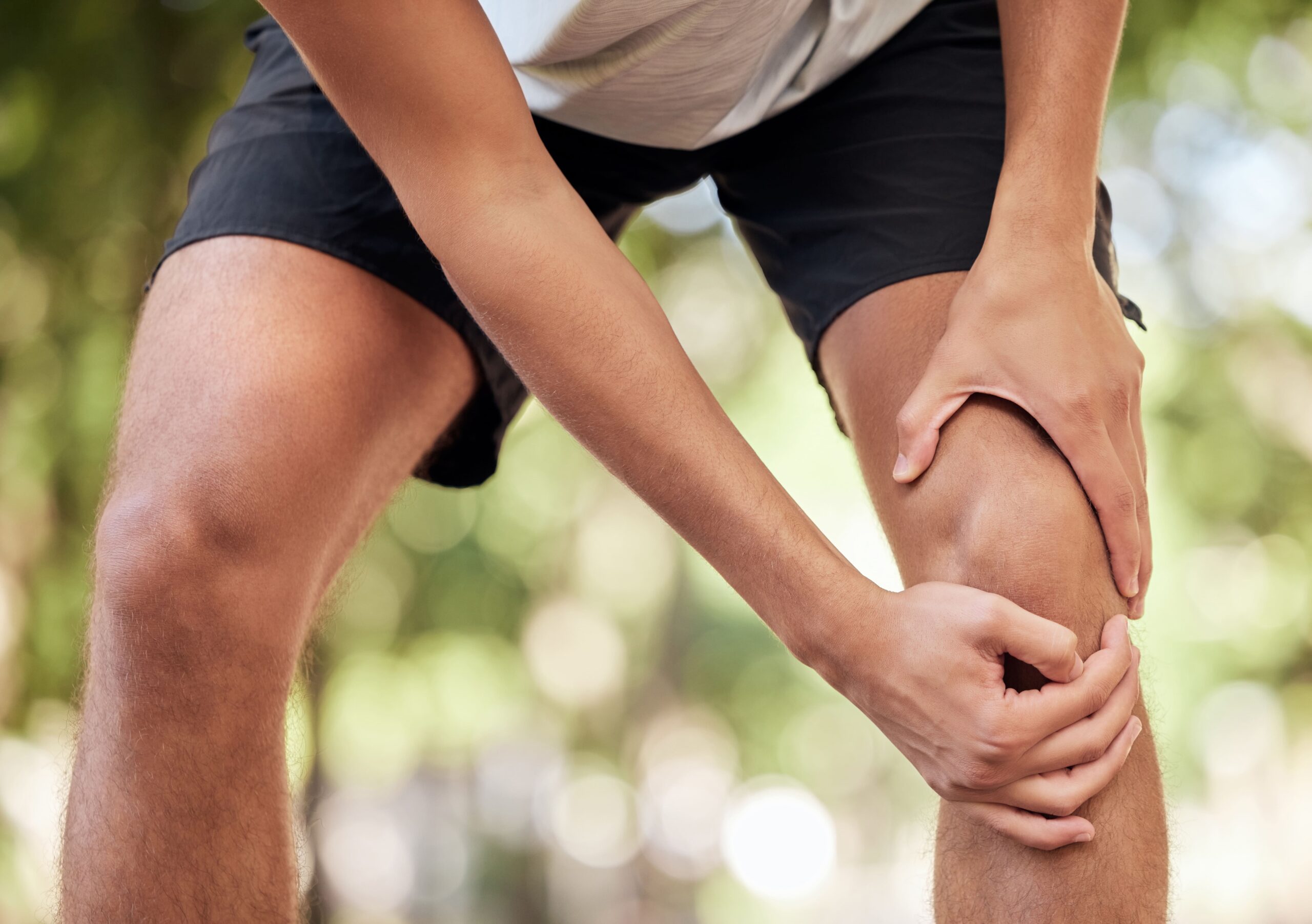
Surgical Techniques
- Minimally invasive technique: This method uses a smaller incision, typically 8-10 cm long, compared to traditional open surgery. The surgeon accesses the knee joint through this limited opening, working with specialised instruments designed for restricted spaces. This approach reduces tissue trauma and often results in less post-operative pain and faster initial recovery.
- Robotic-assisted surgery: This technique incorporates computer navigation and robotic technology to enhance surgical accuracy. The system creates a three-dimensional model of the patient’s knee before surgery, allowing for detailed planning of bone cuts and implant placement.
Benefits of Partial Knee Replacement
Bone preservation
This procedure removes less bone than total knee replacement. Only the damaged portion of the knee is replaced, preserving healthy bone and tissue for potential future procedures if needed.
Less invasive surgery
The operation requires a smaller incision and less tissue disruption. This targeted approach minimises trauma to surrounding structures in the knee.
Quicker recovery
Patients typically experience faster rehabilitation and return to activities. The recovery timeline is often shorter compared to total knee replacement, with many patients walking without assistance sooner.
More natural knee movement
By preserving healthy structures, the knee often feels more natural after healing.
Reduced blood loss
The focused nature of the surgery results in less bleeding during the procedure. This can contribute to fewer complications and reduced need for blood transfusions.
Medisave & Insurance Shield Plan Approved
For Singaporeans & Singapore Permanent Residents









Preparing for Surgery
- Medical evaluation: A comprehensive health assessment determines surgical readiness. This includes blood tests, electrocardiogram, and possibly additional imaging of your knee. The evaluation identifies any medical conditions that could affect your surgery or recovery and allows for appropriate management beforehand.
- Medication adjustments: Certain medications may need modification before surgery. Blood thinners, anti-inflammatory drugs, and some supplements may be temporarily stopped to reduce bleeding risk.
- Fasting guidelines: Food and drink restrictions apply before anaesthesia. You should avoid eating solid food for 6-8 hours and clear liquids for 2 hours before surgery. Following these guidelines reduces the risk of aspiration during anaesthesia and helps prevent surgical complications.
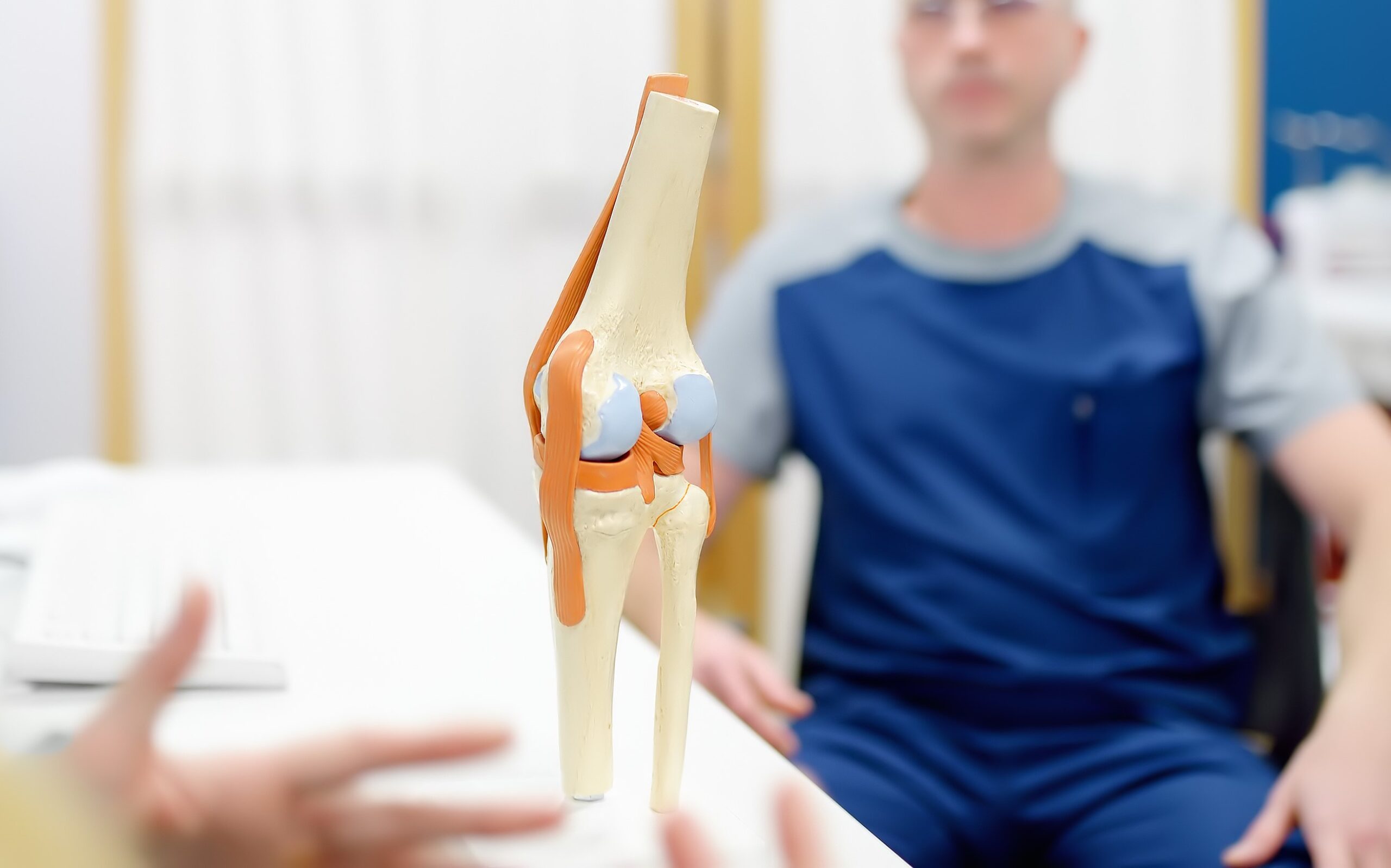
Post-Surgical Care and Recovery
- Pain and Mobility Management: Immediate care focuses on pain control, swelling reduction, and early mobility. Within 24 hours, patients begin standing and walking with assistance from a walker or crutches. Physical therapy starts early to prevent stiffness, promote circulation, and guide knee bending and straightening exercises.
- Hospital Stay and Rehabilitation: Patients typically remain hospitalised for 1-3 days, where wound healing and early mobility are closely monitored. Physical therapy starts soon after surgery, progressing from basic range-of-motion exercises to more challenging activities over 6-12 weeks. The goal is to restore strength, improve balance, and help patients regain normal gait patterns.
- Recovery Timeline and Follow-Up: Daily activities resume in 4-6 weeks, with driving possible after 4-8 weeks. Return to work varies by job demands. Follow-ups typically occur at 2 weeks, 6 weeks, 3 months, 6 months, 1 year, and then annually or biennially.
Step-by-Step Procedure
Anaesthesia administration
The procedure begins with either spinal or general anaesthesia. Spinal anaesthesia numbs the lower body while the patient remains awake but sedated, whereas general anaesthesia renders the patient unconscious throughout the surgery.
Incision and exposure
The knee surgeon makes a 3-6 inch incision over the affected compartment. This incision is smaller than in total knee replacement, as access is needed only to the damaged portion of the knee. The surgeon carefully navigates through the tissue layers to expose the knee joint while preserving surrounding structures.
Assessment and preparation
Direct visualisation confirms the extent of damage and surgical approach. The surgeon examines the compartment requiring replacement and verifies that other areas remain healthy. This step may include removing any loose cartilage or bone debris and preparing the surfaces for the implants.
Bone reshaping
Specialised instruments precisely cut the damaged bone surfaces. The surgeon removes a minimal amount of bone from the femur (thigh bone) and tibia (shin bone) in the affected compartment. These cuts create flat surfaces that will accommodate the metal components of the implant while preserving as much healthy bone as possible.
Component placement
Metal implants are secured to the prepared bone surfaces. The femoral component is typically made of metal alloy and shaped to match the natural contour of the femur. The tibial component includes a metal base plate that attaches to the tibia. A plastic polyethylene insert fits between these components to enable smooth gliding motion.
Testing and adjustment
The surgeon verifies proper fit, alignment, and knee mechanics. With the trial components in place, the knee is put through various movements to check stability, range of motion, and tracking. Adjustments are made as needed to ensure optimal function before the final implants are permanently secured.
Final fixation
The definitive implants are secured using bone cement or press-fit technique. For cemented implants, special bone cement creates a strong bond between the components and bone surfaces. Press-fit implants have textured surfaces that allow bone to grow into them over time. The choice depends on bone quality and patient age.
Closure
The incision is closed in layers using sutures or staples. A sterile dressing is applied over the wound, and a knee brace or compression bandage may be used for initial support.
Why Do Patients Choose Dr Ong Kee Leong?
- Dr. Ong Is Passionate In Sports, Giving Him A Deep Understanding Of Sports-Related Injuries And How They Can Be Treated
- Personalised And Professional Approach To Deliver High-Quality Orthopaedic Care Based On The Most Up-To-Date Literature
- Detailed Aftercare Plan To Ensure Smooth, Long-Term Recovery
- Fellowship Trained Surgeon With 15 Years Of Experience In Orthopaedic Conditions
- Problem-Oriented, Well-Organised and Individualized Treatment Plans Catered To Your Specific Needs
- Specialist In The Management Of Sports Injuries And Degenerative Conditions Of The Shoulder And Knee Joints
- Knowledgeable And Pleasant Clinical Staff To Assist You With Your Every Need Detailed Aftercare Plan To Ensure
- Our Care Is Conveniently Accessible At Mount Elizabeth Novena and Farrer Park Hospital
- Minimal Waiting Time For Initial Consultation
- Assistance With Medical Claims (e.g. Medisave & Integrated Shield Plans)
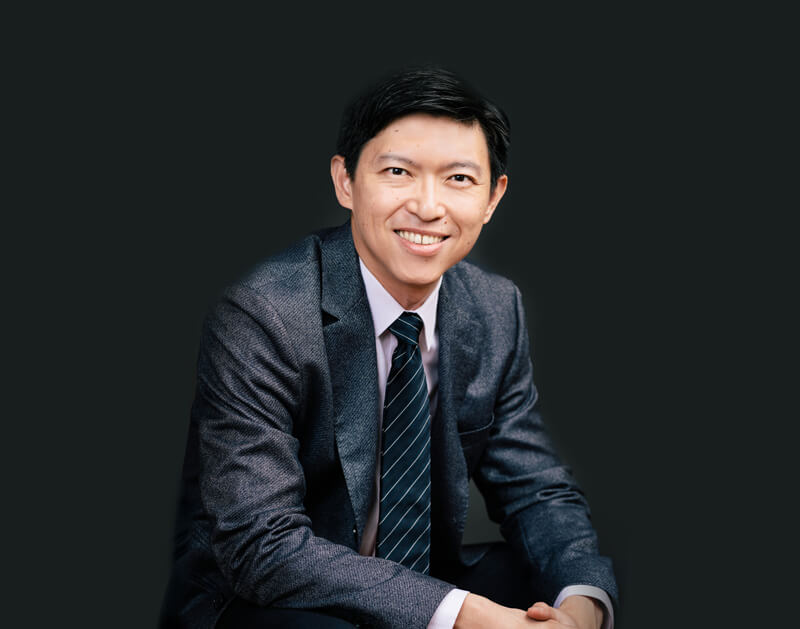
About Dr. Ong Kee Leong
Senior Consultant, MBBS (Singapore), MMed (Ortho), FRCSEd (Ortho)
Dr Ong Kee Leong is a senior consultant orthopaedic surgeon with subspecialty training in shoulder, knee, and arthroscopic sports surgery.
- Completed a fellowship in Germany, gaining focused, hands-on exposure to complex joint conditions beyond the scope of general orthopaedic practice.
- Served as Director of Sports Service at Changi General Hospital, managing a wide range of sports-related injuries in both recreational athletes and national-level competitors before entering private practice.
- Subspecialty focus on shoulder and knee conditions, including arthroscopic (keyhole) surgery.
Hospital & Clinic Affiliations
Dr Ong practises at a clinic in Singapore with access to accredited hospital facilities for surgical procedures. Patients have access to diagnostic imaging (X-ray, MRI, and ultrasound), day surgery facilities for arthroscopic procedures, and structured rehabilitation services.
Please contact the clinic directly for the current practice address, nearest MRT station, and details of affiliated surgical facilities.
Patient Care Philosophy
Dr Ong’s clinical approach is grounded in a single principle: exercise and sports are highly beneficial for long-term health. This reflects a genuine belief that physical activity is central to long-term health, and that the goal of orthopaedic care is to return you to the activities that matter to you, not simply to resolve your imaging findings.
In practice, this means prioritising joint preservation wherever possible. Rather than moving quickly to joint replacement or highly invasive procedures, the focus is on treatments that protect and restore the body’s natural structures.
Every plan is shaped by what you want to do with your body, whether that is returning to competitive sport, running at weekends, or simply walking without pain.
Beyond acute treatment, Dr Ong incorporates injury prevention and load management guidance into his consultations. Understanding why an injury occurred, and how to modify training to reduce the risk of recurrence, is part of the long-term care approach.
Frequently Asked Questions
How long do partial knee replacements last?
Partial knee replacements typically last 10-15 years, though this varies based on activity level, weight, and implant type. Regular follow-up appointments help monitor implant condition and catch potential issues early.
What activities can I resume after recovery?
After full recovery, most patients can engage in low-impact activities such as walking, swimming, cycling, and golf. Higher-impact activities like running, jumping, and contact sports are generally discouraged to prevent premature implant wear. Your surgeon will provide personalised advice based on your specific implant, bone quality, and overall health status.
Will revision surgery be needed?
Revision surgery becomes necessary if the implant loosens, wears out, or causes persistent pain. Other indications include infection around the implant or progression of arthritis in previously healthy knee compartments.
Have an enquiry about your condition or a certain treatment?
Fill up the form and we will get back to you soon!
Make An Enquiry

Prefer to talk? Call our clinic directly to make an enquiry at (65) 6884 6788
(Please ask for Dr Ong Kee Leong)

our clinics
Visit Us Today
Mt Elizabeth Novena
- 38 Irrawaddy Road #06-59/60/61 Mt Elizabeth Novena Specialist Centre Singapore 329563
- klong@sog.sg
- (65) 6884 6788
- (Ask for Dr Ong)
- (65) 9652 5022
-
Mon – Fri : 9:00 am – 5:00 pm
Sat : 9:00 am – 1:00 pm
other practice locations
Farrer Park Hospital
- 1 Farrer Park Station Road #14-06 Connexion Singapore 217562
- klong@sog.sg
- (65) 6884 6788
- (Ask for Dr Ong)
- (65) 9652 5022
-
Mon – Fri : 9:00 am – 5:00 pm
Sat : 9:00 am – 1:00 pm
Mt Alvernia Medical Centre
- 820 Thomson Road #07-53 Mt Alvernia Medical Centre D Singapore 574623
- klong@sog.sg
- (65) 6884 6788
- (Ask for Dr Ong)
- (65) 9652 5022
-
Mon – Fri : 9:00 am – 5:00 pm
Sat : 9:00 am – 1:00 pm
"Moving your body the way nature intended is a freedom not well appreciated until it is lost. We are passionate about getting you back in the game, and staying in the game. Our team is fully committed to returning you to the life and activities you love."
Billing & Payment
Consultation fees are charged based on length of consultation, and start from SGD$200 (within 30 minutes).
Modes of Payment
We accept the following modes of payment:
- Cash
- PayNow & PayLah
- All major Credit Cards
If you are insured and would like to use a Letter of Guarantee (LOG) from the major insurers in Singapore, please contact us and our friendly clinic staff will assist you and provide more information if required.
Can I Claim Through My Medisave Account? (For Singaporeans and PR)
Yes, you can. Our Clinic is an accredited day surgery clinic by the Ministry of Health. Singaporeans and Permanent Residents may use their Medisave for eligible orthopaedic inpatient procedures and hospitalizations.
The exact amount would depend on the complexity of the procedure. If you have any enquiries, feel free to speak to our friendly clinic staff about using your Medisave account.
Integrated Shield Plans (Singaporeans and PRs)






Yes, patients who have purchased Integrated Shield plans with riders for co-insurance and deductibles will be able to use them in our clinic for eligible procedures. For more information, contact us to find out if your procedure is claimable.
The 5 Approved Integrated Shield Insurers are:
- NTUC Income’s IncomeShield and Enhanced IncomeShield
- American International Assurance International Co’s (AIA) HealthShield Gold
- Great Eastern Life Assurance Co’s SupremeHealth and SupremeHealth Plus
- Prudential Assurance Co’s PRUShield
- AXA Shield