(Ask for Dr Ong)

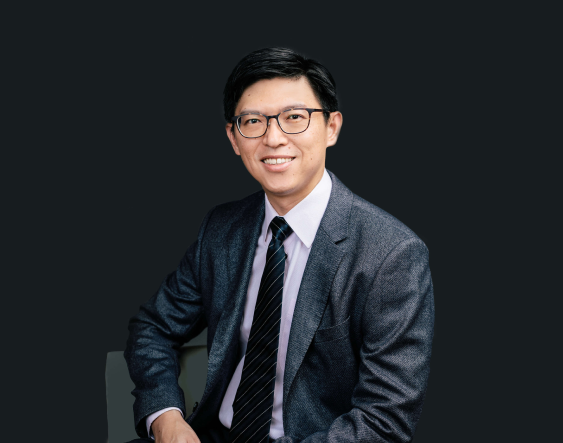
DR. ONG KEE LEONG
Rotator Cuff Arthropathy
Rotator cuff arthropathy can significantly affect day to day activities due to restricted range of motion and pain. Prior to recommending any treatment, Dr. Ong will carefully evaluate your condition and perform all necessary tests.
Book AppointmentWhat Is the Rotator Cuff?
The rotator cuff is a group of muscles and tendons surrounding your shoulder joint, securing the upper arm bone to the shallow socket of the shoulder blade. This provides stability and mobility to your shoulders.
Symptoms of an RCA
The common symptoms of an RCA include:
- Sharp pain when you move or rotate your arm
- Decreased range of motion
- Shoulder and arm weakness
- Swelling around the shoulder
- Tenderness in the shoulder or arm

What is a Rotator Cuff Arthropathy (RCA)?
A rotator cuff arthropathy (RCA) is a degenerative condition where shoulder arthritis develops on top of an untreated rotator cuff tear. The untreated rotator cuff may tear further, significantly destabilising the shoulder. A torn rotator cuff can arise from an injury or natural weakening due to ageing.
How Is an RCA Diagnosed?
A physical examination is conducted to test your shoulder and arm’s range of motion and detect any pain, swelling or stiffness.
Imaging tools such as x-rays can show signs of arthritis and rotator cuff damage. Abnormal positioning of the joints and bones can also signal a rotator cuff tear. However, your shoulder specialist may further perform ultrasound or MRI scans to have a clearer view of your rotator cuff if the x-ray results are insufficient to determine the cause of RCA.
How Can an RCA Be Treated?
Similar to other types of shoulder injuries, RCA can be treated via non-surgical and surgical methods.
Non-Surgical Treatment
Non-surgical treatment is used to alleviate pain and increase shoulder mobility.
Common methods include:
- Physiotherapy. Gentle stretching and strengthening exercises (as recommended by a specialist)
- Apply ice, then heat. Applying a cold compress on your affected shoulder can reduce inflammation and swelling. When the swelling has improved, a hot pack can be applied to the same area for about 20 minutes to relax sore muscles and promote blood flow.
- Anti-inflammatory medications. Aspirin, ibuprofen or steroids can relieve pain temporarily.
Surgical Treatment
Surgical methods are generally recommended when non-surgical remedies are insufficient in reducing pain and improving shoulder mobility.
The surgical removal of inflamed tissues and bone spurs may be performed to reduce pain. However, this may not necessarily improve the mobility and function of the shoulder.
As such, shoulder replacement surgeries are usually done for RCA patients. A traditional shoulder replacement surgery uses a standard shoulder implant for treatment. However, it is only partially effective as the artificial shoulder still requires a properly functioning rotator cuff to work correctly. Hence, the shoulder joints may still be misaligned, resulting in the socket portion of the implant wearing out easily.
Instead, a reverse shoulder replacement surgery is becoming a more popular option as it uses a special type of implant that mimics the function of a rotator cuff by placing a ball within the shoulder socket to form a new socket at the humerus. Hence, a properly functioning rotator cuff is unnecessary for this type of implant and can last longer without loosening.
Why Do Patients Choose Dr Ong Kee Leong?
- Dr. Ong Is Passionate In Sports, Giving Him A Deep Understanding Of Sports-Related Injuries And How They Can Be Treated
- Personalised And Professional Approach To Deliver High-Quality Orthopaedic Care Based On The Most Up-To-Date Literature
- Detailed Aftercare Plan To Ensure Smooth, Long-Term Recovery
- Fellowship Trained Surgeon With 15 Years Of Experience In Orthopaedic Conditions
- Problem-Oriented, Well-Organised and Individualized Treatment Plans Catered To Your Specific Needs
- Specialist In The Management Of Sports Injuries And Degenerative Conditions Of The Shoulder And Knee Joints
- Knowledgeable And Pleasant Clinical Staff To Assist You With Your Every Need Detailed Aftercare Plan To Ensure
- Our Care Is Conveniently Accessible At Mount Elizabeth Novena and Farrer Park Hospital
- Minimal Waiting Time For Initial Consultation
- Assistance With Medical Claims (e.g. Medisave & Integrated Shield Plans)
“At our clinic, we generally try to explore non-surgical treatment such as activities modification, physiotherapy and orthotics before recommending invasive intervention options.”
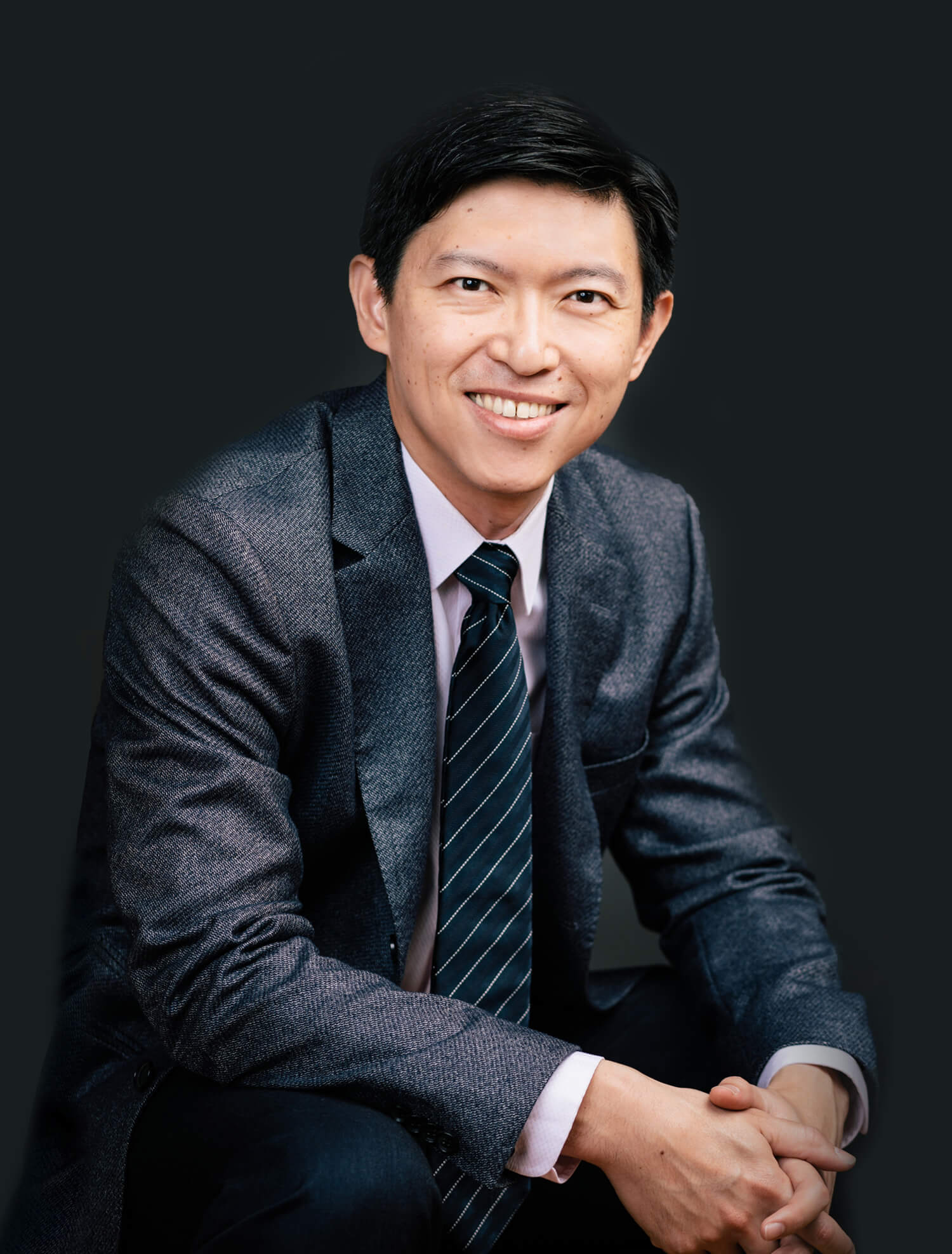
About Dr. Ong Kee Leong
Senior Consultant, MBBS (Singapore), MMed (Ortho), FRCSEd (Ortho)
Dr Ong Kee Leong is a senior consultant orthopaedic surgeon with subspecialty training in shoulder, knee, and arthroscopic sports surgery.
- Completed a fellowship in Germany, gaining focused, hands-on exposure to complex joint conditions beyond the scope of general orthopaedic practice.
- Served as Director of Sports Service at Changi General Hospital, managing a wide range of sports-related injuries in both recreational athletes and national-level competitors before entering private practice.
- Subspecialty focus on shoulder and knee conditions, including arthroscopic (keyhole) surgery.
Hospital & Clinic Affiliations
Dr Ong practises at a clinic in Singapore with access to accredited hospital facilities for surgical procedures. Patients have access to diagnostic imaging (X-ray, MRI, and ultrasound), day surgery facilities for arthroscopic procedures, and structured rehabilitation services.
Please contact the clinic directly for the current practice address, nearest MRT station, and details of affiliated surgical facilities.
Patient Care Philosophy
Dr Ong’s clinical approach is grounded in a single principle: exercise and sports are highly beneficial for long-term health. This reflects a genuine belief that physical activity is central to long-term health, and that the goal of orthopaedic care is to return you to the activities that matter to you, not simply to resolve your imaging findings.
In practice, this means prioritising joint preservation wherever possible. Rather than moving quickly to joint replacement or highly invasive procedures, the focus is on treatments that protect and restore the body’s natural structures.
Every plan is shaped by what you want to do with your body, whether that is returning to competitive sport, running at weekends, or simply walking without pain.
Beyond acute treatment, Dr Ong incorporates injury prevention and load management guidance into his consultations. Understanding why an injury occurred, and how to modify training to reduce the risk of recurrence, is part of the long-term care approach.
Have an enquiry about your condition or a certain treatment?
Fill up the form and we will get back to you soon!
Make An Enquiry

Prefer to talk? Call our clinic directly to make an enquiry at (65) 6884 6788
(Please ask for Dr Ong Kee Leong)

our clinics
Visit Us Today
Mt Elizabeth Novena
- 38 Irrawaddy Road #06-59/60/61 Mt Elizabeth Novena Specialist Centre Singapore 329563
- klong@sog.sg
- (65) 6884 6788
- (Ask for Dr Ong)
- (65) 9652 5022
-
Mon – Fri : 9:00 am – 5:00 pm
Sat : 9:00 am – 1:00 pm
other practice locations
Farrer Park Hospital
- 1 Farrer Park Station Road #14-06 Connexion Singapore 217562
- klong@sog.sg
- (65) 6884 6788
- (Ask for Dr Ong)
- (65) 9652 5022
-
Mon – Fri : 9:00 am – 5:00 pm
Sat : 9:00 am – 1:00 pm
Mt Alvernia Medical Centre
- 820 Thomson Road #07-53 Mt Alvernia Medical Centre D Singapore 574623
- klong@sog.sg
- (65) 6884 6788
- (Ask for Dr Ong)
- (65) 9652 5022
-
Mon – Fri : 9:00 am – 5:00 pm
Sat : 9:00 am – 1:00 pm
Billing & Payment
Consultation fees are charged based on length of consultation, and start from SGD$200 (within 30 minutes).
Modes of Payment
We accept the following modes of payment:
- Cash
- PayNow & PayLah
- All major Credit Cards
If you are insured and would like to use a Letter of Guarantee (LOG) from the major insurers in Singapore, please contact us and our friendly clinic staff will assist you and provide more information if required.
Can I Claim Through My Medisave Account? (For Singaporeans and PR)
Yes, you can. Our Clinic is an accredited day surgery clinic by the Ministry of Health. Singaporeans and Permanent Residents may use their Medisave for eligible orthopaedic inpatient procedures and hospitalizations.
The exact amount would depend on the complexity of the procedure. If you have any enquiries, feel free to speak to our friendly clinic staff about using your Medisave account.
Integrated Shield Plans (Singaporeans and PRs)


Yes, patients who have purchased Integrated Shield plans with riders for co-insurance and deductibles will be able to use them in our clinic for eligible procedures. For more information, contact us to find out if your procedure is claimable.
The 5 Approved Integrated Shield Insurers are:
- NTUC Income’s IncomeShield and Enhanced IncomeShield
- American International Assurance International Co’s (AIA) HealthShield Gold
- Great Eastern Life Assurance Co’s SupremeHealth and SupremeHealth Plus
- Prudential Assurance Co’s PRUShield
- AXA Shield