










Prevention includes strengthening the rotator cuff and scapular muscles, stretching tight anterior shoulder structures, and avoiding poor posture. Taking breaks during repetitive tasks, adjusting workstation ergonomics, and addressing early signs of discomfort can help prevent chronic impingement.
Call Us +65 6884 6788
(Ask for Dr Ong)
DR. ONG KEE LEONG
Shoulder Impingement Singapore
Shoulder impingement occurs when the tendons of the rotator cuff become compressed between the shoulder bones during arm movements. This compression happens in the narrow space beneath the acromion (the bony projection of the shoulder blade) when you lift your arm. The condition causes pain and limits shoulder movement, making everyday activities like reaching overhead, getting dressed, or sleeping on the affected side difficult. If left untreated, shoulder impingement may lead to tendon inflammation, progressive weakness, and in some cases, rotator cuff tears.
Book AppointmentSymptoms of Shoulder Impingement
The symptoms of shoulder impingement typically develop gradually and worsen with specific arm movements.
- Pain when reaching overhead (e.g. washing hair or reaching shelves), typically between 60°–120° of elevation
- Night pain when lying on the affected side, disrupting sleep
- Weakness in the arm when lifting or performing overhead motions, often due to pain inhibition
- Clicking or catching sensations due to inflamed tissues moving in a narrowed space
- Restricted movement, especially when reaching behind the back
- Pain that may radiate down the outer upper arm but rarely past the elbow

Causes and Risk Factors of Shoulder Impingement
Shoulder impingement develops when the space between the shoulder bones narrows, leading to compression of the soft tissues.
- Frequent overhead activity in work or sport (e.g. tennis, painting, swimming)
- Rounded shoulders or forward head posture reducing subacromial space
- Bony changes such as acromial spurs, more common after age 40
- Imbalance or weakness in shoulder and scapular stabilising muscles
- Prior injury causing altered shoulder mechanics or scar tissue
- Hooked or curved acromion anatomy that narrows space around tendons
Frequently Asked Questions
Can shoulder impingement heal without surgery?
Yes, most cases improve with physiotherapy and conservative treatment. Studies show that 60-90% of patients experience significant improvement without needing surgery.
How long does recovery from shoulder impingement take?
With consistent physiotherapy, most people see improvement within 6-12 weeks. Complete recovery may take 3-6 months depending on severity and adherence to treatment.
Can I continue exercising with shoulder impingement?
You can maintain fitness with modified activities that don’t aggravate your shoulder. Swimming with a kickboard, lower body exercises, and low-impact cardio are usually possible while recovering.
Will shoulder impingement come back after treatment?
Recurrence is possible if you return to the same activities without addressing underlying muscle imbalances. Continuing maintenance exercises and proper technique reduces the risk of symptoms returning.
Medisave & Insurance Shield Plan Approved
For Singaporeans & Singapore Permanent Residents
Types of Shoulder Impingement
Shoulder impingement can be classified based on the underlying cause and location of compression.
Primary (Structural) Impingement
This type results from anatomical abnormalities in the shoulder bones, such as a hooked acromion or bone spurs.
Secondary (Functional) Impingement
This occurs due to shoulder instability or muscle imbalances rather than bone abnormalities.
Why Do Patients Choose Dr Ong Kee Leong?
- Dr. Ong Is Passionate In Sports, Giving Him A Deep Understanding Of Sports-Related Injuries And How They Can Be Treated
- Personalised And Professional Approach To Deliver High-Quality Orthopaedic Care Based On The Most Up-To-Date Literature
- Detailed Aftercare Plan To Ensure Smooth, Long-Term Recovery
- Fellowship Trained Surgeon With 15 Years Of Experience In Orthopaedic Conditions
- Problem-Oriented, Well-Organised and Individualized Treatment Plans Catered To Your Specific Needs
- Specialist In The Management Of Sports Injuries And Degenerative Conditions Of The Shoulder And Knee Joints
- Knowledgeable And Pleasant Clinical Staff To Assist You With Your Every Need Detailed Aftercare Plan To Ensure
- Our Care Is Conveniently Accessible At Mount Elizabeth Novena and Farrer Park Hospital
- Minimal Waiting Time For Initial Consultation
- Assistance With Medical Claims (e.g. Medisave & Integrated Shield Plans)
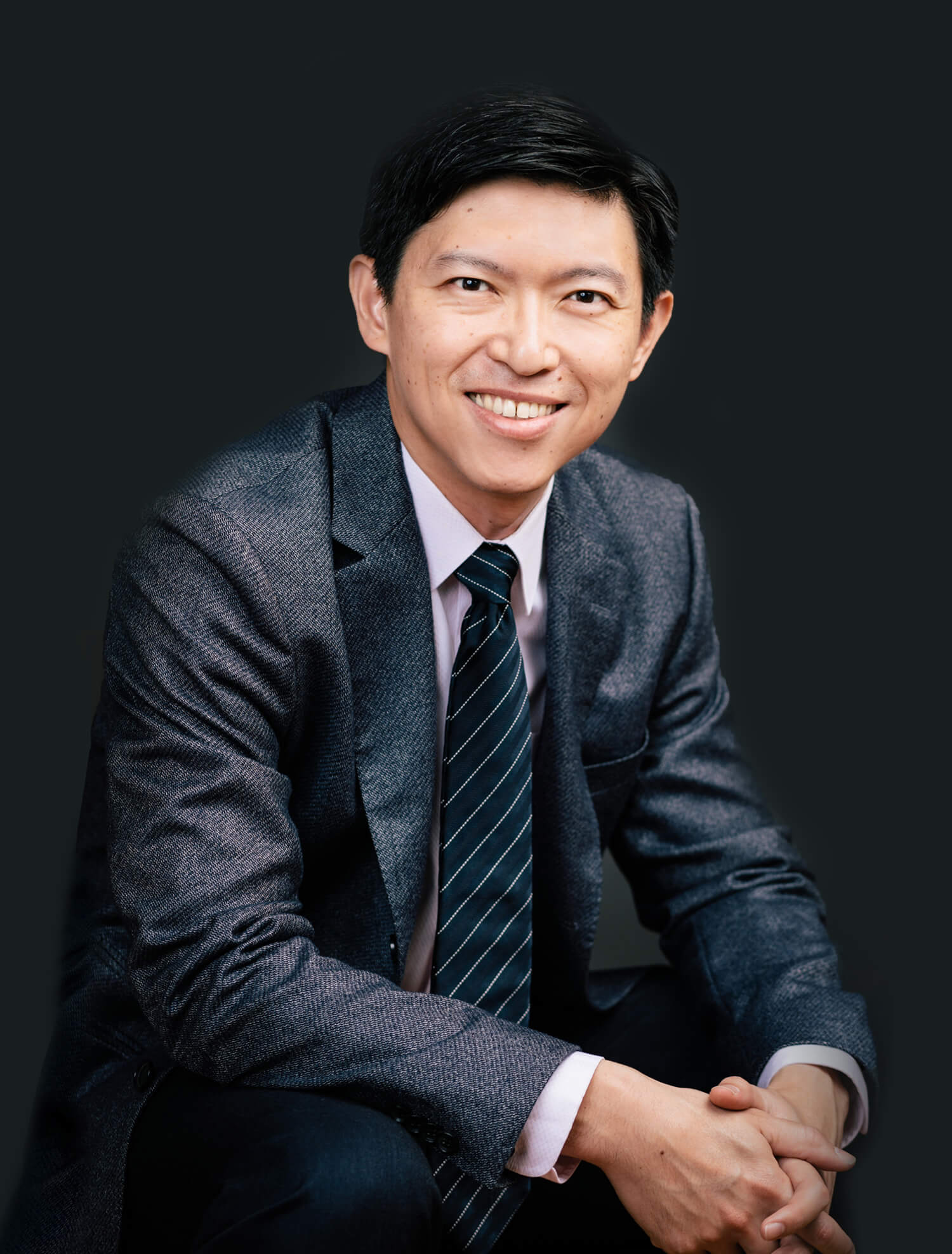
About Dr. Ong Kee Leong
Senior Consultant, MBBS (Singapore), MMed (Ortho), FRCSEd (Ortho)
Dr Ong Kee Leong is a senior consultant orthopaedic surgeon with subspecialty training in shoulder, knee, and arthroscopic sports surgery.
- Completed a fellowship in Germany, gaining focused, hands-on exposure to complex joint conditions beyond the scope of general orthopaedic practice.
- Served as Director of Sports Service at Changi General Hospital, managing a wide range of sports-related injuries in both recreational athletes and national-level competitors before entering private practice.
- Subspecialty focus on shoulder and knee conditions, including arthroscopic (keyhole) surgery.
Hospital & Clinic Affiliations
Dr Ong practises at a clinic in Singapore with access to accredited hospital facilities for surgical procedures. Patients have access to diagnostic imaging (X-ray, MRI, and ultrasound), day surgery facilities for arthroscopic procedures, and structured rehabilitation services.
Please contact the clinic directly for the current practice address, nearest MRT station, and details of affiliated surgical facilities.
Patient Care Philosophy
Dr Ong’s clinical approach is grounded in a single principle: exercise and sports are highly beneficial for long-term health. This reflects a genuine belief that physical activity is central to long-term health, and that the goal of orthopaedic care is to return you to the activities that matter to you, not simply to resolve your imaging findings.
In practice, this means prioritising joint preservation wherever possible. Rather than moving quickly to joint replacement or highly invasive procedures, the focus is on treatments that protect and restore the body’s natural structures.
Every plan is shaped by what you want to do with your body, whether that is returning to competitive sport, running at weekends, or simply walking without pain.
Beyond acute treatment, Dr Ong incorporates injury prevention and load management guidance into his consultations. Understanding why an injury occurred, and how to modify training to reduce the risk of recurrence, is part of the long-term care approach.
Treatment Options for Shoulder Impingement in Singapore
Most cases respond well to conservative treatment. Surgery is considered when conservative treatment fails to improve symptoms after 3-6 months, or when there’s evidence of significant structural damage.
Non-Surgical Treatment
- Physiotherapy: Supervised physiotherapy to correct shoulder mechanics and strengthen key muscles
- Activity modification: Temporary avoidance of overhead movements; ergonomic adjustments recommended.
- Anti-inflammatory medication: Oral medications like ibuprofen or naproxen help reduce pain and inflammation.
- Corticosteroid injections: Injections into the subacromial space can provide significant pain relief and reduce inflammation. These injections are often used to provide temporary relief, allowing patients to participate more effectively in physiotherapy.
- Manual therapy: Hands-on treatment techniques including joint mobilisation, soft tissue massage, and stretching of the shoulder capsule may help restore normal joint movement and muscle flexibility.
Surgical Treatment
- Arthroscopic subacromial decompression: This minimally invasive procedure removes bone spurs and inflamed bursal tissue through small incisions. The surgeon shaves away part of the acromion to create more space for the tendons.
- Rotator cuff repair: If impingement has led to a rotator cuff tear, surgical repair may be necessary. The torn tendon is reattached to the bone using special anchors and sutures.
- Acromioplasty: This procedure reshapes the underside of the acromion to eliminate mechanical compression. It’s often performed alongside other procedures to address the structural cause of impingement.
- Biceps tenodesis or tenotomy: A tenotomy involves cutting the tendon to release tension, while a tenodesis involves cutting the tendon and reattaching it to a new location on the bone. Your surgeon will decide which is best based on your age and activity level.
Have an enquiry about your condition or a certain treatment?
Fill up the form and we will get back to you soon!
Make An Enquiry

Prefer to talk? Call our clinic directly to make an enquiry at (65) 6884 6788
(Please ask for Dr Ong Kee Leong)
our clinics
Visit Us Today
Mt Elizabeth Novena
- 38 Irrawaddy Road #06-59/60/61 Mt Elizabeth Novena Specialist Centre Singapore 329563
- klong@sog.sg
- (65) 6884 6788
- (Ask for Dr Ong)
- (65) 9652 5022
-
Mon – Fri : 9:00 am – 5:00 pm
Sat : 9:00 am – 1:00 pm
other practice locations
Farrer Park Hospital
- 1 Farrer Park Station Road #14-06 Connexion Singapore 217562
- klong@sog.sg
- (65) 6884 6788
- (Ask for Dr Ong)
- (65) 9652 5022
-
Mon – Fri : 9:00 am – 5:00 pm
Sat : 9:00 am – 1:00 pm
Mt Alvernia Medical Centre
- 820 Thomson Road #07-53 Mt Alvernia Medical Centre D Singapore 574623
- klong@sog.sg
- (65) 6884 6788
- (Ask for Dr Ong)
- (65) 9652 5022
-
Mon – Fri : 9:00 am – 5:00 pm
Sat : 9:00 am – 1:00 pm
"Moving your body the way nature intended is a freedom not well appreciated until it is lost. We are passionate about getting you back in the game, and staying in the game. Our team is fully committed to returning you to the life and activities you love."
Dr. Ong Kee Leong
Prevention and Management
When to See an Orthopaedic Specialist
Consult a qualified orthopaedic surgeon in Singapore if you experience persistent shoulder pain, night pain, or difficulty with overhead movements lasting more than a few weeks. Early assessment can prevent worsening and identify any underlying tendon injury requiring treatment.
Diagnostic Methods
Physical examination
Your doctor will assess shoulder movement, strength, and specific impingement tests such as the Neer and Hawkins tests.
X-rays
Plain radiographs show the bone structure and can reveal bone spurs, arthritis, or anatomical variations in the acromion. X-rays help identify structural causes of impingement.
Ultrasound scan
This dynamic imaging allows real-time visualisation of the rotator cuff tendons during shoulder movement. Ultrasound can show tendon thickening, fluid accumulation, and impingement during arm elevation.
MRI scan
Magnetic resonance imaging provides detailed images of both bones and soft tissues. It can identify rotator cuff tears, tendon inflammation, and bursal fluid that may not be visible on other imaging.
Diagnostic injection
A local anaesthetic injection into the subacromial space can help confirm the diagnosis. Temporary pain relief following the injection suggests that impingement is the primary source of symptoms.
Related Articles
Shoulder
A Complete Guide To Frozen Shoulder
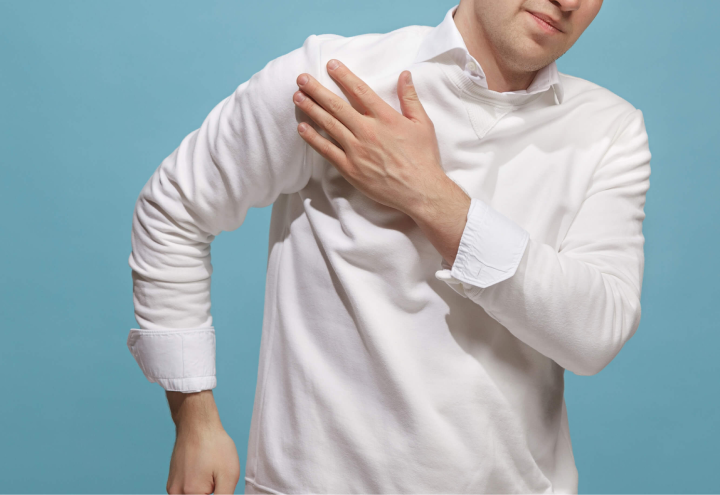
Frozen Shoulder, medically referred to as Adhesive Capsulitis (AC), is a painful condition that affects 2-5% of the general population. Women are particularly more at risk, along with diabetics and people in the 40 – 65 year age group. It is generally not a life-threatening condition but it can cause significant disturbance to a patient’s […]
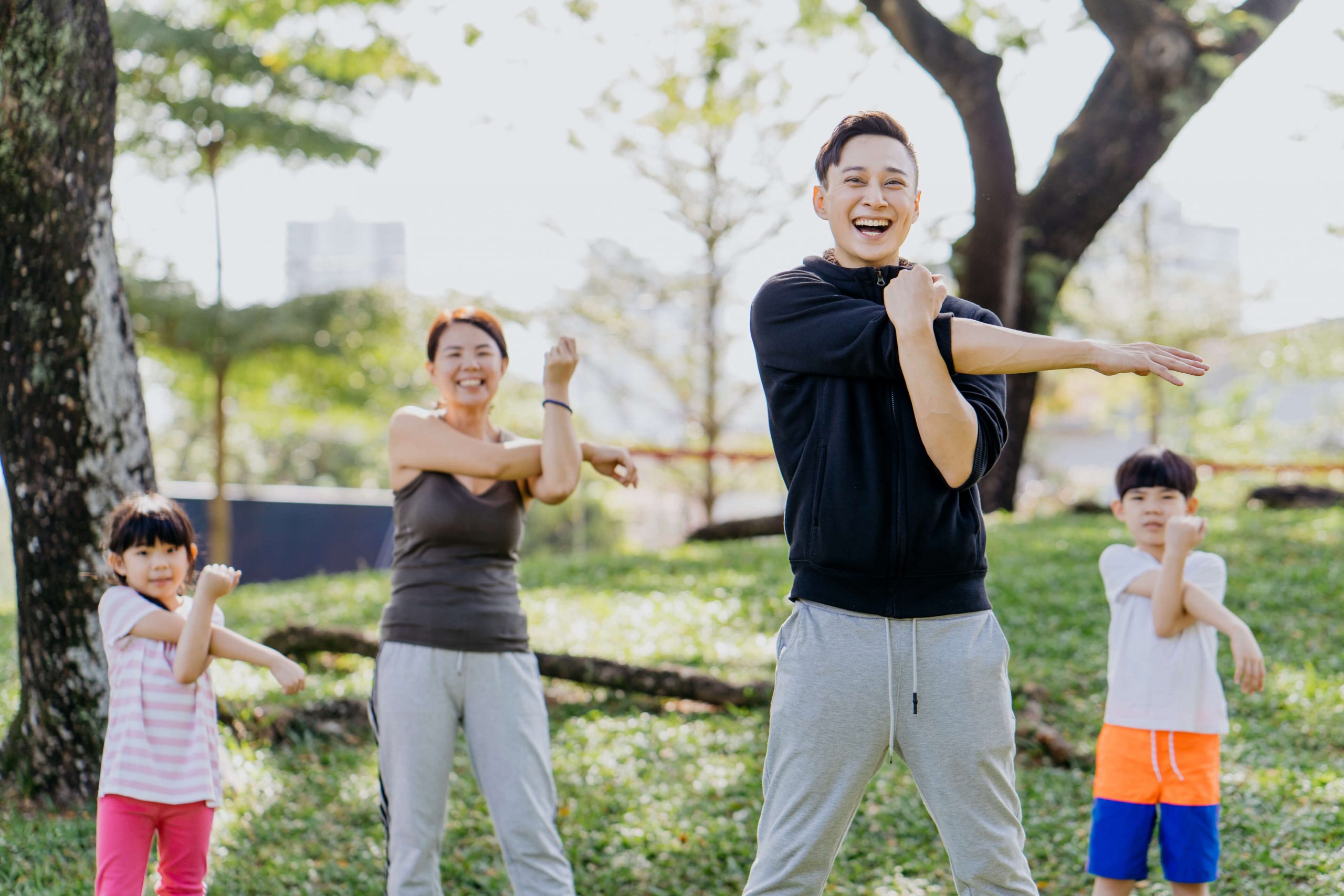
Best Ways To Safely And Effectively Improve Shoulder Mobility The shoulder is one of the most important joints in our body, thanks to its unique and complex anatomy structure. With its extensive range of motion, the shoulder joint is also the most mobile joint in the entire body. However, despite possessing the amazing gift of […]

Shoulder
Rotator Cuff Injury
What is a rotator cuff injury? The rotator cuff is a group of muscles and tendons that surround the shoulder joint, keeping the head of your upper arm bone firmly within the shallow socket of the shoulder. A rotator cuff injury can result in a painful shoulder which may even disturb sleep. Who may get […]