










- Physical examination: Assessment of the knee’s position, stability, and range of motion, along with checking for pulse and sensation in the lower leg.
- X-rays: Plain radiographs taken from multiple angles to confirm the dislocation and identify any associated fractures of the knee bones.
- MRI scanning: Magnetic resonance imaging to assess the extent of ligament, cartilage, and soft tissue damage around the knee joint.
- CT scanning: Computed tomography may be used to provide detailed images of bone structures and identify complex fracture patterns.
- Vascular assessment: Specialised tests to check blood flow to the lower leg, as knee dislocations can compromise blood vessels.
Call Us +65 6884 6788
(Ask for Dr Ong)
DR. ONG KEE LEONG
Knee Dislocation Singapore
Knee dislocation is a rare but severe orthopaedic emergency that can cause significant disruption to joint stability and surrounding soft tissue structures. Unlike minor sprains or ligament injuries, this condition requires urgent medical attention from a knee specialist. Understanding the potential causes, symptoms, and treatment pathways is essential for timely intervention and long-term joint preservation.
Book AppointmentWhat is Knee Dislocation?
A knee dislocation occurs when the bones of the knee joint are forcibly displaced from their normal alignment. This typically involves separation between the thighbone (femur) and shinbone (tibia). It is a serious orthopaedic injury that usually results from high-impact trauma such as motor vehicle accidents, sports collisions, or falls from a height. Immediate medical treatment is essential, as a knee dislocation can affect surrounding blood vessels and nerves.
Knee Dislocation Treatment in Singapore
Non-Surgical Treatment
Non-surgical approaches may be considered for certain knee dislocations, particularly after the joint has been properly repositioned:
- Immediate reduction: The knee joint is carefully manipulated back into its correct position, typically performed under sedation or anaesthesia.
- Immobilisation: The knee is placed in a brace or cast to maintain proper alignment whilst initial healing occurs over several weeks.
- Physiotherapy: A structured rehabilitation programme to restore knee movement, strength, and stability once the initial healing phase is complete.
Surgical Treatment
Surgical intervention is often required for knee dislocations due to the extent of ligament and structural damage:
- Ligament reconstruction: Surgical repair or reconstruction of torn knee ligaments using tissue grafts to restore stability to the joint.
- Arthroscopic surgery: Minimally invasive keyhole surgery to address cartilage damage, remove loose fragments, and assess internal joint structures.
- Open surgical repair: Direct surgical approach to repair severely damaged ligaments, joint capsule, and other structures that cannot be addressed arthroscopically.
- External fixation: Temporary placement of external metal frames to maintain knee alignment whilst severe soft tissue injuries begin to heal.
Medisave & Insurance Shield Plan Approved
For Singaporeans & Singapore Permanent Residents
Types of Knee Dislocation
Different types of knee dislocation are classified based on the direction of displacement:
Anterior dislocation
The shinbone moves forward relative to the thighbone, often caused by dashboard injuries or direct impact to the front of the knee.
Posterior dislocation
The shinbone moves backward, typically resulting from falls onto a bent knee or direct force to the front of the lower leg.
Lateral or medial dislocation
The bones move sideways, which is less common and usually involves significant ligament damage on multiple sides of the knee.
Rotatory dislocation
The bones twist relative to each other, often combined with other displacement directions and representing more complex injury patterns.
Why Do Patients Choose Dr Ong Kee Leong?
- Dr. Ong Is Passionate In Sports, Giving Him A Deep Understanding Of Sports-Related Injuries And How They Can Be Treated
- Personalised And Professional Approach To Deliver High-Quality Orthopaedic Care Based On The Most Up-To-Date Literature
- Detailed Aftercare Plan To Ensure Smooth, Long-Term Recovery
- Fellowship Trained Surgeon With 15 Years Of Experience In Orthopaedic Conditions
- Problem-Oriented, Well-Organised and Individualized Treatment Plans Catered To Your Specific Needs
- Specialist In The Management Of Sports Injuries And Degenerative Conditions Of The Shoulder And Knee Joints
- Knowledgeable And Pleasant Clinical Staff To Assist You With Your Every Need Detailed Aftercare Plan To Ensure
- Our Care Is Conveniently Accessible At Mount Elizabeth Novena and Farrer Park Hospital
- Minimal Waiting Time For Initial Consultation
- Assistance With Medical Claims (e.g. Medisave & Integrated Shield Plans)


About Dr. Ong Kee Leong
Senior Consultant, MBBS (Singapore), MMed (Ortho), FRCSEd (Ortho)
Dr Ong Kee Leong is a senior consultant orthopaedic surgeon with subspecialty training in shoulder, knee, and arthroscopic sports surgery.
- Completed a fellowship in Germany, gaining focused, hands-on exposure to complex joint conditions beyond the scope of general orthopaedic practice.
- Served as Director of Sports Service at Changi General Hospital, managing a wide range of sports-related injuries in both recreational athletes and national-level competitors before entering private practice.
- Subspecialty focus on shoulder and knee conditions, including arthroscopic (keyhole) surgery.
Hospital & Clinic Affiliations
Dr Ong practises at a clinic in Singapore with access to accredited hospital facilities for surgical procedures. Patients have access to diagnostic imaging (X-ray, MRI, and ultrasound), day surgery facilities for arthroscopic procedures, and structured rehabilitation services.
Please contact the clinic directly for the current practice address, nearest MRT station, and details of affiliated surgical facilities.
Patient Care Philosophy
Dr Ong’s clinical approach is grounded in a single principle: exercise and sports are highly beneficial for long-term health. This reflects a genuine belief that physical activity is central to long-term health, and that the goal of orthopaedic care is to return you to the activities that matter to you, not simply to resolve your imaging findings.
In practice, this means prioritising joint preservation wherever possible. Rather than moving quickly to joint replacement or highly invasive procedures, the focus is on treatments that protect and restore the body’s natural structures.
Every plan is shaped by what you want to do with your body, whether that is returning to competitive sport, running at weekends, or simply walking without pain.
Beyond acute treatment, Dr Ong incorporates injury prevention and load management guidance into his consultations. Understanding why an injury occurred, and how to modify training to reduce the risk of recurrence, is part of the long-term care approach.
Frequently Asked Questions (FAQs)
How long does recovery take after a knee dislocation?
Recovery time varies significantly depending on the extent of damage and treatment method, but typically ranges from 6 months to over a year for complete rehabilitation. Surgical cases generally require longer recovery periods than those treated non-surgically.
Will I develop arthritis after a knee dislocation?
Knee dislocations carry a higher risk of developing post-traumatic arthritis in the future due to cartilage damage that occurs during the injury. Regular follow-up appointments help monitor for early signs of joint degeneration.
Can a dislocated knee relocate itself spontaneously?
Some knee dislocations may spontaneously reduce (move back into position) before medical treatment, but this does not mean the injury is less serious. Significant ligament damage typically remains even if the bones appear properly aligned.
What are the warning signs of complications after knee dislocation treatment in Singapore?
Warning signs include increasing pain, numbness or tingling in the foot, colour changes in the lower leg, or inability to move the ankle or toes. These symptoms require immediate medical evaluation as they may indicate blood vessel or nerve complications.
Have an enquiry about your condition or a certain treatment?
Fill up the form and we will get back to you soon!
Make An Enquiry

Prefer to talk? Call our clinic directly to make an enquiry at (65) 6884 6788
(Please ask for Dr Ong Kee Leong)
our clinics
Visit Us Today
Mt Elizabeth Novena
- 38 Irrawaddy Road #06-59/60/61 Mt Elizabeth Novena Specialist Centre Singapore 329563
- klong@sog.sg
- (65) 6884 6788
- (Ask for Dr Ong)
- (65) 9652 5022
-
Mon – Fri : 9:00 am – 5:00 pm
Sat : 9:00 am – 1:00 pm
other practice locations
Farrer Park Hospital
- 1 Farrer Park Station Road #14-06 Connexion Singapore 217562
- klong@sog.sg
- (65) 6884 6788
- (Ask for Dr Ong)
- (65) 9652 5022
-
Mon – Fri : 9:00 am – 5:00 pm
Sat : 9:00 am – 1:00 pm
Mt Alvernia Medical Centre
- 820 Thomson Road #07-53 Mt Alvernia Medical Centre D Singapore 574623
- klong@sog.sg
- (65) 6884 6788
- (Ask for Dr Ong)
- (65) 9652 5022
-
Mon – Fri : 9:00 am – 5:00 pm
Sat : 9:00 am – 1:00 pm
"Moving your body the way nature intended is a freedom not well appreciated until it is lost. We are passionate about getting you back in the game, and staying in the game. Our team is fully committed to returning you to the life and activities you love."
Dr. Ong Kee Leong
Diagnostic Methods
When to See an Orthopaedic Surgeon in Singapore
Knee dislocations require immediate medical attention due to the risk of nerve and vascular injury. Anyone experiencing sudden knee deformity, severe pain, or difficulty moving the leg after trauma should consult an orthopaedic surgeon without delay. An orthopaedic surgeon in Singapore can provide comprehensive treatment tailored to your specific injury and lifestyle goals.
Causes and Risk Factors of Knee Dislocation
Several factors can lead to knee dislocation:
High-energy trauma
Motor vehicle accidents, particularly dashboard injuries where the knee strikes the dashboard with significant force. These account for the majority of knee dislocations.
Sports injuries
Contact sports such as rugby, football, or skiing can cause knee dislocations through direct impact or awkward landings.
Falls from height
Falling from a significant height and landing on the legs can generate enough force to dislocate the knee joint.
Previous knee injuries
Individuals with prior knee ligament damage or instability may have an increased risk of dislocation during physical activities.
Hypermobility conditions
Some people with naturally loose joints or connective tissue disorders may be more prone to joint dislocations.
Symptoms of Knee Dislocation
The following symptoms are commonly experienced with a knee dislocation:
-
Intense knee pain
Sharp, severe pain that develops immediately after the injury and may worsen with any attempt to move the leg.
-
Visible deformity
The knee may appear obviously out of shape or positioned abnormally compared to the uninjured leg.
-
Inability to bear weight
Complete inability to put weight on the affected leg or stand on it without extreme discomfort.
-
Swelling and bruising
Rapid swelling around the knee joint, often accompanied by bruising that may extend above and below the knee.
-
Numbness or tingling
Loss of sensation or pins and needles feeling in the lower leg or foot, particularly around the ankle and toes.
-
Coldness in the foot
The foot may feel cold to touch or appear pale compared to the uninjured side.

Related Articles

Running subjects the knee joints to repeated movements that may cause substantial strain over time. Patellofemoral pain syndrome—commonly known as runner’s knee—affects numerous athletes and fitness enthusiasts. This comprehensive guide examines the condition in depth, providing detailed information on its causes, symptoms, diagnosis, treatment options, and preventative techniques to help runners stay active while minimising […]
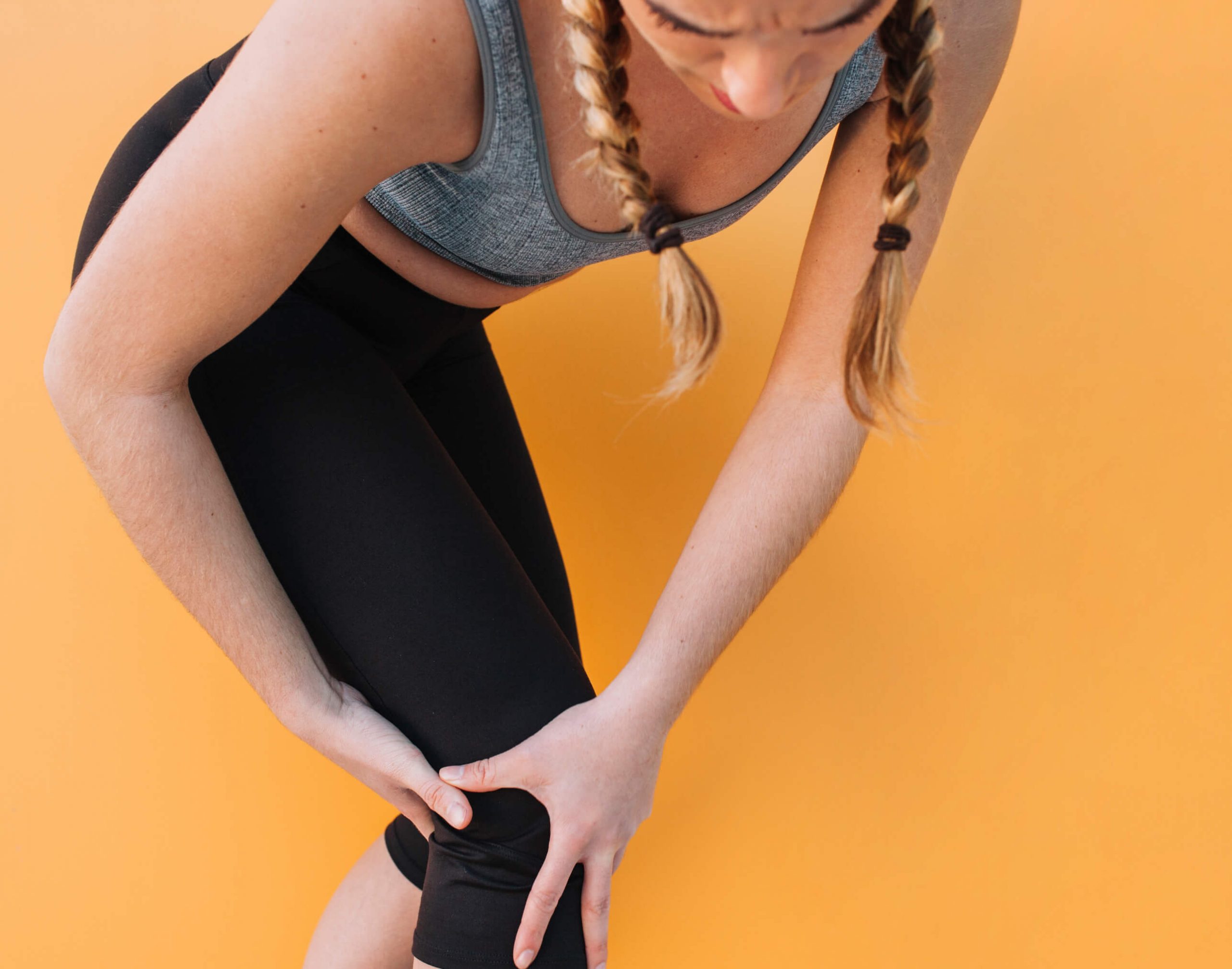
A Complete Guide To ACL Tears By An Orthopaedic Surgeon (2021) What does the ACL do? The ACL, which stands for Anterior Cruciate Ligament, is one of the most important ligaments in your knee. It is located in the middle of the knee, attaching the shinbone to the thigh bone. The primary function of the […]
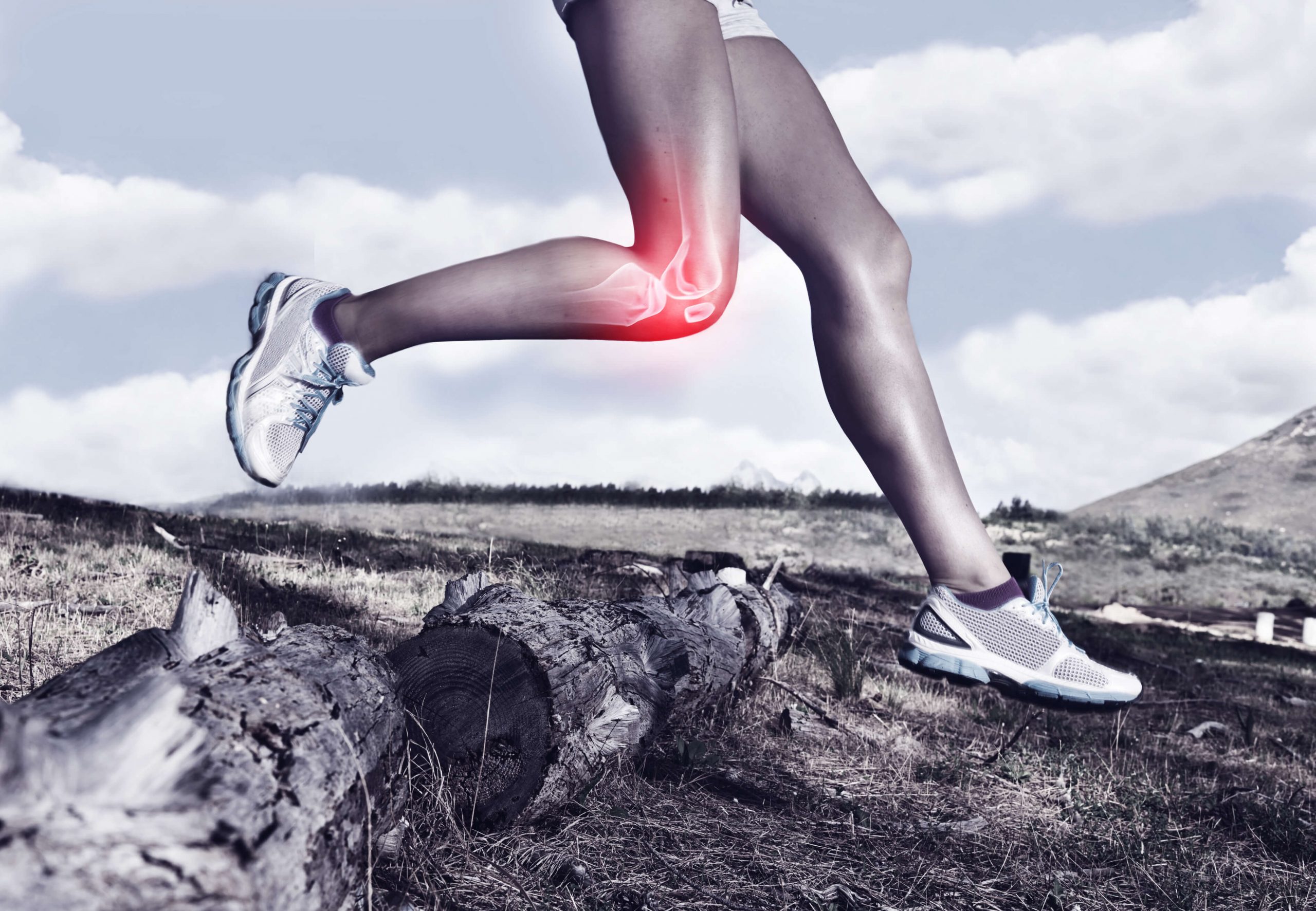
Here’s What You Need To Know Few injuries are as frustrating as knee injuries, especially when you’re left sidelined from your favourite sporting activities. Unfortunately, anyone can fall victim to knee injuries regardless of whether they are professional athletes or regular fitness enthusiasts. In fact, knee injuries can also arise from everyday activities or accidents. […]