









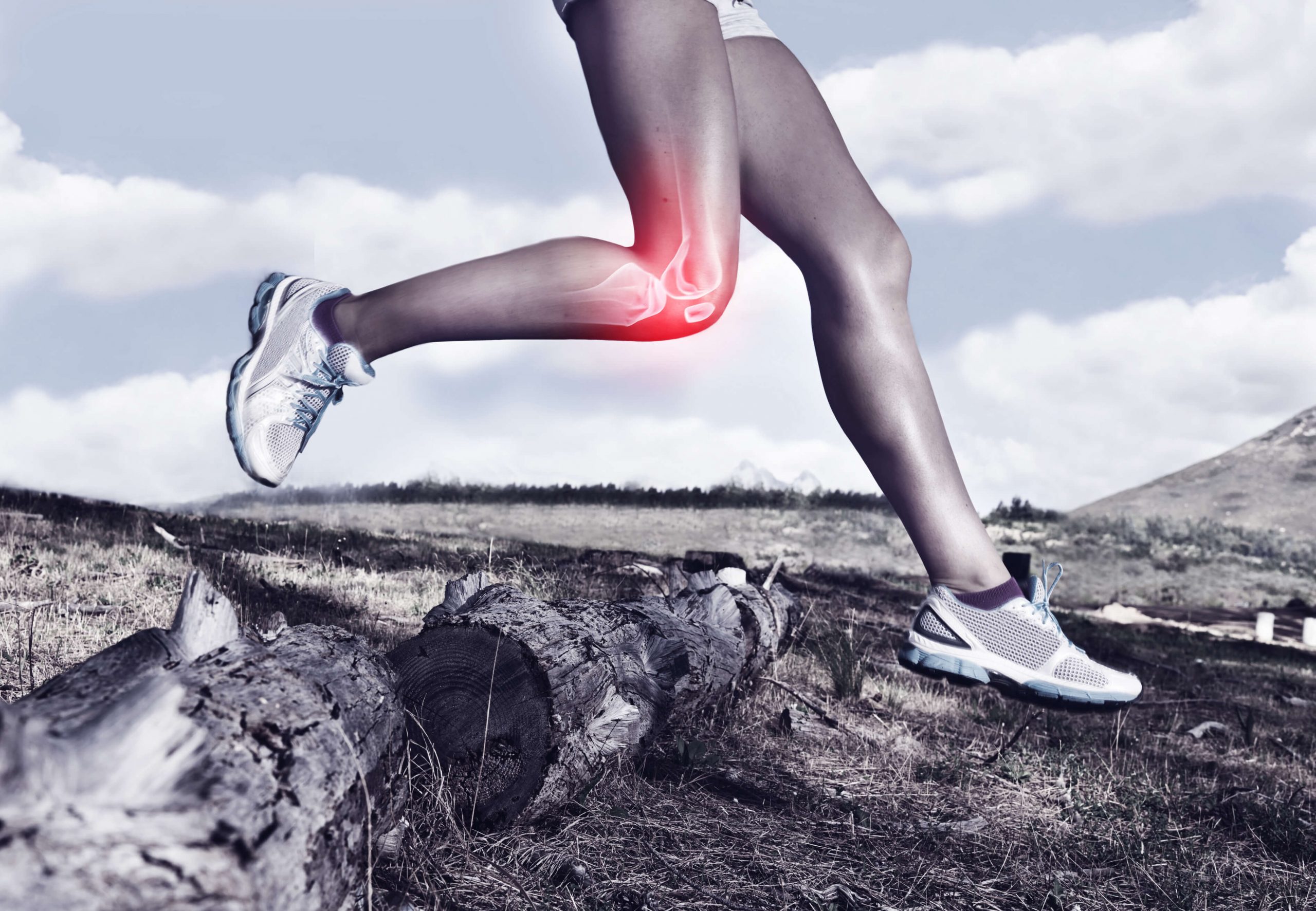
Maintaining strong leg muscles, managing body weight, and using proper technique during physical activities can reduce the risk of knee pain. Stretching, gradual progression in training, and appropriate footwear help prevent injuries. People with recurring issues should follow their treatment plan and consult a specialist if symptoms change.
DR. ONG KEE LEONG
Knee Pain Singapore
Knee pain is discomfort or soreness in and around the knee joint, which can range from mild aching to severe, debilitating pain. This common condition affects people of all ages and can significantly impact daily activities like walking, climbing stairs, or participating in sports. The knee, being one of the body’s largest and most complex joints, bears considerable weight and stress throughout daily life. Understanding the underlying cause of knee pain is the first step towards finding appropriate treatment and returning to normal activities.
Book AppointmentSymptoms of Knee Pain
Knee pain can manifest in various ways, and recognising these symptoms helps determine the appropriate course of action.
- Pain may occur in the front, back, sides, or deep within the joint, and may feel sharp, dull, burning, or throbbing.
- Swelling and stiffness are common, especially after periods of rest or activity.
- Clicking or popping may be present, with or without pain.
- A feeling of instability or the knee “giving way” may suggest ligament involvement.
- Difficulty fully bending or straightening the knee can limit functional movement.
- Warmth and redness over the joint may indicate inflammation or infection.

Causes and Risk Factors of Knee Pain
Understanding what contributes to knee pain helps in both treatment and prevention of future problems.
- Osteoarthritis from cartilage wear is common in adults over 50.
- Previous injuries can predispose the knee to chronic instability or degeneration.
- Excess weight increases pressure on the joint and accelerates tissue breakdown.
- Repetitive stress from occupation or high-impact sports adds cumulative strain.
- Weak or imbalanced muscles, especially around the hips and thighs, alter joint mechanics.
- Structural issues like flat feet or knock knees shift load unevenly across the joint.
Frequently Asked Questions
Can knee pain go away on its own?
Minor knee pain from overuse often improves with rest and simple self-care measures. However, pain lasting more than a few weeks warrants medical evaluation to identify underlying issues.
At what point should I consider knee surgery?
Surgery is typically considered if pain persists after several months of conservative treatment and significantly affects daily life.
What happens during a knee injection?
The doctor cleans the injection site and inserts a thin needle into the joint space or affected tissue. Most patients describe the sensation as similar to a blood test, with relief often beginning within days.
Is it possible to prevent knee arthritis?
While genetic factors play a role, maintaining healthy weight and staying physically active significantly reduce arthritis risk. Protecting knees from injury through proper technique and equipment also helps preserve long-term joint health.
Medisave & Insurance Shield Plan Approved
For Singaporeans & Singapore Permanent Residents
Types of Knee Conditions
Knee pain can be categorised based on the underlying structures affected:
Acute Traumatic Injuries
These include ligament tears (ACL, MCL), meniscus tears, and fractures resulting from sudden impacts or twisting movements.
Degenerative Conditions
Osteoarthritis represents the most common form, where cartilage gradually wears away over time.
Inflammatory Conditions
Rheumatoid arthritis, gout, and pseudogout cause joint inflammation through different mechanisms. These conditions often affect multiple joints and may have systemic symptoms.
Overuse Syndromes
Conditions like patellofemoral pain syndrome, iliotibial band syndrome, and patellar tendinitis develop from repetitive stress. They’re common in runners and athletes but can affect anyone with increased activity levels.
Mechanical Problems
Loose bodies (fragments of bone or cartilage floating in the joint) or plica syndrome (irritated fold of joint lining) can cause catching or locking sensations.
Why Do Patients Choose Dr Ong Kee Leong?
- Dr. Ong Is Passionate In Sports, Giving Him A Deep Understanding Of Sports-Related Injuries And How They Can Be Treated
- Personalised And Professional Approach To Deliver High-Quality Orthopaedic Care Based On The Most Up-To-Date Literature
- Detailed Aftercare Plan To Ensure Smooth, Long-Term Recovery
- Fellowship Trained Surgeon With 15 Years Of Experience In Orthopaedic Conditions
- Problem-Oriented, Well-Organised and Individualized Treatment Plans Catered To Your Specific Needs
- Specialist In The Management Of Sports Injuries And Degenerative Conditions Of The Shoulder And Knee Joints
- Knowledgeable And Pleasant Clinical Staff To Assist You With Your Every Need Detailed Aftercare Plan To Ensure
- Our Care Is Conveniently Accessible At Mount Elizabeth Novena and Farrer Park Hospital
- Minimal Waiting Time For Initial Consultation
- Assistance With Medical Claims (e.g. Medisave & Integrated Shield Plans)
About Dr. Ong Kee Leong
Senior Consultant, MBBS (Singapore), MMed (Ortho), FRCSEd (Ortho)
Dr. Ong Kee Leong is a fellowship-trained orthopaedic surgeon. He subspecializes in shoulder and knee, foot and ankle, hand wrist and elbow surgeries, arthroscopic sports surgery, and the management of sports-related injuries.
He has been registered with the Singapore Medical Council as a specialist in Orthopaedic Surgery since 2011.
- MBBS, National University of Singapore (NUS) Faculty of Medicine 2001
- Member of the Royal College of Surgeons of Edinburgh 2007
- Master of Medicine in Orthopaedic Surgery (NUS) 2007
- Fellow of the Royal College of Surgeons of Edinburgh in Orthopaedic Surgery 2011
- Health Manpower Development Plan (HMDP) Scholarship, Ministry of Health 2012-2013:
- Sports Surgery and Arthroscopy in Germany (Hannover)
- Adjunct Assistant Professor, Lee Kong Chian School Of Medicine, Nanyang Technological University
- Senior Clinical Lecturer, Yong Loo Lin School of Medicine, NUS
Awards & Teaching
- Dr. Ong had received numerous awards such as Best Service and Eastern Health Alliance Caring (Gold) Awards.
- He also has an interest in clinical research and has written papers in multiple peer-review journals. As a Core Faculty of Singhealth Orthopaedic Surgery Residency Program, he oversees the training of junior orthopaedic surgeons.
- Regularly invited to teach local and regional surgeons in Shoulder and Knee Surgery Courses.
- He is a recipient of multiple teaching awards including the Singhealth Residency Outstanding Faculty Awards from 2014-2016 and Changi General Hospital Outstanding Educator Awards 2015-2016.
Knee Pain Treatment Options in Singapore
Conservative management remains the first-line approach for most knee pain conditions, offering significant improvement without surgical risks. When conservative measures fail to provide adequate relief, surgical options can address specific structural problems.
Non-Surgical Treatments
- Physiotherapy: Structured exercise programmes strengthen supporting muscles and improve joint flexibility.
- Injection Therapies: Corticosteroid injections offer temporary relief from inflammation and pain, while hyaluronic acid injections can improve joint lubrication for mild to moderate osteoarthritis. Platelet-Rich Plasma (PRP) uses your own blood’s healing factors to promote tissue repair, particularly for tendon problems and early arthritis.
- Medications: Anti-inflammatory tablets, pain relievers, and topical creams help manage symptoms.
- Bracing and Support: Custom or off-the-shelf knee braces can provide stability and reduce pain during activities. Proper fitting ensures maximum benefit without restricting healthy movement.
- Activity Modification: Temporarily adjusting activities to avoid aggravating movements allows healing while maintaining fitness.
Surgical Treatments
- Arthroscopic Surgery: Minimally invasive keyhole surgery allows surgeons to repair or remove damaged cartilage and clean the joint. Recovery is typically faster than open surgery with less post-operative pain.
- Ligament Reconstruction: Torn ligaments, particularly the ACL, often require surgical reconstruction using grafts. Modern techniques provide stable knees that can return to sporting activities.
- Partial Knee Replacement: When arthritis affects only one compartment of the knee, replacing just that section preserves healthy tissue. This option suits younger, active patients with localised damage.
- Total Knee Replacement: Severe arthritis affecting the entire joint may require complete replacement with artificial components. Modern implants can last up to 15-20 years or more with proper care.
- Osteotomy: Realigning the leg bones can shift weight away from damaged areas in younger patients with arthritis. This procedure can delay the need for joint replacement by many years.
- Meniscus Repair: Tears in the shock-absorbing cartilage can sometimes be stitched back together. Successful repair preserves joint function better than removal.
Have an enquiry about your condition or a certain treatment?
Fill up the form and we will get back to you soon!
Make An Enquiry

Prefer to talk? Call our clinic directly to make an enquiry at (65) 6884 6788
(Please ask for Dr Ong Kee Leong)
our clinics
Visit Us Today
Mt Elizabeth Novena
- 38 Irrawaddy Road #06-59/60/61 Mt Elizabeth Novena Specialist Centre Singapore 329563
- klong@sog.sg
- (65) 6884 6788
- (Ask for Dr Ong)
- (65) 9652 5022
-
Mon – Fri : 9:00 am – 5:00 pm
Sat : 9:00 am – 1:00 pm
other practice locations
Farrer Park Hospital
- 1 Farrer Park Station Road #14-06 Connexion Singapore 217562
- klong@sog.sg
- (65) 6884 6788
- (Ask for Dr Ong)
- (65) 9652 5022
-
Mon – Fri : 9:00 am – 5:00 pm
Sat : 9:00 am – 1:00 pm
Mt Alvernia Medical Centre
- 820 Thomson Road #07-53 Mt Alvernia Medical Centre D Singapore 574623
- klong@sog.sg
- (65) 6884 6788
- (Ask for Dr Ong)
- (65) 9652 5022
-
Mon – Fri : 9:00 am – 5:00 pm
Sat : 9:00 am – 1:00 pm
"Moving your body the way nature intended is a freedom not well appreciated until it is lost. We are passionate about getting you back in the game, and staying in the game. Our team is fully committed to returning you to the life and activities you love."
Dr. Ong Kee Leong
Prevention and Management
When to See an Orthopaedic Specialist
Consult an orthopaedic surgeon in Singapore if your knee pain lasts more than a few weeks, interferes with daily activities, or follows an injury. Timely diagnosis and treatment by an orthopaedic surgeon can prevent further damage and improve long-term joint health.
Diagnostic Methods
Physical Examination
The knee specialist assesses knee movement, stability, and areas of tenderness through specific tests.
X-rays
Standard X-rays show bone structure, joint spacing, and signs of arthritis or fractures. Weight-bearing X-rays provide additional information about how the joint functions under load.
MRI Scanning
Magnetic resonance imaging provides detailed views of soft tissues including cartilage, ligaments, and menisci. MRI scan helps identify tears, inflammation, or other abnormalities not visible on X-rays.
Ultrasound Examination
Real-time ultrasound imaging can assess tendons, ligaments, and fluid collections around the knee.
Blood Tests
When inflammatory arthritis is suspected, blood tests can identify markers of inflammation or specific antibodies. These help distinguish between different types of arthritis and guide treatment selection.
Joint Aspiration
Removing fluid from a swollen knee for laboratory analysis can diagnose infection, gout, or other inflammatory conditions. The procedure also provides immediate relief from pressure.
Related Articles

Knee pain when bending is a common issue that can affect people of all ages. A knee pain specialist can help identify the underlying cause when symptoms persist or interfere with daily activities. Whether it occurs while squatting, climbing stairs, or sitting down, this discomfort can interfere with daily activities. This article explores common causes […]
Here’s What You Need To Know Few injuries are as frustrating as knee injuries, especially when you’re left sidelined from your favourite sporting activities. Unfortunately, anyone can fall victim to knee injuries regardless of whether they are professional athletes or regular fitness enthusiasts. In fact, knee injuries can also arise from everyday activities or accidents. […]

Running subjects the knee joints to repeated movements that may cause substantial strain over time. Patellofemoral pain syndrome—commonly known as runner’s knee—affects numerous athletes and fitness enthusiasts. This comprehensive guide examines the condition in depth, providing detailed information on its causes, symptoms, diagnosis, treatment options, and preventative techniques to help runners stay active while minimising […]