
Call Us +65 6884 6788

May 2021

Working From Home? Top Tips to Avoid Aches and Pains!

The COVID-19 virus continues to affect us even as we enter the second year of the pandemic. One of the major changes that a lot of us has had to deal with is the concept of “Working From Home” (WFH).

In my orthopaedic and sports medicine practice, I have seen an increasing number of patients who complain of symptoms that uncannily seem to stem from WFH practices. Let me share some of my experiences in this article.

CASE 1

“Doc, my neck is painful and stiff. Sometimes, I even get pain running down my arm!”

Ms Y is in the banking industry and has been on WFH for most days of the week since the Circuit Breaker last year. In the last 2 months, she has been having a gnawing left sided neck pain that she had earlier dismissed as a simple neck strain. However, the pain had gotten worse and appeared to be becoming more frequent. She also began to feel tingling and numbness in her left upper arm and forearm.

It became clear to me that Ms Y had been spending uninterrupted hours at her desk at home, working on her laptop and staring at the screen. Previously, when she was working in the office, Ms Y would take more breaks. For example, these breaks included going out for lunch or moving to another room for meetings (instead of having “virtual” WFH meetings).

In Miss Y’s case, this had gradually resulted in her neck muscles becoming tight with tension. In severe cases, prolonged poor posture can lead to a degenerated neck (cervical) spine. When the nerves become “pinched” in severe cases, sensations such as pins and needles, numbness or a deep pain can occur. A magnetic resonance imaging (MRI) scan was subsequently performed on Ms Y, which showed a degenerated cervical spine with nerve impingement.

I was able to convince Ms Y to correct her poor posture and improve the ergonomics of her workstation. That helped her to reduce the frequency and duration of pain. She was also disciplined in making the effort to regularly move and stretch her neck while working. I suggested for her to set a timer alarm to remind her to take heed of her posture and to move around. This helps to distribute the load stresses and prevent severe pain from setting in.

In addition, I referred her to a physiotherapist who was able to relieve her neck ache and upper limb symptoms with a combination of manual therapy, stretching and strengthening exercises. Ms Y’s symptoms progressively resolved over a month with the above measures.

Miss Y’s case is not considered severe. Less commonly, in more severe cases, invasive procedures such as nerve block injections and surgery may be beneficial and therefore, may be recommended by the doctor.

CASE 2

“My low back pain is killing me! I can’t sit for long!”

One month ago, Ms J, who is in the Information Technology industry, limped into my consultation room clutching her right lower back. She had earlier emailed me in the middle of the night, requesting for an early medical appointment to relieve her severe low back pain and shooting pain down her right leg. Ms J was not even able to sit down for the consultation. I took her medical history while she was standing as she could not sit without pain worsening over her back and leg.

Hers was a typical condition of a low back (lumbar) slipped disc resulting in a “pinched” nerve. A year ago, she had actually recovered from similar symptoms resulting from a tennis injury. However, the last few months of WFH had her sitting for many hours in front of a computer, engrossed in “virtual meetings”. Prolonged sitting places a constant huge amount of weight on the lower back and had inadvertently caused her symptoms to flare up.

I was prepared to admit her into hospital for bed rest and stronger painkillers, but she was determined to go home as she has young children to look after. Thankfully, she gradually recovered with physiotherapy, medication and a renewed diligence in checking her posture regularly as well as taking frequent stretching breaks. Ms J is fortunate to have recovered well as she had recognised quickly the severity of her condition and sought early medical opinion.

CASE 3

“Dr Ong, my shoulder is painful and becoming stiff, I don’t remember injuring it.”

“Hi Doc Ong, my shoulder has been painful for about 2 months and it’s especially worse when I try to pull up my pants. It’s also getting a bit stiffer and I can only wash my hair with the other arm,” said Mr K, a lawyer, when he came into my consultation room pointing to his right shoulder.

Upon further queries, I learnt that Mr K had only recently started home exercise fitness routines after he was encouraged to WFH. “Too busy to look for a gym outside and it is more time efficient to work up a sweat at home!” Mr K reasoned. Mr K’s home exercise routine consisted of a high intensity series of push-ups, sit-ups, planks and jumping jacks.

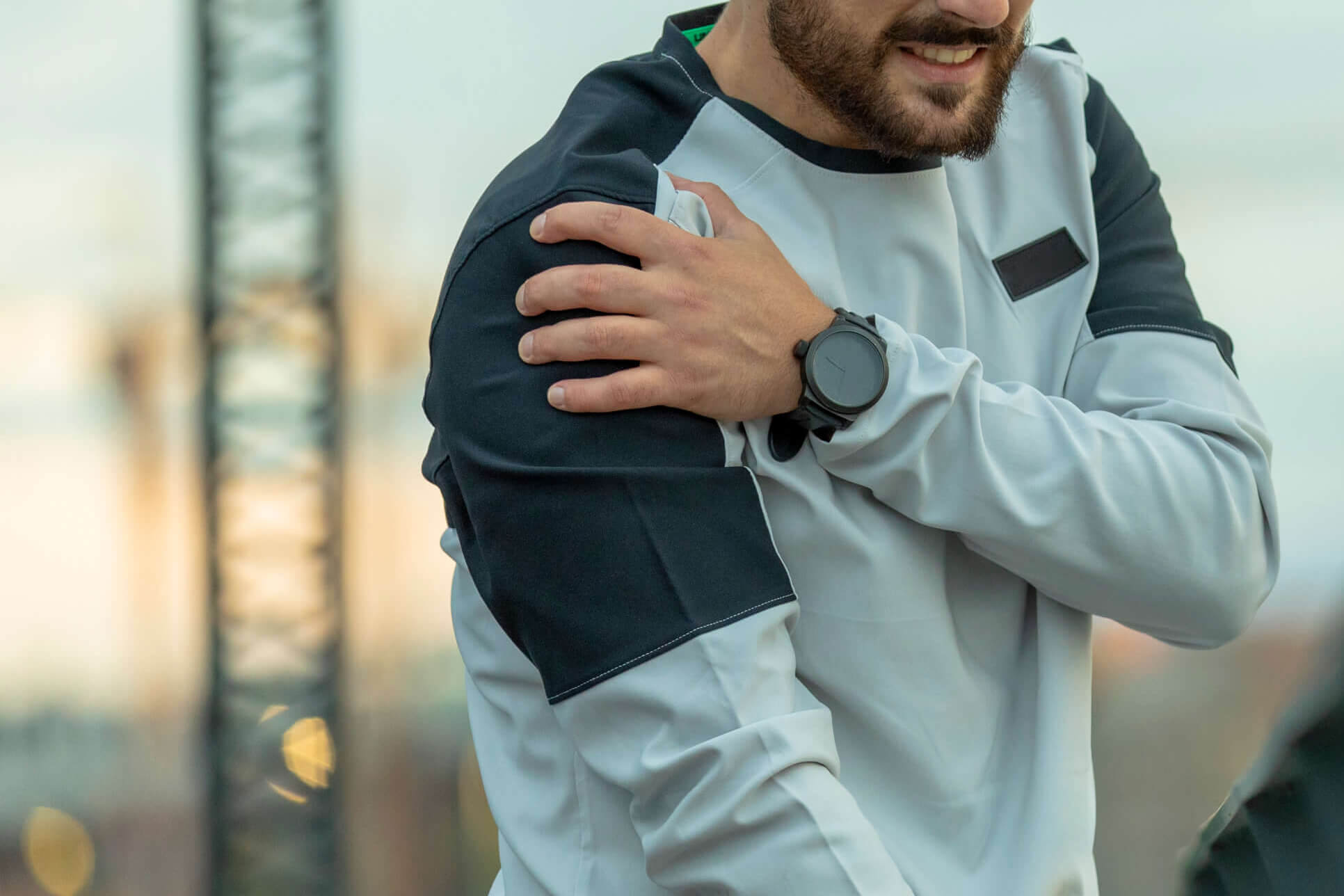
After a thorough physical examination and MRI scan, I confirmed a diagnosis of a rotator cuff tendon tear with resulting frozen shoulder (adhesive capsulitis). The rotator cuff is a group of muscles and tendons that controls movement of the shoulder joint. It can be injured when a person undergoes vigorous upper limb movement exercises. This is especially more common if training is not progressive, or if a patient is older and had developed a degenerative bone spur. This bony prominence then causes pinching and rubbing of the muscle tendon, resulting in a tear. A rotator cuff tendon tear can be very painful and may lead to a person moving his shoulder less. Over time, the shoulder can be scarred and “frozen” stiff.

Mr K had an unsuccessful spell with physiotherapy, but subsequently recovered successfully after a key-hole arthroscopic shoulder surgery to repair the tear and release the frozen shoulder.

The learning point in this case study is that while the original intention is to stay fit in an unprecedented time of social distancing, it will be safer to step up training in a progressive manner. This refers to both the frequency and intensity of the exercises. Emphasis also needs to be placed on correct technique and sometimes, a training coach will be helpful.

CASE 4

“Doc, I have been cooped up at home for WFH so I decided to take up running regularly. But now my knee hurts!”

Like so many people who have been on WFH, Ms Q, an accountant, has been feeling stifled from being stuck at home for so many days of the week. She admitted that she has never been much into exercise, but decided that now is a good time to get into shape and at the same time, get some fresh air. Hence, she started jogging 15 minutes once a week. This soon became 30 minutes three times a week.

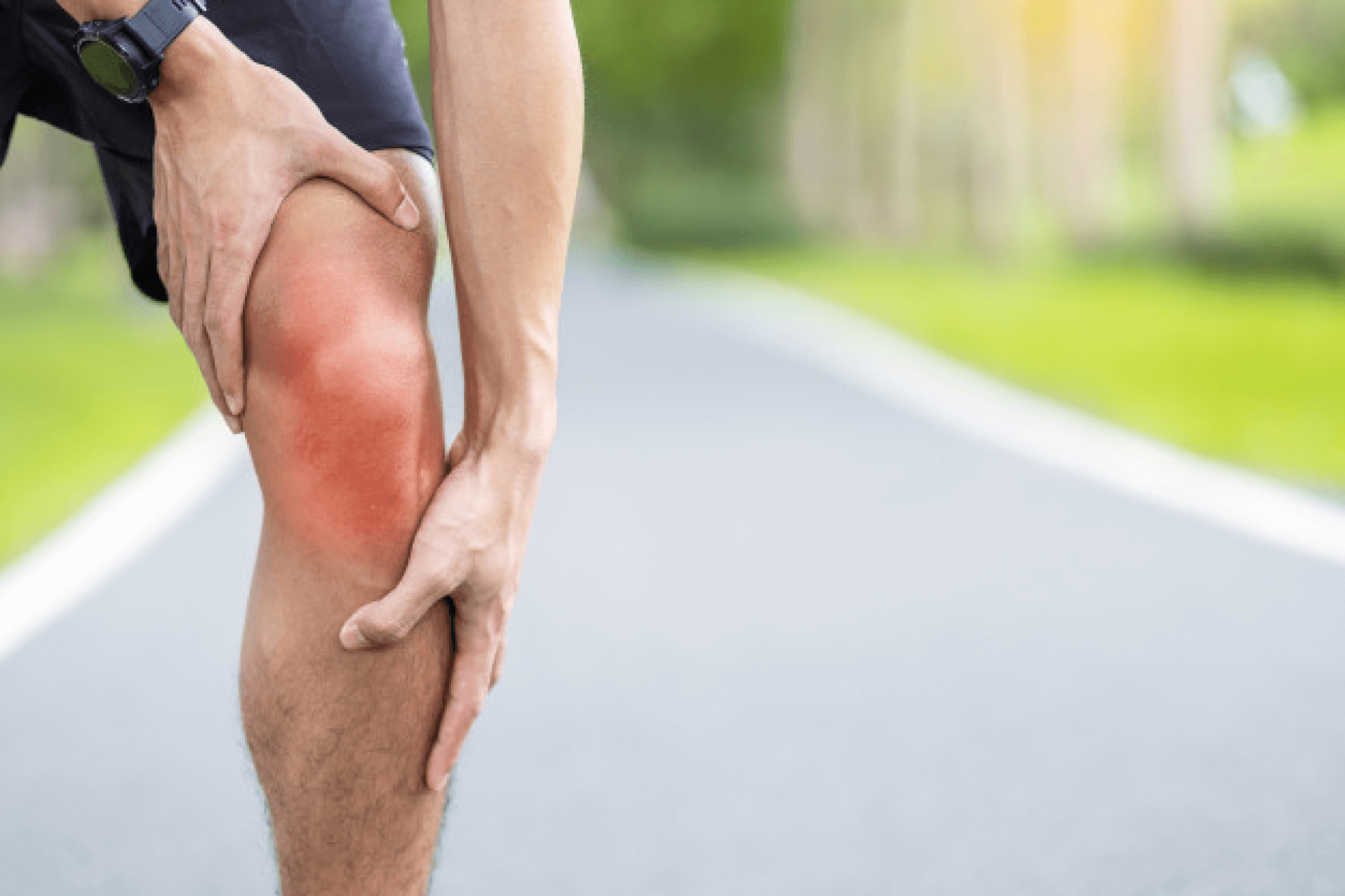
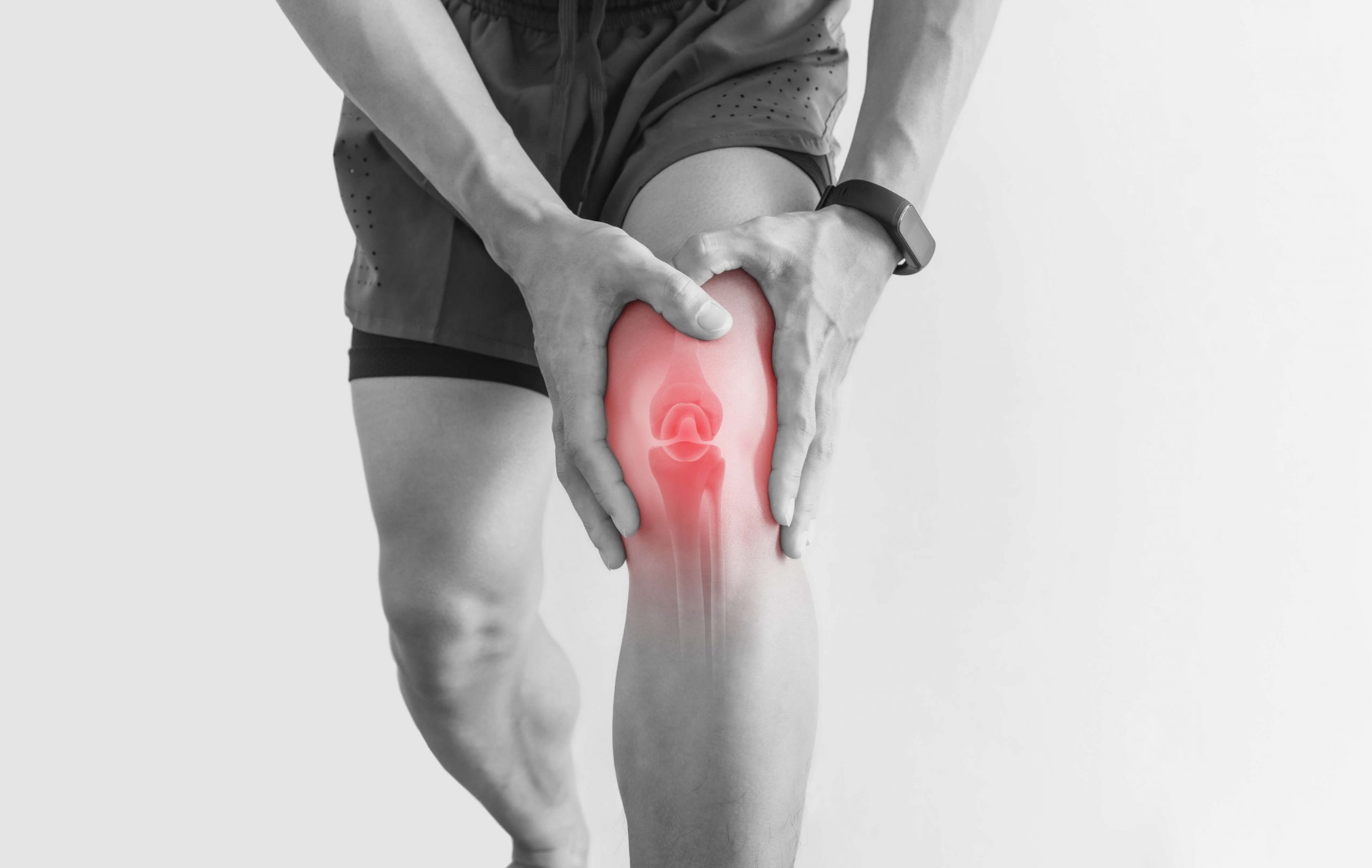
When I examined her, she had a swollen knee with painful bending and straightening of the knee. She was also unable to squat or kneel normally due to the pain. An MRI scan was performed which showed a small tear of the meniscus as well as injury to the cartilage of the knee. The meniscus is a C-shaped soft tissue structure in the knee that acts as a shock absorber. It cushions the impact on the knee when running or jumping, hence protecting the internal structures.

As the damage to the meniscus and cartilage was minimal, Ms Q was able to recover fully with rest, anti-inflammatory medication and the help of a physiotherapist. This was done by strengthening the supporting knee muscles as well as improving Ms Q’s running form. She has now gone back to jogging, but at a more manageable pace.

If the meniscus or cartilage injury had been more severe, there might have been a need for key-hole (minimally invasive) arthroscopic surgery to repair the damage. This procedure, which can be a day procedure, has been shown to have consistently good results.

Having a jog around the estate after being cooped up at home is a wonderful way to keep fit and destress. However, Ms Q’s example is a lesson to all of us that any new exercise needs proper preparation and sufficient timeline.

Book Appointment

Fill up the form and we will get back to you soon!

    Synergy Orthopaedic Group

    May 2021

    A Complete Guide To ACL Tears In Singapore By An Orthopaedic Surgeon (2021)

    What does the ACL do?

    The ACL, which stands for Anterior Cruciate Ligament, is one of the most important ligaments in your knee. It is located in the middle of the knee, attaching the shinbone to the thigh bone. The primary function of the ACL is to provide stability to the knee by preventing the shin bone from sliding forward and twisting excessively.

    What is an ACL tear?

    An ACL tear is a rupture of the ligament tissues connecting the shinbone and the thigh bone.

    There are three main types of ACL tear of the ligament fibres:

    • Stretched but not torn (First-degree)
    • Partially torn (Second-degree)
    • Completely torn (Third-degree)

    How does an ACL tear occur?

    An ACL tear is one of the most common knee injuries and typically occurs when there is a sudden forceful change in movement and direction of the knee joint or when a considerable load falls onto the knee. Both of these situations will lead to excessive pressure placed on your knee joint, resulting in a potential ACL tear. Examples include a sudden change in direction while running, falling or any vigorous activities that require a sudden pivot, such as rugby or basketball.

    How can I tell if I have an ACL tear?

    An ACL tear can be determined from the following common symptoms:

    • A loud popping or snapping sound
    • Sharp pain in the knee when moving
    • Rapid swelling in the knee
    • Difficulty fully bending and straightening the leg
    • The feeling of instability that the knee may give way

    The above symptoms are indications that you may have an ACL tear. Alternatively, a key tell-tale sign is when the pain experienced is so severe that it impedes your daily activities and movements to a large extent.

    Diagnosis

    How will the doctor diagnose my injury?

    If you are experiencing any of the tell-tale signs, you should probably visit a doctor. Your doctor may first discuss your symptoms and then conduct a physical examination of your knee by placing it into various positions to test its range of motion. They may also compare your injured knee with your non-injured knee, a common and straightforward way to determine if there are any complications.

    Your doctor may also use further imaging tests such as X-ray, MRI scan or Ultrasound to determine the severity of your injury and identify any other damages in your knee. In some cases, if your cause of knee pain is still unknown, your doctor may also use knee arthroscopy, a minimally invasive procedure, to study your knee.

    These diagnostic tests will help your doctor conclude if your knee injury is an ACL tear and eliminate other potential injuries such as a bone fracture or a meniscus tear.

    Do I need to treat an ACL tear?

    Most doctors and specialists will likely recommend treatment for your torn ACL through surgery or rehabilitation. Your pain and swelling may become less severe over time, but a torn ACL can still cause instability in your knee in the long run. A severe ACL tear does not usually heal on its own as the blood flow to the ligament deteriorates when torn.

    Treatment

    What are the treatment options available?

    There are generally a few options available to treat an ACL tear, depending on your age, level of physical activity, and the severity of the tear. The initial stage will generally include an appropriate amount of rest and physiotherapy to reduce pain and swelling. Suppose you are relatively physically inactive, and your tear is a less severe first-degree tear (ligament fibres are stretched but not torn). In that case, proper rest and physiotherapy are usually sufficient to regain the primary function of the knee.

    However, in many cases, surgery is usually recommended. Your physiotherapist may suggest simple rehabilitative stretching and strengthening exercises before the surgery to allow the knee to regain its range of motion and strength slowly. This will speed up the recovery process after the surgery.

    Should I undergo an ACL reconstruction surgery?

    An ACL reconstruction surgery is a medical procedure whereby a doctor completely replaces your torn ACL with a replacement tissue, also known as a graft.

    In many cases, an ACL reconstruction surgery is recommended if:

    • You are physically active and frequently engage in moderate to vigorous exercises.
    • The partial or complete ACL tear is disrupting your daily activities to a large extent (Second or third-degree tear)

    Pros and Cons of ACL reconstruction surgery

    Pros:

    • Stability in your knee
    • Regain full function of the knee and allow you to continue with your daily activities without difficulties
    • Reduce risks of other knee problems such as arthritis

    Cons:

    • Lengthy recovery period and rehabilitation
    • Risks and costs of ACL reconstruction surgery

    ACL reconstruction surgery costs in Singapore

    The costs of an ACL reconstruction surgery largely depends on the type of hospital.

    In public governmental hospitals, there are subsidies available that offer up to around $3,950 for the surgery. This leaves with an average of $1000 for the total operation fee after subsidy. In private hospitals, ACL reconstruction costs between $17,000 – $21,000.

    The above-estimated costs only include the total cost of the surgery. Further factors that may affect the total estimated costs are the class of the hospital ward, duration of stay and other miscellaneous expenses such as implants used. Should you wish to find out more, please check with the healthcare providers or hospitals directly.

    As seen above, the cost of an ACL reconstruction operation in public hospitals is much cheaper than in private hospitals. However, for public hospitals, you may be required to wait several months before your surgery compared to private hospitals. As such, the choice of a public or private hospital will largely depend on costs and waiting time.

    How to find the best orthopaedic surgeon?

    Any orthopaedic surgeon who possesses the necessary training and prerequisites can perform an ACL reconstruction surgery.

    Ideally, your surgeon should also be physically active as they can then understand your situation and concerns better. However, any skilled and experienced orthopaedic surgeon who has high success stories is sufficient. Alternatively, you can ask your friends or family members for any recommendations through word-of-mouth.

    What happens before the surgery?

    At this stage, you may have already found an appropriate orthopaedic surgeon for your ACL reconstruction surgery. Before the surgery, your surgeon will likely discuss the graft (a replacement tissue) that they will use to replace your ACL. This graft is commonly taken from the hamstring tendons at the back of your leg. If there are no suitable replacement tissues, in certain situations, a tissue from a donor, usually a deceased, can also be used.

    What to expect during the surgery?

    After discussing which graft to be used, your knee surgeon will start to perform ACL reconstruction using knee arthroscopy, a minimally invasive procedure. During the surgery, your surgeon will first administer anaesthesia before making two small incisions at the front of your knee. A thin and flexible fibre-optic tool, also known as an arthroscope, will be inserted through this incision. Using the light and camera attached to the arthroscope, your surgeon can then inspect the ACL tear.

    A third longer incision is subsequently made inside your knee to ‘harvest’ the graft (hamstrings tendon). After which, the torn ACL is then removed and replaced by the graft.

    What types of follow-up are done after the surgery?

    After the surgery, a cold compress may likely be applied to reduce postoperative swelling. Some painkillers may also be prescribed to you to temporarily relieve any pain.

    Additionally, a physician will likely recommend you to wear a knee brace and to use crutches to aid in daily movements. They will also examine your knee for some time, at set intervals of a few weeks or months, to measure:

    • Any presence of persistent pain and swelling in your knee
    • Range of motion of your knee
    • Strength of your leg

    What possible complications should I be aware of?

    As with any invasive surgical operations, there are always risks of infection or bleeding. However, these cases are rare and not typically observed.

    The more common complications are continued loss of motion and pain in the knee. Nevertheless, the effects of these complications can be reduced through post-operative recovery and rehabilitation.

    ACL Surgery Recovery and Rehabilitation Process

    Post-operative care for an ACL reconstruction surgery

    While most patients are able to go home the day after their surgery, the recovery period from an ACL reconstruction surgery varies for each person. You should continue wearing a knee brace and using crutches to aid in your daily activities. Your physician will likely ask you to rest for the first few days after your surgery. During this period, you can use an ice pack or consume painkillers to alleviate pain or swelling. Additionally, it is recommended that you have someone at home to take care of you as well.

    Rehabilitation timeline following an ACL reconstruction surgery

    Most of your recovery time will come from the rehabilitation phase. For the first few weeks, your physical therapist will propose an exercise regimen, including simple stretching and strengthening activities, to help your knee regain its range of motion. The use of a knee brace and crutches are still applicable during this stage.

    From about the third week to a few months, you should be able to walk normally and regain a full range of movement and strength in your knee without using a knee brace and crutches. However, even though you may feel that you have regained full function of the knee at this phase, take note that the reconstructed ACL is still at the recovering stage and may still be vulnerable. Hence, ensure that you do not overdo your exercises and continue to be careful not to move your knee forcefully and abruptly.

    After around 6 to 12 months, upon examinations made by your physical therapist, light jogging and cycling should be able to resume. If you are an athlete, you can continue your sporting activities gradually. This is the stage when you will restore the advanced functions of your knee. Likewise, you should still be cautious not to place excessive pressure on your knee joint by avoiding sudden movements.

    Conclusion

    While an ACL tear can greatly affect everyday life, with proper and timely diagnosis, coupled with a compliant approach to rehabilitation, your knee will be able to regain full mobility and function. However, as the saying goes, “Prevention is always better than cure”. It is paramount that you take the necessary precautions to ensure that you do not place excessive strain on your knee joints. For example, when there is a need to pivot or stop when running, do not do so forcefully or suddenly. With that in mind, a reconstructed ACL will eventually function normally, and you will be able to continue your daily activities without difficulties.


    Book Appointment

    Fill up the form and we will get back to you soon!

      Synergy Orthopaedic Group

      May 2021

      What Is Total Knee Replacement?

      A total knee replacement is a surgical procedure that aims to restore regular knee function by replacing an ailing knee with an artificial joint. In Singapore, this is sometimes referred to as total knee arthroplasty.

      A healthy knee is necessary for performing everyday activities because its responsible for extension, flexion, and rotation movements. When your knee is damaged due to arthritis or other related injuries, simple daily activities such as walking or climbing the stairs may be affected. In some cases, you may experience pain even in sedentary positions.

      When oral medication, physical therapy, weight loss, and the use of walking aids fail to alleviate pain, a total knee replacement may be considered. A total knee replacement will replace the damaged and worn surface of the knee joint which causes pain, thereby allowing for the resumption of regular daily activities and improved quality of life.

      Who should undergo Total Knee Replacement Surgery?

      Total knee replacement is generally considered a major surgery and requires consultation with an orthopaedic knee surgeon or orthopaedic specialist Singapore patients trust before arriving at a decision.

      Total knee replacement surgery is typically needed in the case of severe osteoarthritis–a breakdown of the knee joint characterised by acute pain, stiffness, and chronic inflammation. Other conditions include rheumatoid arthritis, gout, haemophilia, and knee injuries from accidents. In such cases, the knee joint becomes unstable and impedes mobility, and can limit your quality of life.

      Elderly patients are more susceptible towards arthritis and many patients who undergo knee replacement surgery tend to be in their 60s. However, young persons who are active or play contact sports may also be suitable candidates for a total knee replacement due to premature wear and tear of the knee joint.

      There are two types of knee replacement surgery: total knee replacement (TKR) and partial knee replacement (PKR). The former is more commonly performed on patients suffering from osteoarthritis and other related conditions that require the entire knee joint to be replaced. The latter is generally performed on younger patients below the age of 60, and only deals with the specific area of the knee that is damaged instead of replacing it entirely.

      What are the Possible Risks and Complications?

      As with any surgical procedure involving the administration of general anaesthesia, there are risks associated with the procedure. These include:

      • Infection
      • Deep vein thrombosis (blood clots forming in the leg vein)
      • Increased risk of heart attack
      • Increased risk of stroke
      • Increased risk of nerve damage

      Following the surgical procedure, you should notify your doctor immediately if the following symptoms are present:

      • Temperature greater than 37.8 C
      • Shivering or experiencing body chills
      • Excessive drainage from the surgical wound
      • Increasing redness, tenderness, inflammation and pain in the knee area

      Apart from surgical risks, the newly implanted artificial joint may also have complications should any part of the artificial prosthesis become misaligned. You may also experience stiffness in the knee joint and a limited range of mobility in the immediate period following the procedure. 

      In some cases, there may even be soft tissue damage to the surrounding area that occurred during the operation. Lastly, the artificial knee itself may also experience wear and tear over time. High-impact sports or heavy load training may cause the metal parts to become damaged, requiring a new replacement.

      How is the Surgery Performed?

      Firstly, the patient will be administered with general anaesthesia. Once you have been sedated, the surface skin around the knee joint is disinfected with an antiseptic solution. Using a special device, the knee will be secured at a 90-degree angle for the entire operation. A tourniquet is fitted to your upper leg area for the purpose of reducing blood flow during the surgery.

      Secondly, the surgeon makes an incision in the front area of your knee joint. This allows the damaged part of the knee to be removed, along with any other damaged cartilage from the femur bone surfaces. 

      Small portions of the tibia, as well as the patella bone, are also shaved. This is important for shaping your bone so that the artificial implant can be appropriately fitted in.

      Next, the implant is joined to each of your three bones (femur, tibia, patella) using a special adhesive that works specifically for the bones. The femoral component is made of metal and has a rounded surface, designed to allow smooth movement as the knee bends and straightens. 

      The tibial component comprises both a metal and plastic insert and provides stability to the joint. The patella component is solely made of a strong plastic, and connects the femur with the patella.

      Once the surgeon has ensured proper alignment of the artificial implant, your wound will then be sutured to place the separated tissue back into their original position. A surgical drain may be attached to your wound site for collecting drainage in the immediate aftermath of the surgery. Finally, a sterile bandage is then applied to your knee area.

      What to Expect After the Surgery?

      Post-Operation

      Depending on your rate of recovery, you may be warded for 3-5 days in the hospital following the procedure. It is crucial to observe blood circulation function in the leg as well as the extent of inflammation in the knee. 

      Your surgeon may prescribe you with blood-thinning medication and advise you wear tights which help to prevent blood clotting. This is especially so if you suffer from obesity, have previously experienced blood clots, or smoke. These factors will predispose you to a greater likelihood of blood clotting.

      Gradual movement of the knee will be encouraged, and you might be given a walking frame to help you get around while your knee is still healing. A physiotherapist will also be assigned to demonstrate rehabilitation exercises that will help strengthen your new knee joint. 

      Seek clarification from the physiotherapist so that you understand how to facilitate your recovery. You will have to continue with these exercises after being discharged from the hospital. A progressive walking regimen will help to slowly restore your knee strength, and you should be able to resume regular daily activities within 3 to 6 weeks of the operation.

      Recovery at Home

      The sutures on the surface of your knee will only be removed a few weeks after surgery has completed, so you will need to be careful when going about your daily activities at home. Sutures that were placed beneath the skin are dissolvable and will not require removal. During this period, it is important to keep the wound dry. 

      For the first 3 weeks after surgery, you should have someone assist you with daily tasks at home. If you live alone, you may consider engaging a short-term helper to help you manage cooking, bathing, and housework. 

      A loss of appetite is common in the weeks after surgery, but it is crucial to maintain a diet high in iron. This helps the tissue to heal and facilitates muscle strength recovery.

      You may also consider making certain modifications to your home which assist with your mobility. These may include:

      • Safety handlebars in the toilet and a chair to sit on when showering
      • Toilet seat riser with arms to limit the need to bend down
      • An appropriate chair that provides adequate back support and a footstool that allows you to rest your leg in an elevated position
      • Taking away all safety hazards that could possibly increase your fall risk at home

      Conclusion

      A total knee replacement surgery will give you pain relief, improved mobility and a better quality of life. Moreover, knee replacements can typically be expected to last over 15 years for the most part. The American Academy of Orthopedic Surgeons (AAOS) has reported that 90 percent of patients who undergo a total knee replacement enjoy a considerable reduction in pain.

      Improvements in physical mobility also mean that you can resume outdoor activities that you previously enjoyed. Following a successful recovery, you will be able to return to low-impact activities such as walking, swimming, cycling, or golfing.


      Book Appointment

      Fill up the form and we will get back to you soon!

        Synergy Orthopaedic Group

        May 2021

        What Is A Rotator Cuff Repair?

        A rotator cuff injury occurs when the tendons that comprise the rotator cuff experience a strain or a tear. It can either stem from repetitive stress to the tendon tissue in the shoulder, resulting in wear and tear, or a sudden shock to the shoulder joint, resulting in an injury. Rotator cuff injuries predominantly affect middle-aged and older individuals. 

        A rotator cuff repair is a surgery to repair an acute rotator cuff injury caused by a torn tendon in the shoulder. The most common surgical procedure is arthroscopic tendon repair. Other procedures that are usually performed on more severe injuries include open tendon repair, tendon transfer and shoulder replacement. 

        When Should You Do A Rotator Cuff Repair?

        Certain groups of individuals are more prone to rotator cuff injuries due to the type of sports they play, the nature of their work and a multitude of other factors, even the way that they sleep, according to rotator cuff specialist Dr K.L. Ong. 

        Sports that demand large and repetitive movements of the shoulder joint include swimming, baseball, tennis and golf. 

        Jobs that require repetitive overhead motions such as a painter or a carpenter also place substantial stress on the shoulder joints, increasing the risk of a rotator cuff injury.

        The optimal treatment depends on the severity of your injury, among other factors. Minor rotator cuff injuries are often characterised by a dull ache in the shoulder. These can be treated with rest, ice and therapy. 

        As your body naturally heals, the pain gradually recedes and eventually goes away altogether. During therapy, your physiotherapist will tailor exercises to target your specific area of injury. These exercises help to strengthen the muscles surrounding the tendon tissue and build flexibility. 

        Over-the-counter (OTC) pain relievers such as ibuprofen and acetaminophen could also be useful in reducing discomfort. In slightly more serious cases, you could take steroid injections to ease the pain. However, they may exacerbate the tendon’s weakness and reduce the success rate of a potential surgery. Persistent use of steroids is not encouraged and caution should be exercised.

        However, these remedies do not suffice for severe rotator cuff injuries. If you have been experiencing severe or prolonged pain for more than six months, your orthopaedic shoulder specialist would advise you to go for surgery. This is especially so if you require the active use of your shoulder for daily activities, such as sports and work.

        You should consult your physician for a rotator cuff repair if you experience one or more of the following symptoms:

        • Reluctance or difficulty in exercising your shoulder due to discomfort. 
        • Pain in the shoulder that interferes with daily activities such as cooking and jogging.
        • Pain in the shoulder when performing overhead motions and heavy lifting.
        • Reduced range of motion in your shoulder joint, accompanied by severe pain for extreme movements.

        How To Prepare For Rotator Cuff Repair

        Before your surgery, the doctor will first obtain a thorough diagnosis of your condition. The primary tests are done by applying pressure on different parts of your shoulder, gently moving it into different positions and rotating it. This is to determine the degree of pain and the exact site of pain, which will then determine the surgical location and size of the incision. 

        You should, if possible, pinpoint the specific area of pain to your doctor, its severity, the movements that induce and relieve pain, as well as numbness in your arm, if any. 

        X-ray tests will also be administered to provide a comprehensive and clear view of your shoulder joint. It also tests for indicators for other possible causes of pain. For instance, a bone spur suggests arthritis. Other tests include ultrasound, an electrocardiogram (EKG), and a complete blood count (CBC), each for a different purpose. 

        Meanwhile, you should also avoid movements that further strains the injured area, such as heavy lifting and overhead ball sports. It is paramount to visit a doctor immediately after a severe injury, as surgery has the greatest effectiveness on fresh injuries (and less so for chronic illnesses).

        On The Day Of Surgery

        Basic pre-operative tests will be performed on the day of the surgery to ensure fitness for the procedure. These include a temperature check, a pulse check, a blood pressure test and an oxygen level test. 

        You will either receive general anaesthesia, usually through an IV drip attached to your arm, or regional anaesthesia. General anaesthesia induces unconsciousness during the length of the procedure, while regional anaesthesia only numbs your arm and shoulder. 

        The most common form of surgery, also known as an arthroscopic tendon repair, involves the surgeon making a few tiny incisions at the site of the injury. One is used to insert a camera, while others are used for the insertion of medical instruments to reposition and connect your tendon to your bone from where it was torn. Then, sutures are attached to the tendon, which are fastened to suture anchors that are in turn attached to the bone. As such, the tendon is rejoined to the bone.

        Open tendon repairs are performed when your surgeon has to remove calcium deposits or a bone spur. A bone spur is a bony projection that might exert pressure on surrounding nerves or tendons, thus causing pain. 

        After the surgery, your vitals will be monitored for a couple of hours. If there are no abnormalities, you will be briefed on post-surgical care and discharged, all within the span of a few hours.

        Recovery and Rehab For Rotator Cuff Repair

        Usually, your surgeon will instruct you to wear a sling or a shoulder immobilizer for four to six weeks post-surgery. This is to prevent excessive movement and to keep your arm stable and close to your body. 

        Physical therapy is a beneficial and paramount post-surgical activity. It strengthens the muscles in your shoulder through specific exercises tailored to your injury. Proper therapy, coupled with ample rest, catalyzes the recovery process. A full recovery takes anywhere from three to six months, depending on the severity of your injury, your age, whether you are a smoker, your body’s healing capacity and a multitude of other factors.

        Long Term Outlook For Rotator Cuff Repair

        Studies have shown that surgery is very effective at reducing pain induced by rotator cuff injuries and improving shoulder mobility. Although recurrent tears might grow in size, they are usually painless and do not compromise shoulder function. However, the site of injury might experience protracted soreness or a lack of strength. This improves with time and therapy. 

        Meanwhile, you should provide your shoulder with a sufficient amount of rest and refrain from engaging in strenuous sports that require a wide range of motion from the rotator cuff. In addition, extra precaution should be taken in exercising your shoulder joint if you have already injured your rotator cuffs in the past.

        Book Appointment

        Fill up the form and we will get back to you soon!

          Synergy Orthopaedic Group

          May 2021

          Shoulder pain that doesn’t go away with a few days’ rest or pain that requires a significant amount of painkillers to bring relief should raise alarm bells. In my clinic, patients who suffer from shoulder pain with seemingly unknown causes typically have one of three common conditions: injury to the rotator cuff (the main group of muscles that mobilise the shoulder), injury to the labrum (a rubber band-like structure that keeps the shoulder in its socket) or “frozen shoulder”.

          Believe it or not, a rotator cuff injury doesn’t just happen to athletes. While many cases respond well to conservative management, some severe tendon tears may eventually require rotator cuff repair Singapore patients undergo to restore shoulder function and strength. In fact, a large number of patients with a bothersome shoulder ache have no recollection of how it occurred. It could easily have been due to a forgettable action such as grabbing a bag from the back seat of a car while sitting in the front seat. 

          Labrum injuries, too, don’t just happen to athletes, though this type of injury does commonly occur in throwing sports or activities with repetitive overhead movement – volleyball and tennis, for example. And, it happens gradually over time. So, a frustrated gym enthusiast will lament that he is no longer able to bench-press his usual loads because of a sharp pain; or a tennis player might no longer be able to serve overhead without pain; yet, both will deny any earth-shattering injury.

          A frozen shoulder may be triggered by a known injury, including a labrum or rotator cuff injury. Seeking assessment from a frozen shoulder doctor Singapore patients trust can help ensure timely diagnosis and appropriate treatment. However, often the patient doesn’t recall any injury at all. Without proper counsel and care, a condition that could have been resolved in two months may drag on for two years with serious complications. Therefore, it’s important not to brush off that shoulder pain! Getting a diagnosis early and receiving proper treatment will stave off long-lasting disability.

          Book Appointment

          Fill up the form and we will get back to you soon!

            Synergy Orthopaedic Group

            May 2021

            While high-intensity interval training (HIIT) is an effective, time-efficient way of improving fitness and strength, it can also cause more injuries than other workouts. Senior Consultant Orthopaedic Surgeon DR ONG KEE LEONG shares some common HIIT injuries and how to prevent them.

            HIIT is a cardio-based workout that alternates spurts of intense exercise with low-intensity recovery periods. It can entail sprints, spinning and high-tempo circuit training including burpees, jump-squats and mountain climbers; strength-based bodyweight, kettlebell, barbell or battle-rope exercises are often incorporated, too.

            While HIIT has many health benefits when performed properly, I’ve seen many patients sustain injuries during this type of training. It’s usually not the movements themselves that cause injury, rather, poor form and preparation are to blame.

            Common HIIT injuries include:

            Knee injuries

            Knee conditions are the most common ailment in HIIT athletes. Cartilage damage can occur from repetitive motion of the knee joint – and only worsens with stair and box climbing, or landing after a jump. Meniscus tears frequently occur when an athlete bends or straightens the knee in an explosive, but slightly awkward or careless manner – resulting in pain and a locking sensation. 

            When diagnosed early, these problems can be resolved with physiotherapy, a well-fitted knee brace and anti-inflammatories. More severe cases may require surgical repair.

            Shoulder injuries

            Shoulder impingement is common with HIIT; it occurs when the upper arm is brought through a wide arc of motion rapidly, and forcefully or abruptly used to hold up significant loads, leading to a rotator cuff injury.

            Also common are injuries to the labrum – the rubber band-like structure that keeps the shoulder in its socket – that cause pain or clicking. Labral tears often occur with repeated overhead arm movements, or while using a bodyweight or barbell.

            When diagnosed early, these injuries can effectively be treated with rest, exercise modification and guided strengthening exercises with a physiotherapist. A larger tear usually requires minimally invasive keyhole surgery. The sooner you seek medical advice, the better, as it can affect the amount of downtime you’ll experience later.

            Elbow injuries

            Usually attributed to overtraining with inadequate rest in between, or poor technique, elbow pain can be so severe that writing is impossible. 

            Early recognition of the problem will give the athlete a head start in returning to a fitness regime. And exercise modifications, anti-inflammatories and guided stretching exercises will give the worn-out tendons a chance to recover. An adjustable elbow brace can also provide great symptomatic relief.

            If the condition is more severe, a steroidal anti-inflammation injection can help. Less commonly, arthroscopic keyhole surgery may be required.

            Back injuries

            Poor core strength and lifting with poor form can result in back strains. Usually, milder strains can be treated with rest, stretching exercises, heat packs and anti-inflammatory medication. 

            Back injuries that persist even after a few days of rest and medication – particularly those associated with leg weakness, numbness, a pins and needles sensation or shooting pain – should be checked by a doctor. An MRI scan of the spine may be necessary to check for a herniated disc.

            Top Tips For Avoiding HIIT Injuries

            • Warm up and stretch, before and after high-intensity exercise
            • When starting out, make sure your exercise technique and form are correct (have an attentive coach!)
            • Don’t ramp up training unless you’ve built up the core strength and muscle memory required
            • Cross train with a diverse range of exercises
            • Deliberately set aside adequate time for your body to rest and recover, you are not a machine (no matter what others may tell you!)
            • Remember that no pain is not no gain! If you’re in pain, stop, assess and see a medical professional for advice

            Book Appointment

            Fill up the form and we will get back to you soon!

              Synergy Orthopaedic Group

              back to top