Call Us +65 6884 6788

July 2021

Here’s What You Need To Know

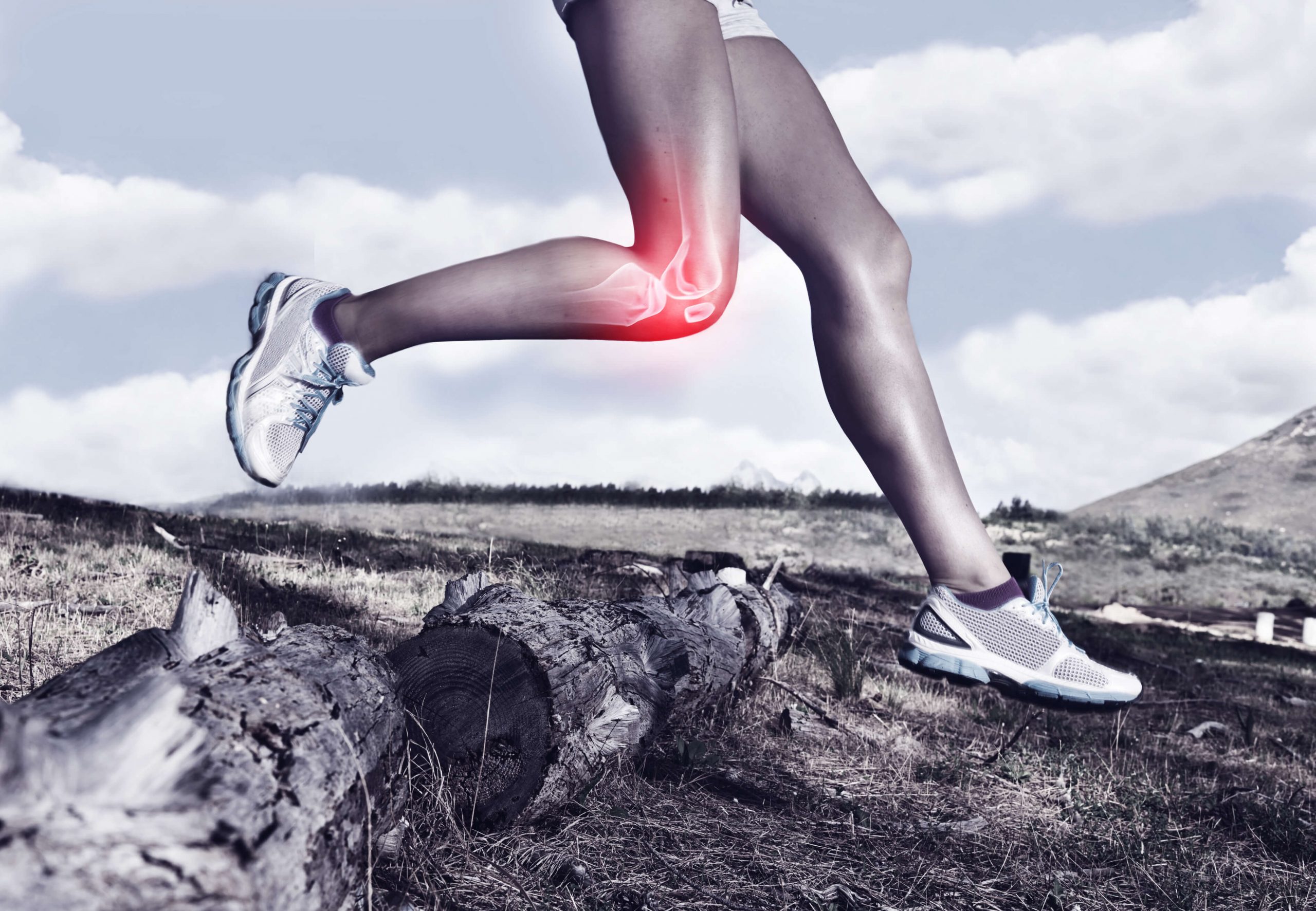
Few injuries are as frustrating as knee injuries, especially when you’re left sidelined from your favourite sporting activities. Unfortunately, anyone can fall victim to knee injuries regardless of whether they are professional athletes or regular fitness enthusiasts. In fact, knee injuries can also arise from everyday activities or accidents.

According to a 2006 study, approximately 40% of sports injuries comprise injuries related to the knee joint. But don’t worry, because fixing knees is my specialty. An orthopaedic doctor Singapore patients consult can help diagnose knee injuries accurately and recommend the most appropriate treatment plan. I’ve studied their design, how they function, common injuries, the most cutting edge prevention techniques, and what leading physiotherapists are doing to rehabilitate knee injuries. 

Regardless of whether your knee injury stems from patellofemoral pain syndrome, ligament sprains or tears, cartilage tears, tendinitis, or just plain old wear and tear (arthritis), this playbook will explain everything to you and offer tips on how you can prevent them.

If you’ve ever suffered from a knee injury, then this is the article for you to learn more about how you can keep your knees as healthy as possible. 

If you’ve never had a knee injury before, this article is also for you. By following the injury prevention tips here, your chances of sustaining a knee injury will be greatly lowered.

Types Of Knee Injuries

Before that, you should know a little bit about the anatomy and inner workings of the knee joint in order to understand the different injuries that may occur. The bones at the knee joint consist of the femur (thigh bone), the tibia (shin bone), and the patella (kneecap). The ligaments, which are fibrous connective tissue connecting the bones, help provide joint stabilisation.
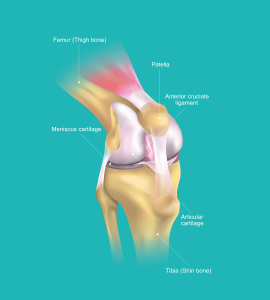
Here’s a quick guide to help visualise the bones which make up your knee:

  • The femur: runs from your thigh to your knee
  • The tibia: runs from your knee to your ankle
  • The patella: the triangular-shaped bone in front of the knee

Now let’s take a closer look at the muscles, tendons, and cartilages that make up the knee joint.

The medial collateral ligament (MCL) provides a form of restraint against valgus forces (anything bent or twisted away from the midline) to the knee. The lateral collateral ligament (LCL), however, provides restraint to varus forces (the opposite of valgus forces) at the knee. These two collateral ligaments are responsible for controlling the sideways motion of your knee and bracing it against unnatural movement.

Next, the anterior cruciate ligament (ACL) serves as the primary restraint to anterior tibial translation on the femur. The posterior cruciate ligament (PCL), on the other hand, limits posterior tibial translation on the femur. Both of these ligaments cross inside the knee joint, thus earning the name ‘cruciate’ (cross-shaped). More importantly, they help to stabilise the knee from the back and the front.

There are many different knee injuries. These can be categorised into broken bone injuries (fractures), soft tissue injuries (dislocations, sprains, ACL injuries, PCL injuries, collateral ligament injuries, meniscal tears, and tendon tears), and overuse injuries that build up over time (arthritis).

ACL Injuries

An ACL injury is essentially a tear or sprain of the anterior cruciate ligament (ACL), which is the ligament that connects your femur to your tibia.

Many patients have reported hearing a ‘pop’ sound coming from their knee upon sustaining an ACL injury. This type of injury is most common in intermittent sprint sports which involve sudden changes in direction, such as basketball, hockey, American football, soccer, and rugby amongst others. However, ACL injuries can also occur from accidents such as falling from a height which places sudden pressure on the knee in an awkward position.

A good number of ACL injuries also come with accompanying damage to other structures in the knee, such as the cartilage, meniscus, and other ligaments. ACL injuries are graded on a severity scale:

  • Grade 1 Sprains: Ligament has been stretched, resulting in mild damage. However, the knee joint is still stable.
  • Grade 2 Sprains: Ligament is stretched until it has become loose. This is commonly referred to as a partial ACL tear.
  • Grade 3 Sprains: Ligament has been split into two pieces, resulting in loss of stability at the knee joint. This is also known as a complete ACL tear. In severe cases where instability affects daily activities or sports participation, ACL reconstruction surgery Singapore may be recommended to restore knee function and stability.

Causes

There are a number of specific movements that can put stress on the knee, resulting in an ACL injury. These include:

  • A sudden stop or change in direction
  • Receiving a blow to the knee during a tackle, resulting in hyperextension or inward bending
  • Pivoting sharply with one foot firmly planted
  • An awkward landing from a jump

Although sports injuries are the common cause of ACL injuries, other patients have also sustained such injuries during car accidents or other trauma, such as falling down the staircase.

Symptoms

Patients who experience an ACL sprain or tear are likely to report some combination of the following symptoms:

  • Sharp and intense pain
  • Rapid swelling
  • Deep aching pain in the knee
  • Knee instability
  • Loss of full range of motion

Knee Fractures

A knee fracture is a damage to any of the four leg bones which meet at the knee. This includes the patella, the femur, the tibia, and the fibula. Knee fractures can be as mild as a small hairline crack in the bone, or as severe as a complete break.

Orthopaedic surgeons categorise fractures in several ways:

  • Non-displaced fracture: Broken pieces of bone remain in contact with each other.
  • Displaced fracture: Bone pieces are out of position and no longer aligned.
  • Comminuted fracture: Bone breaks into many pieces.
  • Open or closed fracture: Denotes whether the bone has broken through the surface of the skin (open) or not (closed).

Knee fractures are typically caused by direct trauma to the knee from a high impact activity. This may include a collision during a contact sport such as American football, rugby, or judo. Motorcycle accidents may also cause knee fractures when the rider is flung from the motorcycle, resulting in crushing the knee. Weakened bones or diminished bone density can also predispose patients to an increased risk of fractures.

Causes

Several causes of knee fractures include:

  • Falling down directly on the knee
  • Receiving a powerful blow to the knee, such as during a car accident
  • Severe and sudden muscle contractions that pull apart the patella

Symptoms

Some of the common symptoms of knee fractures include:

  • Extreme pain in the knee
  • Swelling and bruising
  • Tenderness at the knee area
  • Inability to bend or straighten the knee in an extended leg raise
  • Muscle spasms
  • Cracking or popping sound during movement
  • Inability to walk

Torn Meniscus

A meniscus tear is another common knee injury reported by patients. Both your knees contain two C-shaped pieces of cartilage which serve as a cushion between your tibia and femur. This is called the meniscus

To understand how this injury arises, you first need to know what the role of the meniscus is. As mentioned, the menisci sit between the tibia and femur, stabilising the lower part of the leg against forces generated by your bodyweight. The medial meniscus sits on the inside of the knee while the lateral meniscus sits on the outside of the knee.

Essentially, the meniscus plays an important role in stabilising and distributing load in the knee joint. Meniscus tears occur when a patient twists or turns their upper leg while their foot is firmly planted and their knee is bent awkwardly. This can occur in activities such as dancing, cheerleading, snowboarding, or racquetball.

You should know that meniscus tears often occur with ACL tears, due to the nature of the knee twisting during the accident. According to a research study carried out by the Shelbourne Knee Centre, approximately 50% of patients with ACL tears also suffer from meniscus tears.

Causes

Causes of a torn meniscus include:

  • Forceful twisting or rotating of the knee
  • Sudden pivoting or turning when running
  • Deep squatting or heavy lifting in the gym

In some cases, degenerative changes to the cartilage in the knee joint can also cause a meniscus sprain or tear with little trauma. This is due to the cartilage slowly losing its blood supply and resilience over time due to natural wear and tear. In other words, the risk of developing a torn meniscus increases with age.

Symptoms

The symptoms of a torn meniscus include:

  • Intense pain in the knee joint, usually on the inside, outside, or back of the knee
  • Swelling at the knee area
  • Catching or locking of the knee joint
  • Inability to bend or fully extend the knee
  • Limping while walking

The pain may be bearable initially but will progressively worsen as inflammation and swelling begin to set in. When symptoms persist despite conservative treatment or the tear causes locking of the knee, meniscus tear surgery Singapore may be considered to improve function and reduce discomfort.

Knee Bursitis

Knee bursitis is an inflammation of the bursa. Bursas are the thin fluid-filled sacs that sit between your tissue, bones, and knee joint. Other joints such as the hips, shoulders, elbows, and ankles also have bursas which help to reduce friction between the bones and tissues.

Any one of the bursa in your knee can become inflamed, but knee bursitis most typically occurs over the kneecap or on the inner side of your knee. When these sacs become irritated, it fills with fluid, causing the sac to swell. This is your body’s natural defence mechanism against trauma to the knee by providing extra cushioning and support for the underlying bone.

Bursitis can occur due to repetitive movements which inflict trauma to the knee. One example of this is kneeling for extended periods of time, especially on a hard surface, resulting in pressure being applied to the knee area. Plumbers, roofers, carpet layers, coal miners, and gardeners have a higher risk of developing this condition.

However, knee bursitis is not as severe as compared to other knee injuries and usually goes away on its own. This may take up to a few weeks depending on the severity of the injury. The most important factor in the healing process is for you to rest as much as possible by giving the knee a break from whatever was causing the inflammation.

Causes

The causes of knee bursitis are:

  • Frequent and sustained pressure on the knee, such as kneeling for an extended period of time
  • Strenuous activity leading to overuse of the knee
  • A direct blow to the knee resulting in mini-trauma
  • Bacterial infection in the bursa
  • Complications arising from osteoarthritis or rheumatoid arthritis of the knee

Symptoms

The symptoms of knee bursitis may include:

  • Pain during activity, but no pain at night
  • Swelling and inflammation at the front of the knee
  • Tenderness at the affected area
  • Bursitis caused by bacterial infection may produce pus as well as fever

Patellar Tendinitis

Patellar tendinitis, also known as jumper’s knee, is an overuse injury characterised by inflammation of the patellar tendon. Contrary to what its name suggests, the patellar tendon is actually a ligament.

To understand this injury, we first have to understand the role of the patellar tendon in the knee joint. The patellar tendon connects your patella to your tibia and works with the muscles in the front of your thigh to straighten your leg. Damage to this tendon can make it difficult to move around, hindering you from participating in sports activities.

Patellar tendinitis occurs when you overuse your knee joint, for example, when you jump and land repeatedly on hard surfaces. It is a type of sports-related injury commonly associated with elite athletes. With repeated stress and impact placed on the knee, your patellar tendon becomes irritated and inflamed from the minor strains and tiny tears. Basketball, netball, and volleyball players are more susceptible to this injury.

This leads to pain, soreness, and discomfort at the knee area, which may either be minor or severe depending on the extent of damage inflicted. If you continue to exercise or partake in physical activity with this injury, it may worsen over time.

Causes

The causes of patellar tendinitis are:

  • Any kind of repeated activity which gradually damages the knee
  • Sports that involve repeated jumping and landing, especially without bracing the knee properly
  • Training on hard surfaces such as concrete

Physically active athletes who do a lot of running and jumping are more likely to get patellar tendinitis. Other risk factors include having tight quadriceps and hamstring muscles, which can increase the strain placed on your patellar tendon. Lastly, having a muscular imbalance can cause an uneven pull, resulting in tendinitis as well.

Symptoms

The symptoms of patellar tendinitis include:

  • Pain between your kneecap and shinbone
  • Tenderness to the touch at the affected area
  • Tightness or stiffness at the knee area, particularly first thing in the morning

Arthritis

Many of us think of arthritis simply as an age-related disease that adults become susceptible to in their old age. However, did you know that arthritis as a disease actually comprises a complex family of over 100 types of musculoskeletal disorders?

Arthritis is a degenerative disease where inflammation and pain affect the joint as well as its surrounding tissues. The most common early signs of arthritis are typically observed in the back, knees, hips, and elbows. Depending on the severity of the condition, the pain and stiffness will vary.

There are four main types of arthritis:

  • Osteoarthritis: The most common type of arthritis caused by a degradation of the cartilage in your joints over time.
  • Rheumatoid arthritis: An autoimmune disease that can occur at nearly any age.
  • Psoriatic arthritis: Usually observed in patients with psoriasis, an autoimmune skin condition.
  • Gout arthritis: A type of arthritis due to deposits of uric acid crystals in a joint, typically starts in the big toe before moving up the foot and ankle joint.

In addition, post-traumatic arthritis can arise due to a sports injury or road accident. All of the different types of arthritis above affect the joints in different ways.

You should know that the damage sustained by the knee joint from osteoarthritis is irreversible. However, the symptoms of pain can be managed by receiving medical treatment, thereby slowing down the progression of the disease.

Causes

Osteoarthritis occurs when the cartilage that cushions your bones deteriorate over time. For this reason, osteoarthritis has also been referred to as a ‘wear and tear’ disease that tends to happen with older age. This wear and tear can be hastened by repeated impact injuries or bacterial infection.

Rheumatoid arthritis, on the other hand, is an autoimmune disease that has no known cause. The body’s immune system attacks the inside lining (synovial membrane) of the joint capsule, resulting in inflammation and swelling. It is thought to be due to hereditary factors that predispose patients to respond negatively to specific environmental factors.

Psoriatic arthritis also has no known cause for why the immune system attacks the joints and skin.

Gout arthritis occurs when urate crystals accumulate in the joints, causing inflammation. This happens when you have high levels of uric acid in your bloodstream.

Symptoms

The general symptoms of arthritis include:

  • Pain
  • Stiffness
  • Swelling
  • Redness
  • Decreased range of motion

Injury Prevention Strategies

Injury prevention may sound boring, which is why most athletes and sports enthusiasts tend to not give it the much-needed attention it deserves. After all, we never expect injuries to happen to us until it finally does, exposing the false sense of invincibility we’ve allowed ourselves to believe in.

The truth is, knee injuries occur all the time, whether at the professional, collegiate, or recreational level. This can cause a myriad of problems, especially when your busted knee leaves you sidelined for months. Injury prevention techniques thus become paramount for protecting your knees and ensuring that you get to continue enjoying your favourite sporting activities. After all, an ounce of prevention is worth a pound of cure.

Targeted Strength Training

When we think about how to strengthen the knees, we must first think of the muscles surrounding the knees. This means the quadriceps, the hamstrings, the glutes, and the hips. To prevent injury, we need to focus on strength endurance, rather than maximal strength. For those who are physically active, you also need to consider the years of jumping and running with incorrect form. This can cause inflammation of the tendons and wear away the cartilage.

Imbalance is the keyword here. You should know that your abductor muscles are responsible for moving your leg away from your body’s midline, while the adductor muscles are responsible for moving the leg towards your body’s midline. Should your adductors be stronger than your abductors, your knees will cave inwards, creating the valgus knee. This is not a strong position to be squatting or landing from a jump in, and can easily cause injury.

A spring can’t work properly unless it lands exactly straight. One of the best ways to fix this issue is to fix the glutes. The gluteus maximus is responsible, amongst other things, for the external rotation of the hips. Most importantly, it helps to keep the leg pointing forward during running.

The gluteus medius meanwhile, is the prime mover when it comes to hip abduction, moving the legs apart. The gluteus medius likewise is a hip abductor. Together with other muscles like the tensor fascia latae (TFL), these muscles help to keep the knee straight and hips balanced when you’re standing on one leg. This can also help to prevent iliotibial band (IT band) pain. The IT band originates at the crest of the pelvis, above the hip, and runs to the outside of the knee. It’s attached to the gluteus medius quadriceps and hamstrings.

Problems occur when an individual spends all their time running in straight lines, strengthening these muscles in the sagittal plane but don’t incorporate any side to side hip movements into their training. Again, running isn’t the problem. Just running is the problem.

In order to strengthen the muscles supporting your knee, you should do the following exercises.

#1 Hip Abduction

Hip abduction exercises can help strengthen the hips effectively.

To begin, lie on one side and raise the leg into the air. Complete 3 sets of 15-20 repetitions in a slow controlled manner. Use a resistance band if you need to.

If you find this hard, there’s a good chance that hip weakness is a contributing factor to your knee pain. This exercise can also be effective for re-activating the hip abductors and improving awareness of the muscle so that you use it more during movements.

#2 Glute Bridges

Lie on your back and bend your knees, extending your hips upwards with your feet remaining flat on the floor. Drive into the heels of your feet and lift your hips up as high as possible, holding for a moment at the top and squeezing your glutes. Lower down slowly and repeat for 10-15 repetitions at a go. In order to increase the difficulty of the exercise, you can elevate your starting position by performing it off a bench. You can also add weights onto your hips to increase the load.

Lying on your back enables your hips to be the primary mover of this exercise, which isolates your glutes without overly engaging your knees. The importance of developing the glutes for knee injury prevention cannot be emphasised enough, as the gluteus maximus muscle is directly involved in decelerating stress to the knee and helping reduce pain and injury to the knee joint.

#3 100 Up

This exercise was created by Walter George who used the technique to become an unbeatable long-distance runner. He also broke the world record for the fastest mile in 1886. The 100 Up involves running or marching on the spot with high knees, bringing them up to your chest on each repetition. We’re aiming for high volume here, as the name suggests, we want to perform 100 repetitions on each side.

But you should build up to that if it’s too much to begin with. If you’re in pain, you can perform this movement by slowly raising one foot only once the other is placed on the ground. You can also hold on to something for balance. As you do, focus on keeping the hips aligned and ankles straight as you return the foot to the same place every time. The goal is to move in alignment with each step even as you begin to feel fatigue. This will also help develop the hip flexors.

#4 Steady-State Running

As paradoxical as it may sound, running actually helps to protect your knees. Although it is true that sprinting and repeatedly landing on hard surfaces will wear out the cartilage in your knee joints over a long period of time, you can avoid this by dropping the intensity. Low-intensity steady-state running will actually help to lower your risk of knee injuries by building up your leg muscles.

In all my years treating knee injuries, I have always recommended steady-state running as a part of anyone’s physical exercise routine. Beyond just strengthening the heart, helping to lower blood pressure, aiding recovery by encouraging circulation, and improving cardiovascular endurance, running is one of the most functional and fundamental movements there is. Running teaches you to move and use your knee joint properly. Even if you only run once a week, you’ll feel the benefits in strengthening your knee.

Correct Muscular Imbalances

One thing you should know about the human body is that the muscles and joints work best when your body is in alignment while moving. The importance of postural alignment and muscular balance forms the foundation of your performance during physical activity. If there are muscular imbalances causing your movement patterns to become misaligned, it sets you up for a higher risk of injury.

Muscular imbalances can arise when certain overused muscles become stronger than other less active muscles. This leads to the stronger muscles overcompensating for the weaker muscles, which causes fatigue to build up easily. For example, athletes who are more quad-dominant tend to have very strong quadriceps muscles but weak hamstring muscles. This affects their running style, walking gait, and also leads to the development of bad postural habits.

The knee becomes very susceptible to an overuse injury when you have a pre-existing muscular imbalance. For example, weakness in the hamstring muscle group can put you at a higher risk of suffering an ACL injury. Limited flexibility and tightness in the hamstring muscles due to weak quadriceps femoris muscles can also lead to anterior knee pain, due to the increased compressive forces placed on the patella.

Muscular imbalances might also change the path of motion for your knee joint during movement. For example, the knee might be pulled to one side or the other instead of staying aligned due to a muscular imbalance between the quads, hamstrings, and hips.

Most people are either unaware of their muscular imbalances or deliberately ignore them until it becomes too late. But if you want to bulletproof your knees and lower your risk of injury, you should focus on achieving balanced muscles and, by extension, good postural alignment. The best way to do this is to do isometric work, which involves single-leg exercises that target the quads, hamstrings, and hips.

Do Isometric Work

Isometric exercises produce a muscle contraction without actually moving the joint. Imagine holding a pair of dumbbells with the arms flexed or sitting fully in the bottom of a squat position. These exercises are commonly deployed by physical therapists for rehabilitation programmes but are often overlooked by fitness buffs.

The isometric exercises that I recommend include:

  • Nordic Hamstring Curl
  • Single-Leg Bulgarian Split Squat (with the rear leg elevated)
  • Single-Leg Romanian Deadlift
  • Single-Leg Hip Thrust

For each of these exercises, hold the contraction position for 30 to 60 seconds before repeating for a few sets. In the Nordic Hamstring Curl, for example, holding the position at around 45 degrees should get the hamstrings firing. You will notice that I have also included single-leg exercises that you can incorporate into your prehab routine. This is to ensure that there are no muscular imbalances between the left and right legs.

Flexibility Work

Flexibility is one of the most neglected aspects of training when it comes to injury prevention. However, we didn’t always have to put in so much effort to have good flexibility. Think back to when you were younger and how much more active you were back then. Children are most flexible and are able to do splits, with toddlers even being able to put their feet in their mouths.

This innate flexibility and mobility slowly diminish as we age. Many individuals live a sedentary lifestyle and develop poor postural habits. Others who exercise frequently neglect the importance of a good warmup and cool-down stretching routine, leading to a loss of flexibility.

Believe it or not, your limited flexibility, no matter how inconspicuous or unimportant it may seem, lies at the root of so many injuries. In sports especially, most injuries occur because the body wasn’t ready for it.

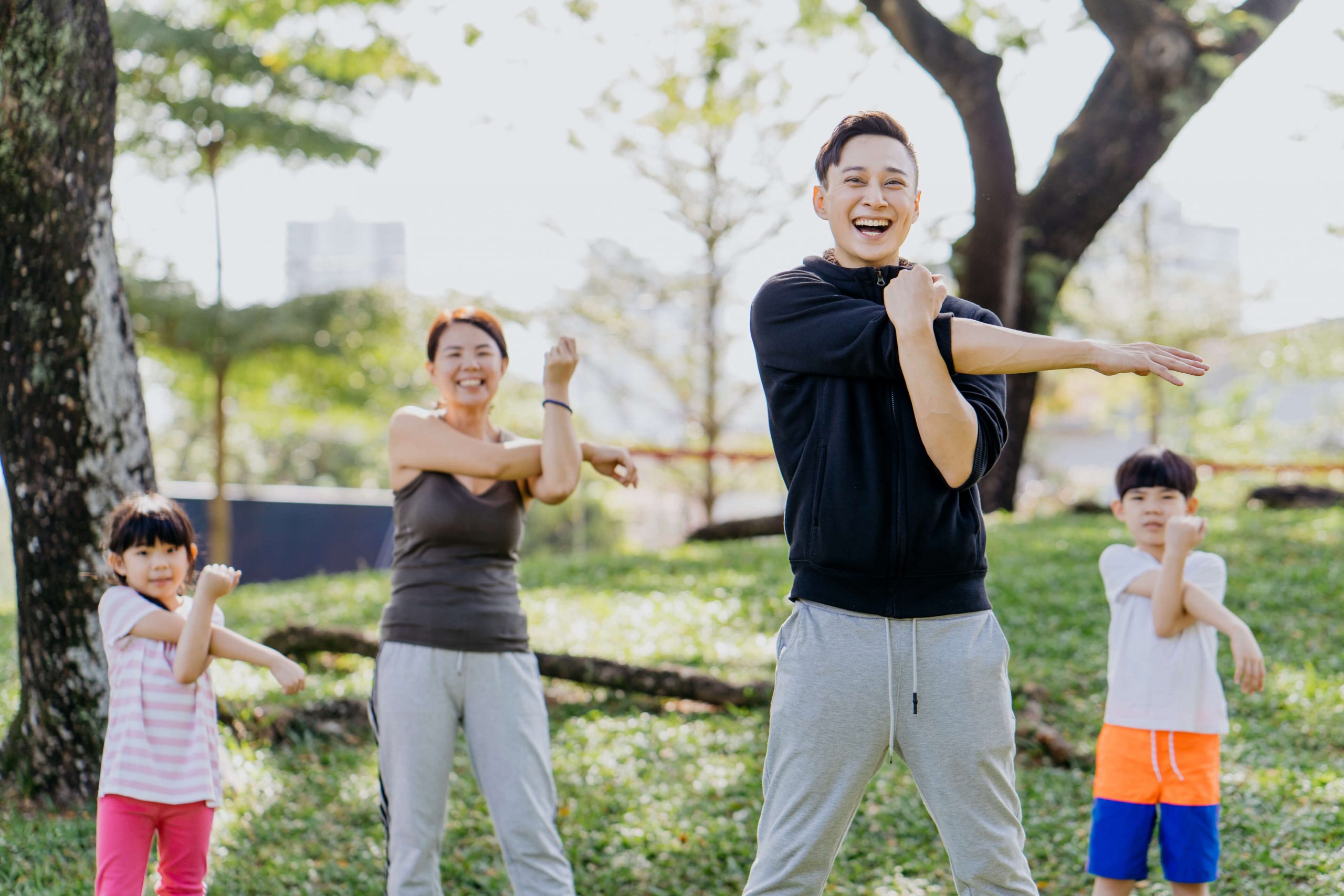
I recommend the following exercises as part of a dynamic stretching routine.

#1 Toe Taps

Standing tall, kick one leg up and touch your toes to the palm of your hand. Alternate between your left and right leg and repeat 10-15 times on each side. If you can’t reach all the way up to your hand, simply extend your leg as far as you can each time.

#2 Reverse Lunge And Hop

Step back with one leg and sink into a lunge position. Then swing the back leg forward until you raise your knee all the way up to where it forms a right angle to your chest. Maintain an upright body position and repeat on the other side. Perform 10-15 repetitions on each side.

#3 Standing Roll Downs

Stand with your feet about hip-width apart. Let your arms dangle. Slowly roll your head down your body as you bend forward until you reach your maximum distance without having to bend your knees. Ideally, you should aim to touch the ground with your palms. Slowly roll back up one vertebrae at a time. Repeat 10 more times.

#4 Sideways Leg Swing

While facing a wall or holding a handrail for support, swing one leg at a time from side to side in front of your other leg. Try not to let your torso rotate as you perform this stretch, and keep an upright body posture. Swing both legs 20 times each.

#5 Lateral Lunges

With your hands on your hips, take a big step to the side and perform a squat. Lean to that side while straightening out the knee of the opposite leg. Stick your butt back, keep your weight on your heels and keep both feet pointed straight. Then, switch sides and lean towards the opposite side, squatting down before stepping back up to the centre. Perform at least five steps to the left and five steps to the right.

Exercise And Weight Management

The benefits of a healthy exercise routine for weight management:

  • Reduces pressure on the knees
  • Reduces inflammation in the body
  • Reduces the risk of chronic disease
  • Lowers uric acid levels and the chance of gout arthritis
  • Slows down cartilage degeneration in osteoarthritic knees

When it comes to overuse injuries brought about by gradual wear and tear, one of the best things you can do for your knees in the long-term future is to lose weight. In fact, when it comes to arthritis, losing weight pays big dividends in terms of pain relief.

Medical researchers estimate that for every step you take, an additional force of 3 pounds is placed on your knees for every additional pound you gain. In other words, losing 10 pounds will result in 30 pounds less pressure per knee on every step. This difference is further amplified by the number of steps you take each day, with the average person taking around 5,000 to 6,000 steps a day. 5,000 steps and 10 pounds of body weight will generate 150,000 pounds of pressure on the knees each day, which makes for a staggering difference of 54 million pounds of pressure across one entire year.

This means that losing 10 pounds can make a difference of 54 million pounds of pressure applied on your knees each year.

Conclusion

The best way to deal with knee injuries is to stop them from happening in the first place. It’s time to start rethinking our training and the steps we take towards injury prevention. Think of avoiding injury as one of the main training objectives that you aim to achieve. Even if you’re not an athlete, you will still benefit from bulletproofing your knees. If symptoms persist despite preventive measures, consulting a knee surgeon Singapore can help identify underlying issues and discuss treatment options.

Book Appointment

Fill up the form and we will get back to you soon!

    Synergy Orthopaedic Group

    July 2021

    Here’s What You Need To Know

    Shoulder injuries can be caused by a myriad of reasons, ranging from athletic activities to everyday tasks. This may include overhead movements that involve repetitive motions found in sports such as weightlifting, swimming, and a host of racquet sports. Everyday tasks such as household chores, plumbing, or gardening can similarly expose you to the risk of overuse shoulder injuries.

    Additionally, shoulder injuries can arise from accidents that inflict trauma upon your shoulder joint. You may experience broken bones or soft tissue damage, and in some cases, a combination of both.

    But this doesn’t mean you should avoid sporting or outdoor activities. In fact, you should seek out injury prevention strategies that can help minimise your risk of injury.

    Types Of Shoulder Injuries

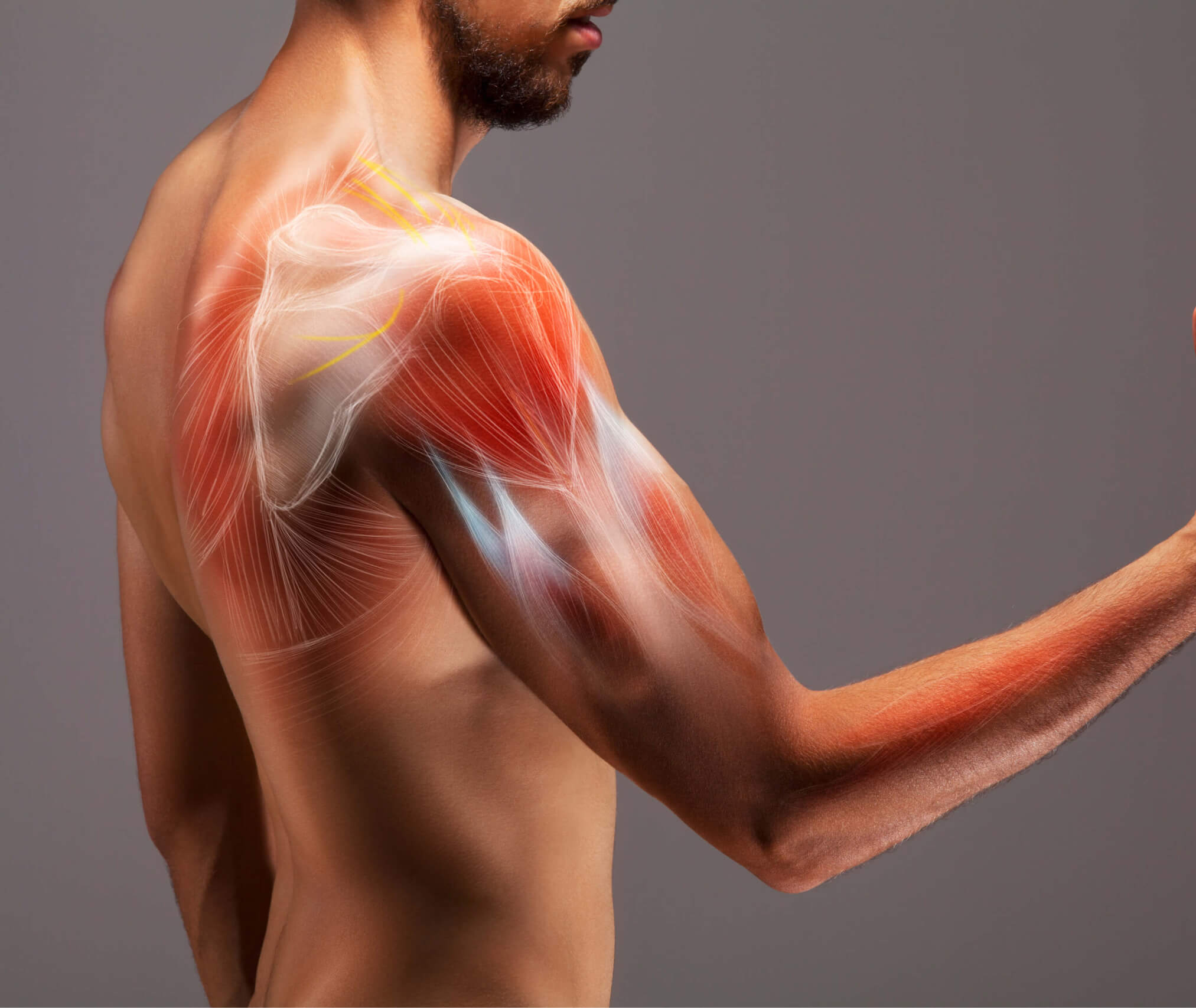
    To understand the different types of shoulder injuries, we first have to examine the shoulder joint to understand how injuries can occur. You should know that the shoulder is the most mobile joint in the human body, consisting of numerous muscles and tendons which hold the shoulder bones in place. These ligaments are also responsible for stabilising arm movement.

    To obtain a better picture, let’s take a closer look at the shoulder.

    Firstly, the bursa is a gel-filled sac that sits across the shoulder joint, providing protection for the surrounding tendons and muscles. When the bursa in the shoulder becomes inflamed, it can cause a great deal of pain. Shoulder impingement syndrome or rotator cuff problems may also arise from bursitis.

    Secondly, the shoulder is a ball and socket joint whose wide surface area predisposes itself to the possibility of injury. Prolonged trauma exerted on the shoulder can lead to the formation of scar tissue. Other various dysfunctions in movement patterns may also develop over time. There are also degenerative conditions, such as arthritis, which arise due to wear and tear of the joint.

    Thirdly, the shoulder joint itself contains a piece of cartilage known as the labrum. The labrum can become torn or strained during impact injuries, which affects the shoulder’s full range of motion. Shoulder dislocations, for example, can result in labral tears that require reconstructive surgery.

    Fourthly, the tendons connecting the bicep and deltoid can also experience tendonitis, leading to joint pain.

    Lastly, ligament tears or strains may also occur within the acromioclavicular joint (AC joint) due to traumatic injuries.

    One thing to note is that most sports place physical demands on the shoulder joint, which is susceptible to injury owing to its remarkable mobility. The shoulder structure itself is not as stable as joints in the legs and hips, making the shoulder much more vulnerable to injury. As mentioned earlier, this shouldn’t scare you away from your favourite sporting activities.

    Nevertheless, it is important to understand how these injuries come about. Read on to find out more…

    Shoulder Dislocation

    A dislocated shoulder occurs when the upper arm bone is displaced from the cup-shaped socket of your shoulder joint. This injury is common given that the shoulder is the most mobile joint in the body. Unlike other joints, it is more susceptible to dislocation.

    Note that a shoulder subluxation, which happens when the shoulder dislocates partially but immediately goes back into the socket, is a type of dislocation.

    Causes

    Shoulder dislocations can either be anterior or posterior. For the vast majority of cases, dislocated shoulders arise due to trauma from direct force or impact on the shoulder. In some cases, patients may also experience a sudden forceful movement that destabilises and overwhelms the joint, leading to dislocation.

    This can occur in contact sports such as American football, rugby, basketball, soccer, and water polo due to trauma inflicted from a collision. It can also happen from an accident where there is a forceful and direct impact on the shoulder, such as tripping and falling from a ladder.

    Anterior dislocations make up 97% of shoulder dislocations. However, the shoulder may not always fully dislocate. In some cases, you may experience a partial dislocation, known as a shoulder subluxation. This occurs when the head of the upper arm bone only partly disconnects and pops back into the socket by itself.

    Symptoms

    The symptoms for a dislocated shoulder include:

    • Visibly displaced or out-of-position shoulder
    • Bruising of the shoulder
    • Inflammation and swelling
    • Intense pain
    • Limited movement of the arm

    Rotator Cuff Injuries

    The rotator cuff is made up of a group of muscles and tendons which help to stabilise the shoulder joint, supporting regular movement function. Pressing and pulling movements, for example, involve the use of the rotator cuff to stabilise and move the joint.

    The common types of rotator cuff injuries include tendinitis, bursitis, rotator cuff strains, and rotator cuff tears.

    Causes

    Not all rotator cuff injuries are equal, as some may be more severe than others. They generally fall into one of three categories.

    Rotator cuff strains (less severe) or rotator cuff tears (more severe) can be caused by two reasons: overuse injury over time or the sudden onset of acute injury. When this happens, the tendons connecting the shoulder muscles to the shoulder blade can overstretch and become strained or torn, resulting in sharp pain.

    Tendinitis is a type of rotator cuff injury caused by overuse of the rotator cuff, leading to inflammation and pain in the shoulder. Racquet sports and activities such as weightlifting which require overhead movements can cause this injury.

    Another common type of rotator cuff injury is bursitis, which is caused by repetitive motions such as a pitcher throwing a baseball over and over. Spending an extended period of time in uncomfortable positions that put pressure on your shoulder can also cause bursitis.

    Symptoms

    Common rotator cuff injury symptoms include:

    • Inability to achieve full range of shoulder motion
    • Pain when sleeping on the affected shoulder
    • Pain when attempting to reach overhead
    • Weakness of the affected shoulder
    • Difficulty in reaching around the back

    It is important to note that not all rotator cuff injuries cause pain, as some are the result of long-term degenerative conditions that may not be apparent until years later.

    Shoulder Impingement Syndrome

    Unlike other shoulder injuries that occur from an immediate traumatic sports accident, shoulder impingement syndrome usually develops over a period of time. It is also commonly referred to as shoulder tendinitis.

    Shoulder impingement syndrome is one of the most common culprits of persistent shoulder pain, and can greatly affect everyday activities. Even simple tasks such as reaching to scratch your back or reaching overhead to close the curtains can be a cause of pain.

    Over time, if left untreated, the shoulder joint may slowly worsen and the tendons may begin to thin or even tear.

    Causes

    Most cases of shoulder impingement are caused by overuse. This is common among sports athletes and powerlifters, as repeated use of the shoulder in the gym can result in the shoulder tendons swelling. Other sports which require heavy lifting or repetitive overhead arm movement can similarly cause shoulder impingement over time.

    Occupations such as construction work, warehouse packing, and painting can also predispose workers to shoulder impingement. Initially, the pain you experience may not be significant enough to warrant attention. However, it will gradually worsen over time if left unchecked.

    Symptoms

    The symptoms include:

    • Slight albeit persistent pain in your shoulder
    • Pain that runs from the anterior shoulder to the side of your upper arm
    • Pain that worsens at night
    • Weakness in the affected shoulder or arm

    Frozen Shoulder Injuries

    Frozen shoulder is a condition characterised by stiffness and pain in your shoulder joint, resulting in a reduced range of motion. In some extreme cases, the shoulder becomes increasingly difficult to move, almost as if it has become ‘frozen’. It is also known as adhesive capsulitis.

    The good news is that frozen shoulder is one condition that tends to heal by itself over a long period of time. However, physical therapy and rehabilitation exercises will help to speed up the recovery process and improve overall shoulder health.

    Causes

    Doctors and medical researchers do not fully understand the causes of frozen shoulder. More accurately, there has been no established connection between overuse of a dominant arm or a specific occupation which predisposes you towards developing a frozen shoulder. However, there are a few factors that may increase your risk of developing the condition.

    For one, frozen shoulder occurs more frequently in patients diagnosed with diabetes. The exact reason for this is unknown, but diabetic patients who develop frozen shoulder usually tend to experience greater stiffness that persists for a longer period of time. Several other diseases have also been associated with the increased likelihood of developing frozen shoulder. They include hyperthyroidism, hypothyroidism, cardiovascular disease, Tuberculosis, and Parkinson’s disease.

    Another cause is long-term immobilisation of the shoulder due to recovery from surgery, fracture, or soft tissue injury. If you have experienced prolonged immobility, such as having your arm kept in a cast, you will be at a higher risk of developing a frozen shoulder.

    Symptoms

    The symptoms include:

    • Pain and stiffness in the shoulder
    • Difficulty in moving the affected arm
    • Dull ache in the affected shoulder
    • The sensation of the pain in your shoulder muscles wrapping around the top of your arm bone

    Frozen shoulder typically develops in three stages, with each lasting as long as a couple of months. The first is the freezing stage, where the pain is first experienced. The second is the frozen stage, where your shoulder becomes stiffer. The third is the thawing stage when your shoulder joint’s range of motion slowly becomes restored.

    Shoulder Fractures

    Fractures are essentially broken bones. Shoulder fractures occur as a result of trauma to the shoulder joint.

    The types of shoulder fractures include:

    • Clavicle fractures
    • Humerus fractures
    • Scapula fractures

    In cases such as traumatic accidents from contact sports, a shoulder can suffer both broken bones and soft-tissue damage. For example, a fracture on top of a torn ligament.

    Causes

    The most common cause of a shoulder fracture is a fall which results in trauma being inflicted directly onto the shoulder. Collisions from contact sports or road accidents can also cause shoulder fractures.

    Symptoms

    The symptoms include:

    • Intense shoulder pain
    • Swelling or bruising in the shoulder area
    • Tenderness or redness
    • Shoulder instability
    • Tingling sensation in the hand or arm
    • Your shoulder looks visibly out of place or has a bump

    Shoulder Contusions

    A shoulder contusion, also known as a shoulder bruise, is a mild shoulder injury that can arise due to a direct blow to the shoulder joint.

    Although a shoulder contusion can be the cause of temporary discomfort, it’s an injury that usually goes away by itself. As long as you don’t have any broken bones, this injury will take anywhere from a few days to a few weeks to heal. In more severe cases, shoulder contusions might be treated with a sling to immobilise the arm.

    Causes

    Shoulder contusions happen when a direct blow or repeated blows strike the shoulder area, damaging the muscle fibres and connective tissue under the surface of the skin. Contusions are most typically the result of sports-related injuries, especially in sports such as American football, rugby, basketball, lacrosse, basketball, and baseball.

    Symptoms

    The symptoms include:

    • Pain around the shoulder joint
    • Ecchymoses (‘blue-black’ bruising) at the affected area
    • Inflammation and swelling around the shoulder

    Injury Prevention Strategies

    Given the prevalence of shoulder injuries, it can be incredibly frustrating for athletes and those who lead a physically active lifestyle. Unfortunately, shoulders that have been injured before are more likely to become injured again.

    For this reason, it is important to identify small pains and aches instead of ignoring them until they become a problem. You have to recognise that pain is your body’s indication that something is wrong, possibly due to bad form, muscle tightness, strength imbalance, amongst other problems.

    Beyond that, it is also paramount to preemptively lower your risk of injury through certain injury prevention techniques. The emphasis here is to take proactive steps to prevent injury before it can happen, focusing on prehab rather than just rehab work.

    If done right, you should be able to improve your overall shoulder health, thereby minimising the likelihood of injury.

    Targeted Strength Training

    The targeted shoulder strength training referred to in this section is not your regular full-body strength training. Rather, it is specifically targeted at the muscles which are responsible for keeping your shoulder joint stable.

    The important muscle groups that you should target include:

    • Deltoids (anterior and posterior shoulder)
    • Trapezius muscles (below neck area)
    • Rhomboid muscles (upper back)
    • Teres muscles (supports the shoulder joint)
    • Supraspinatus (supports the shoulder joint)
    • Infraspinatus (supports the shoulder joint)
    • Subscapularis (front of shoulder)
    • Biceps (front of the upper arm)
    • Triceps (back of the upper arm)

    Most of the shoulder joint’s stability and movement is dependent on the small rotator cuff muscles which surround the shoulder joint. While compound exercises in the gym provide many strength benefits, they fail to provide adequate activation of the smaller stabiliser muscles. In other words, exercises like the barbell row will work the trapezius and rhomboids significantly but do not do a good job of activating the supraspinatus and infraspinatus muscles.

    It is important not to neglect the small stabiliser muscles in the shoulder joint, as they are essential in preventing injuries. Exercises that target these areas have been incorporated into physical therapy programs, which are also often used for rehabilitation after injuries. This is because the key to keeping your shoulder strong and flexible is with exercises that target these small yet important muscles.

    Examples of exercises that target the stabiliser muscles include:

    • Lateral Arm Raise: isolates the supraspinatus muscle
    • Banded External Rotation: targets the infraspinatus and teres minor
    • Banded External Rotation with Arm Abducted at 90 degrees: targets the infraspinatus and teres minor
    • Banded Internal Rotation: targets the subscapularis
    • Bent-Over Horizontal Abduction with Dumbbell: works the infraspinatus, teres minor, and posterior deltoid

    Correct Poor Posture And Muscular Imbalances

    Having poor posture may seem harmless, but did you know that poor posture can lead to shoulder instability? In fact, poor posture can lead to many shoulder problems such as shoulder impingement.

    For athletes and gym-goers, in particular, poor posture is often exacerbated by muscle imbalances due to a greater emphasis placed on pressing movements such as the bench press and overhead press. When back development is neglected, this can become problematic.

    Fitness enthusiasts should therefore aim to have a balanced push/pull training program, thus preventing muscular imbalances from developing. What we often see in most athletes is the over-emphasis on pressing movements while neglecting pulling movements, which commonly results in internally rotated shoulders, also known as rounded shoulders.

    Rounded shoulders are one of the most common postural alignment problems that people suffer from. Not only do they look unsightly, but they also put our shoulder joints at risk. Rounded shoulders, if left untreated, can also get worse over time. Consequently, bad postural habits will also influence your movement, which in turn poses a higher risk of a shoulder injury.

    For that reason, it is crucial to resolve the imbalance of tension between the muscles which pull your shoulder blades forward and the muscles that pull your shoulder blades backwards. Having good posture will go a long way when it comes to shoulder injury prevention.

    Mobility And Flexibility Work

    Most people underestimate the importance of good flexibility and mobility without realising how greatly they can reduce the risk of experiencing shoulder injuries. But first, you should know that they are two different things; flexibility is the ability of a muscle to lengthen passively while mobility is the ability of a joint to move through a range of motion.

    When it comes to shoulder injury prevention, optimising your shoulder joint’s flexibility can help the ball of the shoulder joint stay centred throughout the entire range of motion for an arm swing. If the shoulder capsule is tight and lacks mobility, a sudden movement that sends your arm reaching overhead could result in injury. Although tightness in the tendons surrounding the shoulder joint may seem harmless, they ultimately contribute to the micro-instability of the joint.

    In particular, there are two areas of the shoulder joint in which reduced flexibility and mobility can be particularly problematic. The first is the humerus, which is meant to freely move about the shoulder socket. If you suffer from shoulder mobility issues, this will impede the range of flexion, extension, internal rotation, and external rotation movement. The second is the rotator cuff, which requires flexibility of the rotator cuff muscles for freedom of movement.

    In essence, having good flexibility and mobility are important for achieving a healthy range of motion at the shoulder joint. Beyond just preventing injuries, having good shoulder mobility will also carry over to greater performance in the gym or out in the field.

    Myofascial Release

    Strengthening your stabiliser muscles and improving your postural alignment can provide a good foundation for avoiding shoulder injuries, but mobility exercises and static stretches can sometimes be insufficient for releasing tightness in the shoulder.

    Here is where self-myofascial release (SMR) techniques come in. Myofascial release can help to effectively release tension in the muscles surrounding the shoulder joint. For the longest time, it was thought that static stretching of each individual muscle group post-exercise was the best strategy. But recent medical research has identified new techniques and approaches to physiotherapy, rebuilding the whole concept of mobility training.

    When it comes to SMR or soft tissue work, your goal is simply to relax or “wind-down” certain muscle groups that are overactive or unnecessarily restrictive. This involves the use of foam rollers as well as lacrosse balls and applying deep, slow, and consistent pressure. These techniques can be immensely helpful for resolving shoulder mobility issues and impaired movements. Furthermore, they also help to alleviate pain due to tight muscles and fascia.

    Overall, SMR techniques are designed to relieve knots, stiffness, and pain. This not only helps to prevent tightness but also restores your full range of motion, thereby reducing the risk of injury when playing sports. This is particularly useful to athletes who are experiencing slight pain or discomfort, as soft tissue work will help to clear up mobility problems in their shoulders which may otherwise lead to impaired movement and eventual injury.

    In Conclusion

    The first step towards shoulder injury prevention is to simply get started. Now that you’re aware of the different strategies which can help lower your risk of injury, you should make improving your overall shoulder health a priority. Even small habits such as practising good posture or stretching daily can go a long way.

    Do not be discouraged if you take some time to see progress because good mobility and flexibility do not happen overnight. In all likelihood, it took you many years of poor posture for your shoulder health to deteriorate to where it is now. Similarly, it will take some degree of effort to restore your natural postural alignment and a full range of motion.

    Until then, enjoy the process of bulletproofing your shoulders.

    Book Appointment

    Fill up the form and we will get back to you soon!

      Synergy Orthopaedic Group

      July 2021

      Best Ways To Safely And Effectively Improve Shoulder Mobility

      The shoulder is one of the most important joints in our body, thanks to its unique and complex anatomy structure. With its extensive range of motion, the shoulder joint is also the most mobile joint in the entire body. 

      However, despite possessing the amazing gift of mobility, the stability of the shoulder is often compromised. As such, the shoulder is also the most vulnerable to injuries. Fortunately, shoulder mobility can be improved with the correct methods, which can significantly reduce shoulder damages such as dislocations.

      Read on further to find out more!

      Here’s What You Need To Know…

      You may often hear the words flexibility and mobility being tossed around interchangeably. True enough, even the dictionary thinks that these two words are synonymous with each other. However, flexibility and mobility are actually two different things, albeit being slightly related.

      Flexibility is the ability of a muscle to lengthen passively, whereas mobility is the ability of a joint to move actively through a controlled range of motion. Still confused? To put it simply, flexibility is a ‘component’ of mobility; mobility requires flexibility. However, just being flexible is not enough. You will also need muscular strength, coordination and stability to actively manipulate your joints.

      Without proper control of your muscles and joints, you may still be able to pull off specific movements successfully. However, you may sustain injuries due to the lack of proper control of your muscles and joints.

      Furthermore, it is common for our shoulder mobility and flexibility to decrease as we age. You will likely realise this decline around the middle age mark, which will become more and more apparent as you grow even older. In fact, according to a 2013 study from the Journal of Aging Research, adults between the ages of 55 to 86 will likely experience a decrease in flexibility of the shoulder by an estimated 6 degrees every 10 years. This is primarily due to your bones solidifying and muscles tightening with age. 

      Prolonged and poor sitting postures can also lead to shoulder damage such as shoulder impingement. When you slouch or hunch your shoulders, the space at the top of your shoulder bone (subacromial area) narrows, leading to less space for the muscle tendons. This may result in the muscle tendons becoming pinched.

      Shoulder mobility issues also commonly occur amongst athletes and weightlifters, who often undergo repeated overhead, swinging and pressing movements. These movements place significant strain on a shoulder joint called the acromioclavicular (AC) joint, resulting in significant shoulder injuries.

      Introducing The Shoulder Joint

      To deal with shoulder mobility issues, you must first understand how these problems develop. As the shoulder has a complex anatomy structure, it helps to recognise the different components and functions of the shoulder.

      Anatomy Of The Shoulder

      The shoulder consists primarily of three bones—the upper arm bone (humerus), shoulder blade (scapula) and the collarbone (clavicle). These bones provide the fundamental support and structure for the various joints and ligaments that form the shoulder.

      The shoulder is also made up of four main joints: the glenohumeral, sternoclavicular, scapulothoracic, and acromioclavicular joints. Out of these four joints, the glenohumeral joint, more commonly known as the shoulder joint, is the most vital part of the shoulder.

      The shoulder joint is a ball-and-socket joint that attaches the head of the humerus to the rounded shallow socket (glenoid) of the scapula. It is the most mobile joint in the shoulder.

      Apart from the various shoulder joints, the shoulder is also surrounded by many muscles and tendons, mainly the deltoids, biceps and rotator cuff. These muscles are in charge of supporting and controlling regular shoulder movements by allowing your arms to extend and rotate in multiple directions and angles. Additionally, the rotator cuff, which is a group of muscles and tendons surrounding the shoulder joint, helps secure the humerus to the socket of the scapula. This complex anatomy structure of the shoulder provides both mobility and stability.

      However, even though the shoulder joint is highly flexible, it can also develop poor mobility due to various circumstances.

      What Causes Our Limited Mobility

      There are many causes of limited shoulder mobility, including the following:

      • Inactivity. A sedentary lifestyle is one of the most common causes of limited shoulder mobility. This is because a lack of activity will cause the shoulder muscles to tighten, reduce the stability of the joints and significantly restrict movement.
      • Poor posture. Poor standing or sitting postures can lead to internal rotation of the shoulders. As a result, the humerus bone will shift slightly and will be in a displaced position in the shoulder socket. This can contribute to shoulder damage such as impingement, resulting in potential swelling and inflammation.
      • Instability. Instability of the shoulder is often a result of muscle imbalances due to unequal forces acting on both sides of the shoulder. This is common in athletes involved in sports that require more movement on one side of the body, such as baseball or cricket.

      Alternatively, improper techniques performed during strenuous exercises can also promote internal rotation of the shoulders and hence create muscle imbalances. This may place significant strain on muscles such as the rotator cuff, resulting in shoulder mobility issues and injuries. In more severe cases involving tendon tears, rotator cuff repair Singapore may be required to restore shoulder function and stability.

      Why You Should Be Concerned About Poor Shoulder Mobility

      Now you know what leads to poor shoulder mobility, the question is, why should you be concerned about it?

      The reason is simple. Poor shoulder mobility can result in:

      Higher Risks Of Injury

      When your shoulders lack mobility, they will also lack muscular strength, coordination and stability. As such, you may not appropriately activate the intended muscle groups or attain the optimal range of motion when performing certain exercises. This leads to dysfunctional movement patterns as other assistance and stabiliser muscles have to overcompensate, forcing them to be activated more. 

      When this occurs, it may place unnecessary stress on other muscles and joints, drastically increasing your susceptibility to injuries.

      Potentially A Sign Of Muscular Imbalance

      Poor shoulder mobility is also usually symptomatic of other hidden problems such as muscular imbalances or poor postural alignment. These issues may not be apparent from the start, but they are causes of concern.

      Muscular imbalance arises when a group of muscles are stronger than the other due to improper techniques or repetitive movements when performing specific exercises. For example, your form may be incorrect when exercising, resulting in you training unintended muscle groups instead of the primarily targeted group. Alternatively, when you hold a specific posture for prolonged periods, you may also cause a muscle group to work harder than the rest. All these may result in limited mobility and range of motion.

      How To Improve Shoulder Mobility

      After knowing the causes and effects of poor shoulder mobility, the next step is to understand how to improve shoulder mobility. 

      Here are some ways:

      Perform Diagnostic Tests

      To improve shoulder mobility, you will first need to understand your shoulder limitations to determine which areas you should work on.

      A diagnostic test is the most common and direct method to identify mobility issues. Most of these tests are performed in conjunction with imaging tests such as an x-ray or ultrasound to detect and clarify the results of a physical examination.

      Some of these tests may include:

      • Neer Test. For this test, a physical therapist will stand behind you and press down on the top of your shoulder. They will then rotate your arm towards your chest and raise your arm as high as possible.
      • Hawkins-Kennedy Test. Your physical therapist will position your elbow to a 90-degree angle and raise it to your shoulder level while you are seated down. They will then place their arm below your elbow before pressing down on your wrist to rotate your shoulder.
      • Yocum Test. You will be instructed to place one hand on your opposite shoulder and attempt to raise your elbow without moving your shoulder.

      These tests are designed to detect any signs of pain and determine the exact location of the pain. A painful reaction when carrying out the exercises is usually a positive indication of a shoulder mobility issue.

      Self Myofascial Release Techniques

      Self-myofascial release techniques involve applying pressure to target tight muscles and fascia (a protective membrane that protects your muscles and other organs in your body) to reduce pain. These techniques, when applied correctly, can effectively resolve shoulder mobility issues. However, the reverse is also true. If done improperly, it can also aggravate the problem, causing greater pain.

      Some of these techniques may include:

      • Deltoid rolls. This involves placing a foam roller between your shoulder and a wall. Position your hips to align with the wall and slowly move until you feel tightness. Proceed to move up and down using your body weight until the pain dissipates slightly. Repeat with your other shoulder.
      • Neck rolls. Lie down on your back with the foam roller under your neck. Next, tilt your chin to one side and gently move up and down. Repeat this process with the other side of your neck.
      • Lats roll. Lie on the floor with the foam roller placed under the back of your armpit. Gently rotate your body until your chest faces the floor and then slowly rotate back up. Repeat this process several times before changing sides.

      Stick To A Shoulder Mobility Routine

      A structured shoulder mobility routine can also considerably improve your shoulder mobility by fixing tight shoulders and correcting improper body posture. The routine should also be comprehensive and involve all related components of the shoulder, including the area from your mid-back to neck (thoracic spine) and lower back.

      As everyone may experience issues in different areas, there isn’t a one-size-fits-all training programme. 

      However, there are various effective exercises you can include in your routine, including the following:

      • Quadrupled shoulder overhead reach. This exercise will enable you to control your lower back (lumbar spine). Start with both hands and knees on the floor, with the hands beneath your shoulders and knees beneath your hips. Push into the ground to spread your shoulder blades (scapula). Next, put your lower back into a neutral position by arching and tucking. With this neutral position and scapula still extended, stretch one arm outwards and slowly reach overhead, rotating your thumb towards the ceiling. Perform a few repetitions before changing sides. Ensure that your scapula does not sag throughout the exercise, and you do not rotate your body (remain in a neutral position)
      • L-arm stretch. This exercise stretches your rotator cuffs and the back of your shoulder. Begin by lying on your stomach and place one arm by your side. Extend your other arm across your chest with your palms facing upwards. Ensure that you do not shrug your shoulders towards your ear as much as possible. Using your shoulder muscles, pull your chest towards the floor to stretch the shoulder capsule and hold for several seconds. Perform a few repetitions before changing sides.
      • Open book. Your thoracic spine will be actively stretched with this exercise. To start, lie on a side and extend both arms in front of you. Next, bring your top hand towards the ceiling and stretch it all the way to the floor on your other side. Your head should follow the motion of the hand. Perform a few repetitions before switching to the other side. Ensure that your hips remain still throughout this motion.

      However, to improve shoulder mobility, it is insufficient to do these exercises only once. You have to perform them consistently to see progress.

      Best Practices For Staying Injury Free

      Improving your shoulder health and staying injury-free will help with shoulder mobility and vice versa. If you sustain an injury due to poor shoulder mobility, you may become sidelined for months at best. This may also result in inactivity and a possible further reduction in mobility.

      As such, following the best practices below can go a long way towards an injury-free body.

      Prehab Exercises

      Performing physical therapy exercises even if you are not injured may seem counterintuitive to many people. However, prehab or preventive rehabilitation exercises are vital even if your shoulder is in good health, as they can dramatically reduce the risks of injuries and pain.

      As such, do not wait until you are injured before you have to do rehabilitation work, as the damage would have already been done.

      However, keep in mind that prehab exercises are not warm-ups you do before an exercise. Prehab exercises are designed to be performed regularly and consistently about 2 to 3 times per week. These exercises need to be individualised and tailor to your specific weakness.

      Perform Dynamic Warm-Ups Before Exercising

      One of the best ways to reduce the risk of injury is to perform warm-ups before a workout. There are generally two types of warm-ups: Static stretching and dynamic stretching. 

      For a long time, static stretching has been regarded as a vital pre-workout warm-up. However, warmups have since evolved as people are now more equipped with the knowledge of what our body requires to perform an action optimally and safely. As such, an even more appropriate warm-up now is the dynamic warm-up.

      A good warm-up routine should include dynamic exercises (cardio) such as squats, burpees or push-ups as it increases your heart rate and loosens up your muscles. These warm-up exercises will allow your muscles and joints to become activated to tolerate the intensity required during the workout. Furthermore, dynamic warmups should also be tailored specifically to the type of exercise or sport you will be performing, as well as focus on engaging several muscle groups together. 

      However, that does not mean that static stretching is not essential. It is still paramount to stretch, but only after the workout as it is the most effective. Stretching reduces muscle tension and loosens up your muscles after an exercise, which helps to prevent the risk of injuries.

      Conclusion

      Poor shoulder mobility may not be an urgent cause for concern initially, as the red flags may not be apparent (it may start as a simple case of difficulty raising the arms above your head). You may even ignore this signal and pass it off as a one-time or temporary occurrence.

      However, poor shoulder mobility may result in more severe repercussions if not improved. If stiffness, pain, or restricted movement persists despite conservative measures, consulting a frozen shoulder doctor Singapore can help identify the underlying cause and guide appropriate treatment. It is thus vital to understand the cause of your shoulder mobility and learn how to improve it to reduce the risks of injuries.

      Book Appointment

      Fill up the form and we will get back to you soon!

        Synergy Orthopaedic Group

        July 2021

        A Complete Guide To ACL Tears By An Orthopaedic Surgeon (2021)

        What does the ACL do?

        The ACL, which stands for Anterior Cruciate Ligament, is one of the most important ligaments in your knee. It is located in the middle of the knee, attaching the shinbone to the thigh bone. The primary function of the ACL is to provide stability to the knee by preventing the shin bone from sliding forward and twisting excessively.

        What is an ACL tear?

        An ACL tear is a rupture of the ligament tissues connecting the shinbone and the thigh bone.

        There are three main types of ACL tear of the ligament fibres:

        • Stretched but not torn (First-degree)
        • Partially torn (Second-degree)
        • Completely torn (Third-degree)

        How does an ACL tear occur?

        An ACL tear is one of the most common knee injuries and typically occurs when there is a sudden forceful change in movement and direction of the knee joint or when a considerable load falls onto the knee. Both of these situations will lead to excessive pressure placed on your knee joint, resulting in a potential ACL tear. Examples include a sudden change in direction while running, falling or any vigorous activities that require a sudden pivot, such as rugby or basketball.

        How can I tell if I have an ACL tear?

        An ACL tear can be determined from the following common symptoms:

        • A loud popping or snapping sound
        • Sharp pain in the knee when moving
        • Rapid swelling in the knee
        • Difficulty fully bending and straightening the leg
        • The feeling of instability that the knee may give way

        The above symptoms are indications that you may have an ACL tear. Alternatively, a key tell-tale sign is when the pain experienced is so severe that it impedes your daily activities and movements to a large extent.

        Diagnosis

        How will the doctor diagnose my injury?

        If you are experiencing any of the tell-tale signs, you should probably visit a doctor. Your doctor may first discuss your symptoms and then conduct a physical examination of your knee by placing it into various positions to test its range of motion. They may also compare your injured knee with your non-injured knee, a common and straightforward way to determine if there are any complications.

        Your doctor may also use further imaging tests such as X-ray, MRI scan or Ultrasound to determine the severity of your injury and identify any other damages in your knee. In some cases, if your cause of knee pain is still unknown, your doctor may also use knee arthroscopy, a minimally invasive procedure, to study your knee.

        These diagnostic tests will help your doctor conclude if your knee injury is an ACL tear and eliminate other potential injuries such as a bone fracture or a meniscus tear.

        Do I need to treat an ACL tear?

        Most doctors and specialists will likely recommend treatment for your torn ACL through surgery or rehabilitation. Your pain and swelling may become less severe over time, but a torn ACL can still cause instability in your knee in the long run. A severe ACL tear does not usually heal on its own as the blood flow to the ligament deteriorates when torn.

        Treatment

        What are the treatment options available?

        There are generally a few options available to treat an ACL tear, depending on your age, level of physical activity, and the severity of the tear. The initial stage will generally include an appropriate amount of rest and physiotherapy to reduce pain and swelling. Suppose you are relatively physically inactive, and your tear is a less severe first-degree tear (ligament fibres are stretched but not torn). In that case, proper rest and physiotherapy are usually sufficient to regain the primary function of the knee.

        However, in many cases, surgery is usually recommended. Your physiotherapist may suggest simple rehabilitative stretching and strengthening exercises before the surgery to allow the knee to regain its range of motion and strength slowly. This will speed up the recovery process after the surgery.

        Should I undergo ACL reconstruction surgery?

        An ACL reconstruction surgery is a medical procedure whereby a doctor completely replaces your torn ACL with a replacement tissue, also known as a graft.

        In many cases, an ACL reconstruction surgery is recommended if:

        • You are physically active and frequently engage in moderate to vigorous exercises.
        • The partial or complete ACL tear is disrupting your daily activities to a large extent (Second or third-degree tear)

        Pros and Cons of ACL reconstruction surgery

        Pros:

        • Stability in your knee
        • Regain full function of the knee and allow you to continue with your daily activities without difficulties
        • Reduce risks of other knee problems such as arthritis

        Cons:

        • Lengthy recovery period and rehabilitation
        • Risks and costs of ACL reconstruction surgery

        ACL reconstruction surgery costs

        The costs of an ACL reconstruction surgery can be quite costly as it is a major surgery.


        Without health insurance, ACL reconstruction surgery can typically cost anywhere from $15,000 to $50,000. This will depend on a number of factors which include the surgeon’s fees, the anaesthesiologist’s fees, and the hospitalisation fees along with other miscellaneous expenses such as implants used. Should you wish to find out more, please check with your own healthcare providers or hospitals directly.

        In general, the cost of an ACL reconstruction operation in public hospitals is much cheaper than in private hospitals. However, for public hospitals, you may be required to wait several months before your surgery compared to private hospitals. As such, the choice of a public or private hospital will largely depend on costs and waiting time.

        How to find the best orthopaedic surgeon?

        Any orthopaedic surgeon who possesses the necessary training and prerequisites can perform an ACL reconstruction surgery.

        Ideally, your surgeon should also be physically active as they can then understand your situation and concerns better. However, any skilled and experienced orthopaedic surgeon who has high success stories is sufficient. Alternatively, you can ask your friends or family members for any recommendations through word-of-mouth.

        What happens before the surgery?

        At this stage, you may have already found an appropriate orthopaedic surgeon for your ACL reconstruction surgery. Before the surgery, your surgeon will likely discuss the graft (a replacement tissue) that they will use to replace your ACL. This graft is commonly taken from the hamstring tendons at the back of your leg. If there are no suitable replacement tissues, in certain situations, tissue from a donor, usually deceased, can also be used.

        What to expect during the surgery?

        After discussing which graft to be used, your knee surgeon will start to perform ACL reconstruction using knee arthroscopy, a minimally invasive procedure. During the surgery, your surgeon will first administer anaesthesia before making two small incisions at the front of your knee. A thin and flexible fibre-optic tool, also known as an arthroscope, will be inserted through this incision. Using the light and camera attached to the arthroscope, your surgeon can then inspect the ACL tear.

        A third longer incision is subsequently made inside your knee to ‘harvest’ the graft (hamstrings tendon). After which, the torn ACL is then removed and replaced by the graft.

        What types of follow-up are done after the surgery?

        After the surgery, a cold compress may likely be applied to reduce postoperative swelling. Some painkillers may also be prescribed to you to temporarily relieve any pain.

        Additionally, a physician will likely recommend you to wear a knee brace and to use crutches to aid in daily movements. They will also examine your knee for some time, at set intervals of a few weeks or months, to measure:

        • Any presence of persistent pain and swelling in your knee
        • Range of motion of your knee
        • Strength of your leg

        What possible complications should I be aware of?

        As with any invasive surgical operation, there are always risks of infection or bleeding. However, these cases are rare and not typically observed.

        The more common complications are continued loss of motion and pain in the knee. Nevertheless, the effects of these complications can be reduced through post-operative recovery and rehabilitation.

        ACL Surgery Recovery and Rehabilitation Process

        Post-operative care for an ACL reconstruction surgery

        While most patients are able to go home the day after their surgery, the recovery period from an ACL reconstruction surgery varies for each person. You should continue wearing a knee brace and using crutches to aid in your daily activities. Your physician will likely ask you to rest for the first few days after your surgery. During this period, you can use an ice pack or consume painkillers to alleviate pain or swelling. Additionally, it is recommended that you have someone at home to take care of you as well.

        Rehabilitation timeline following an ACL reconstruction surgery

        Most of your recovery time will come from the rehabilitation phase. For the first few weeks, your physical therapist will propose an exercise regimen, including simple stretching and strengthening activities, to help your knee regain its range of motion. The use of a knee brace and crutches are still applicable during this stage.

        From about the third week to a few months, you should be able to walk normally and regain a full range of movement and strength in your knee without using a knee brace and crutches. However, even though you may feel that you have regained full function of the knee at this phase, take note that the reconstructed ACL is still at the recovering stage and may still be vulnerable. Hence, ensure that you do not overdo your exercises and continue to be careful not to move your knee forcefully and abruptly.

        After around 6 to 12 months, upon examinations made by your physical therapist, light jogging and cycling should be able to resume. If you are an athlete, you can continue your sporting activities gradually. This is the stage when you will restore the advanced functions of your knee. Likewise, you should still be cautious not to place excessive pressure on your knee joint by avoiding sudden movements.

        Conclusion

        While an ACL tear can greatly affect everyday life, with proper and timely diagnosis, coupled with a compliant approach to rehabilitation, your knee will be able to regain full mobility and function. However, as the saying goes, “Prevention is always better than cure”. It is paramount that you take the necessary precautions to ensure that you do not place excessive strain on your knee joints. For example, when there is a need to pivot or stop when running, do not do so forcefully or suddenly. With that in mind, a reconstructed ACL will eventually function normally, and you will be able to continue your daily activities without difficulties.


        Book Appointment

        Fill up the form and we will get back to you soon!

          Synergy Orthopaedic Group

          back to top