
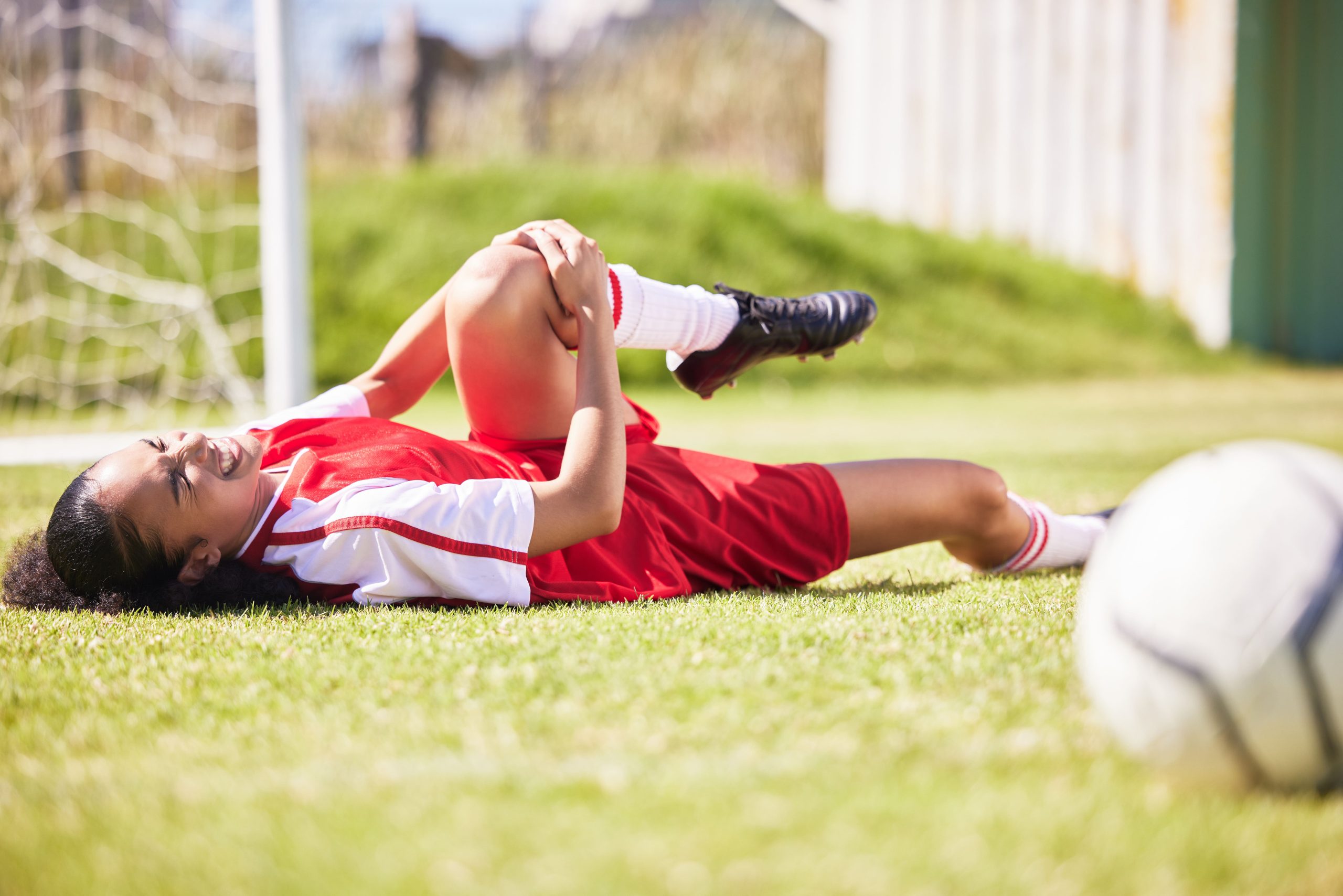
Whether you run along the park connector network, play recreational badminton, or train at the gym several times a week, sports injuries are a common experience for active people in Singapore.
Sports Injuries in Singapore
Singapore’s year-round warm weather and growing fitness culture mean that more people than ever are running, cycling, swimming, and playing team sports. An active lifestyle brings a real, if manageable, risk of injury.
Many people push through discomfort because they love their sport, do not want to lose fitness, or simply are not sure whether what they are feeling is serious. Knowing the difference between normal post-exercise soreness and a genuine injury, and understanding when to get it assessed, puts you in a stronger position to recover well.
What Counts as a Sports Injury?
A sports injury is any physical damage to muscles, tendons, ligaments, bones, or joints that occurs as a result of physical activity, whether during sport, exercise, or recreational movement. Sports injuries can happen suddenly or develop gradually over time, and they affect people of all fitness levels, not just competitive athletes.
Weekend warriors who play social basketball on Saturday mornings, gym-goers who increase their weights too quickly, and retirees who take up swimming for the first time may all be susceptible. What matters is not the level of sport but the demands placed on the body relative to its current capacity.
Acute Injuries
Acute injuries happen suddenly, usually as the result of a single traumatic event. A fall, a collision, a sudden change of direction, or an awkward landing can all cause an acute injury. You typically feel pain immediately, and symptoms such as swelling, bruising, or an inability to move the affected area may develop within minutes to hours. Examples include a twisted ankle, a torn knee ligament, or a dislocated shoulder.
Overuse Injuries
Overuse injuries develop gradually over weeks or months. They occur when repetitive stress is applied to a body part without enough time for recovery in between. Think of it like bending a paper clip back and forth repeatedly: each individual bend seems harmless, but the cumulative effect causes it to weaken and eventually snap. Common overuse injuries include tennis elbow, shin splints, and rotator cuff tendinopathy. Pain often starts as a mild ache that worsens with activity and may eventually become present even at rest.
Common Causes of Sports Injuries
Most injuries are not simply bad luck. They tend to result from identifiable, addressable factors.
Inadequate Warm-Up and Conditioning
Jumping straight into intense activity without preparing your body is one of the most common contributors to injury. A proper warm-up gradually increases blood flow to muscles, improves joint mobility, and primes your neuromuscular system (the communication network between your brain and muscles) for the demands ahead. This is particularly relevant for people playing sports in Singapore’s heat, where the temptation to skip a warm-up is sometimes greater because the ambient temperature already feels warm.
Overtraining and Insufficient Rest
When you train, you create small amounts of stress in your muscles and connective tissues. Rest periods allow those tissues to repair and grow stronger. Without adequate recovery, the cumulative damage outpaces the body’s ability to heal, increasing the risk of both overuse injuries and stress fractures. This pattern is common among motivated recreational athletes who train intensively during the week on top of demanding work schedules.
Poor Technique or Equipment
Incorrect movement patterns place abnormal loads on joints and soft tissues. A runner who overpronates (rolls their foot inward excessively with each step) places added stress on the knee and hip. A swimmer with poor shoulder mechanics may develop rotator cuff irritation over time. Ill-fitting footwear, worn-out trainers, or rackets strung at the wrong tension can compound the problem. Small technical errors, repeated thousands of times, accumulate into injury.
Environmental and Surface Factors
Singapore’s hard court surfaces, common in public sports facilities, transmit more impact force through the legs compared with softer surfaces such as grass or rubberised tracks. Playing in high heat and humidity also increases fatigue more quickly, which can compromise technique and coordination in the later stages of a game or training session. Fatigue is a well-recognised contributor to injury risk.
Common Causes of Sports Injuries
| Cause | Example Activities | Body Parts Most Often Affected |
|---|---|---|
| Inadequate warm-up | Badminton, football, running | Hamstrings, calves, Achilles tendon |
| Overtraining / insufficient rest | Distance running, cycling, swimming | Shins, knees, shoulders |
| Poor technique | Tennis, golf, weightlifting | Elbow, lower back, rotator cuff |
| Ill-fitting or worn equipment | Running, court sports | Feet, ankles, knees |
| Hard or uneven surfaces | Basketball, netball, running | Ankles, knees, hips |
| Heat and fatigue | All outdoor sports | Generalised; coordination-related injuries |
Which Sports Injuries Are Most Common?
Certain injuries appear repeatedly in orthopaedic practice, and they tend to cluster around specific body regions.
Shoulder Injuries
The shoulder is the most mobile joint in the body, which also makes it one of the most vulnerable. Common shoulder injuries in active individuals include:
- Rotator cuff tears or tendinopathy: The rotator cuff is a group of four muscles and their tendons that stabilise the shoulder. Repetitive overhead movements in swimming, throwing sports, or racket sports can cause gradual wear or acute tearing. Symptoms include pain at the front or side of the shoulder, weakness when lifting the arm, and discomfort at night.
- Shoulder impingement syndrome: Tendons become pinched between the bones of the shoulder during arm elevation, causing pain and restricted movement.
- Shoulder dislocation: Common in contact sports and falls, where the upper arm bone slips out of the shoulder socket. Recurrent instability after an initial dislocation is a frequent reason patients seek specialist assessment.
Knee Injuries
The knee absorbs significant force during running, jumping, and pivoting, making it one of the most commonly injured joints in sport.
- Anterior cruciate ligament (ACL) tears: The ACL is a stabilising ligament inside the knee. It is commonly injured during sudden stops, pivots, or landing from a jump. Many people describe hearing or feeling a “pop,” followed by rapid swelling and a sense of instability.
- Meniscus tears: The menisci are two C-shaped cartilage pads that cushion and stabilise the knee. Tears can occur acutely or through cumulative wear. Symptoms include pain along the joint line, swelling, and sometimes a locking or catching sensation.
- Patellofemoral pain syndrome: Often called “runner’s knee,” this presents as aching pain around or behind the kneecap, typically worsening with prolonged sitting, stair climbing, or running.
Foot and Ankle Injuries
- Ankle sprains: One of the most common acute sports injuries, typically involving the ligaments on the outer side of the ankle after an inward roll. Symptoms include immediate pain, swelling, and bruising.
- Achilles tendon injuries: Ranging from tendinopathy (gradual onset pain and stiffness at the back of the heel) to acute rupture (a sudden, sharp pain often described as feeling like a kick or a snap).
- Plantar fasciitis: Pain at the base of the heel, often worst with the first steps in the morning, caused by irritation of the thick band of tissue along the sole of the foot.
Hand, Wrist, and Elbow Injuries
- Tennis elbow (lateral epicondylitis): Pain and tenderness on the outer side of the elbow, caused by overloading the tendons that attach there. Despite its name, it occurs in many activities beyond tennis, including badminton, golf, and even repetitive work tasks.
- Golfer’s elbow (medial epicondylitis): Similar to tennis elbow but affecting the inner side of the elbow.
- Wrist sprains and fractures: Common in falls where the hand is outstretched to break the impact.
- Finger ligament injuries: Frequent in ball sports, where a finger is bent forcefully in the wrong direction.
Common Sports Injuries by Body Region
| Body Region | Injury | Typical Cause | Key Symptoms |
|---|---|---|---|
| Shoulder | Rotator cuff tear | Overhead repetitive activity or acute strain | Shoulder pain, weakness, night pain |
| Shoulder | Dislocation | Fall or contact sport impact | Visible deformity, severe pain, inability to move arm |
| Knee | ACL tear | Pivoting, landing, sudden stop | “Pop,” rapid swelling, instability |
| Knee | Meniscus tear | Twisting on a bent knee | Joint line pain, swelling, locking sensation |
| Foot and ankle | Ankle sprain | Inward roll of the foot | Outer ankle pain, swelling, bruising |
| Foot and ankle | Achilles tendon rupture | Sudden push-off or acceleration | Sharp pain at back of heel, inability to push off |
| Elbow | Tennis elbow | Repetitive gripping or wrist extension | Outer elbow pain, weak grip |
| Wrist | Sprain or fracture | Fall on outstretched hand | Pain, swelling, reduced movement |
How Do You Know If a Sports Injury Is Serious?
General muscle soreness that appears one to two days after activity and gradually improves is a normal part of training. A sports injury, by contrast, tends to produce pain that is more localised, more persistent, or associated with other changes in how the affected area functions.
The following features suggest you may be dealing with something that warrants assessment rather than rest alone:
- Pain that is sharp, severe, or immediately disabling
- Swelling that develops rapidly or does not settle within a few days
- Bruising that spreads beyond the immediate area of impact
- A feeling that a joint is unstable, giving way, or no longer feels “right”
- Locking or catching sensations in a joint
- Inability to bear weight through a limb or to move a joint through its normal range
- Numbness, tingling, or weakness in a limb
Mild soreness that improves with rest, responds to ice and gentle movement, and does not limit your daily activities is generally less concerning. If you are unsure, it is always reasonable to have a professional assessment.
Red Flags That Warrant Prompt Medical Attention
Seek prompt medical attention if you experience any of the following:
- Visible deformity of a joint or limb
- Severe swelling that develops within minutes of injury
- Complete inability to move or bear weight on an injured limb
- A “pop” or “snap” heard or felt at the time of injury, followed by significant swelling
- Numbness or loss of sensation in the affected area
- Symptoms that worsen despite rest over several days
What Happens If You Ignore a Sports Injury?
Continuing to load an injured structure can worsen the initial damage. A partial ligament tear that might have healed with appropriate early management can progress to a complete rupture. A stress reaction in bone, if not offloaded in time, may develop into a full stress fracture.
Over time, untreated injuries can lead to chronic instability, persistent pain, and compensatory movement patterns that place abnormal stress on surrounding joints. An ankle that never fully rehabilitates after a sprain is more likely to be re-sprained and may develop long-term joint stiffness or instability. Knee injuries left unmanaged can accelerate cartilage wear.
Early assessment tends to open up a wider range of treatment options, many of which are simpler and less invasive than those required once a problem has become established.
How Are Sports Injuries Diagnosed and Treated?
When you see an orthopaedic specialist for a sports injury, the assessment typically begins with a detailed clinical history and physical examination. Your doctor will ask about how the injury occurred, your symptoms, your activity level, and any previous injuries to the same area. This information, combined with a hands-on examination of the affected joint or structure, often provides a clear working diagnosis.
Imaging may be requested to confirm the diagnosis or assess the extent of injury:
- X-rays are useful for identifying fractures and assessing bone alignment.
- Ultrasound can visualise soft tissue structures such as tendons and ligaments in real time.
- MRI (magnetic resonance imaging) provides detailed images of soft tissues including ligaments, cartilage, and muscles, and is particularly helpful for complex joint injuries.
Conservative and Non-Surgical Approaches
Many sports injuries respond well to non-surgical management. Treatment is tailored to the nature and severity of the injury, but common approaches include:
- Rest and activity modification: Reducing or temporarily stopping the activity that caused the injury to allow healing to begin.
- Physiotherapy: Guided exercises to restore strength, flexibility, and movement control. Physiotherapy is often a central part of recovery for both acute and overuse injuries.
- Ice, compression, and elevation: Useful in the early stages to manage swelling and pain.
- Medications: Anti-inflammatory medications may be recommended to manage pain and swelling in the short term.
- Bracing or orthotics: Supportive devices to protect an injured structure or correct biomechanical factors contributing to the injury.
- Injections: In selected cases, corticosteroid or other injections may be used to reduce inflammation and facilitate rehabilitation.
When Surgery May Be Considered
Surgery is considered when conservative measures have not provided sufficient improvement, when the structural damage is severe enough that non-surgical management is unlikely to restore adequate function, or when the patient’s activity goals require a level of joint stability that cannot be achieved without surgical repair.
Common procedures include arthroscopic surgery (keyhole surgery performed through small incisions using a camera and fine instruments) for conditions such as ACL reconstruction, meniscus repair, and shoulder stabilisation. Arthroscopic approaches are associated with smaller incisions, less disruption to surrounding tissue, and, in many cases, a smoother recovery compared with open surgical techniques.
Taking an Active Role in Your Recovery
Recovery from a sports injury requires active participation. Following your rehabilitation programme consistently, even when progress feels slow, is an essential step in supporting your recovery. Physiotherapy exercises prescribed between sessions are not optional extras; they are a core part of the treatment.
Communicating openly with your specialist and physiotherapist matters too. If something is not improving as expected, or if you experience new symptoms, raising this early allows your care team to adjust the plan. Setting realistic return-to-activity milestones, rather than rushing back to sport, can help reduce the risk of re-injury.
When to Seek Professional Help
- Your symptoms have not improved after two to four weeks of conservative management
- You experienced a significant acute injury such as a suspected ligament tear, dislocation, or fracture
- You have joint instability, locking, or persistent swelling
- You have had recurrent injuries to the same area
- You are an active individual who needs a clear diagnosis and structured plan to return to sport safely
For minor strains and sprains that improve steadily with rest, ice, and gentle movement within the first few days, a visit to your GP is a reasonable first step. Your GP can assess the injury, provide initial management advice, and refer you onward if needed.
An orthopaedic specialist can provide a detailed structural assessment, arrange appropriate imaging, and work with you on a treatment plan that matches both your injury and your activity goals.
Commonly Asked Questions
Can I Continue Exercising With a Minor Sports Injury?
This depends on the nature and location of the injury. For minor muscle soreness or a mild strain, low-impact activity that does not aggravate the affected area may be appropriate. However, continuing to train through pain that worsens with activity, or that involves a joint, is generally not advisable. If you are unsure, a professional assessment will give you a clearer picture of what is safe.
How Long Does Recovery From a Sports Injury Usually Take?
Recovery timelines vary considerably depending on the type and severity of the injury, your age, your overall health, and how consistently you engage with rehabilitation. Minor soft tissue injuries may resolve within a few weeks. More significant injuries, such as ligament tears requiring surgery, may involve a structured rehabilitation period of several months. Your specialist will provide a realistic timeline based on your specific situation.
Do I Need an MRI for Every Sports Injury?
No. Many sports injuries can be accurately diagnosed through clinical examination alone, or with the addition of an X-ray. MRI is most useful for complex joint injuries, suspected ligament or cartilage damage, or when the diagnosis remains unclear after initial assessment. Your doctor will recommend imaging based on what is clinically indicated for your injury.
Can Sports Injuries Be Prevented?
Many sports injuries can be reduced in frequency and severity with sensible precautions. These include warming up adequately before activity, building training load gradually, using appropriate equipment and footwear, learning correct technique, and allowing sufficient recovery time between sessions. No approach eliminates injury risk entirely, but these measures may help reduce the likelihood of injury.
Is Surgery Always Necessary for Ligament Tears?
No. Not all ligament tears require surgery. Many partial tears, and even some complete tears in less mechanically demanding individuals, can be managed successfully with physiotherapy and activity modification. Surgery is considered when conservative management does not restore adequate function, or when the patient’s activity level requires a degree of joint stability that rehabilitation alone cannot achieve. Your orthopaedic specialist will discuss the most appropriate approach for your specific injury and goals.
Next Steps
If you have recognised any of the symptoms or patterns described in this article, use the red flags outlined earlier as a practical guide. If your symptoms are mild and improving, continue to monitor them and support your recovery with rest and appropriate movement. If they are persistent, worsening, or associated with instability or significant functional limitation, arrange a professional assessment sooner rather than later.
Speak With an Orthopaedic Sports Injury Specialist
If you are experiencing persistent or significant sports injury symptoms, a sports injury specialist assessment can help clarify your diagnosis and outline your options. Learn more about orthopaedic sports injury assessment and treatment to understand how a personalised, structured approach to your recovery may support your return to the activities that matter to you.