
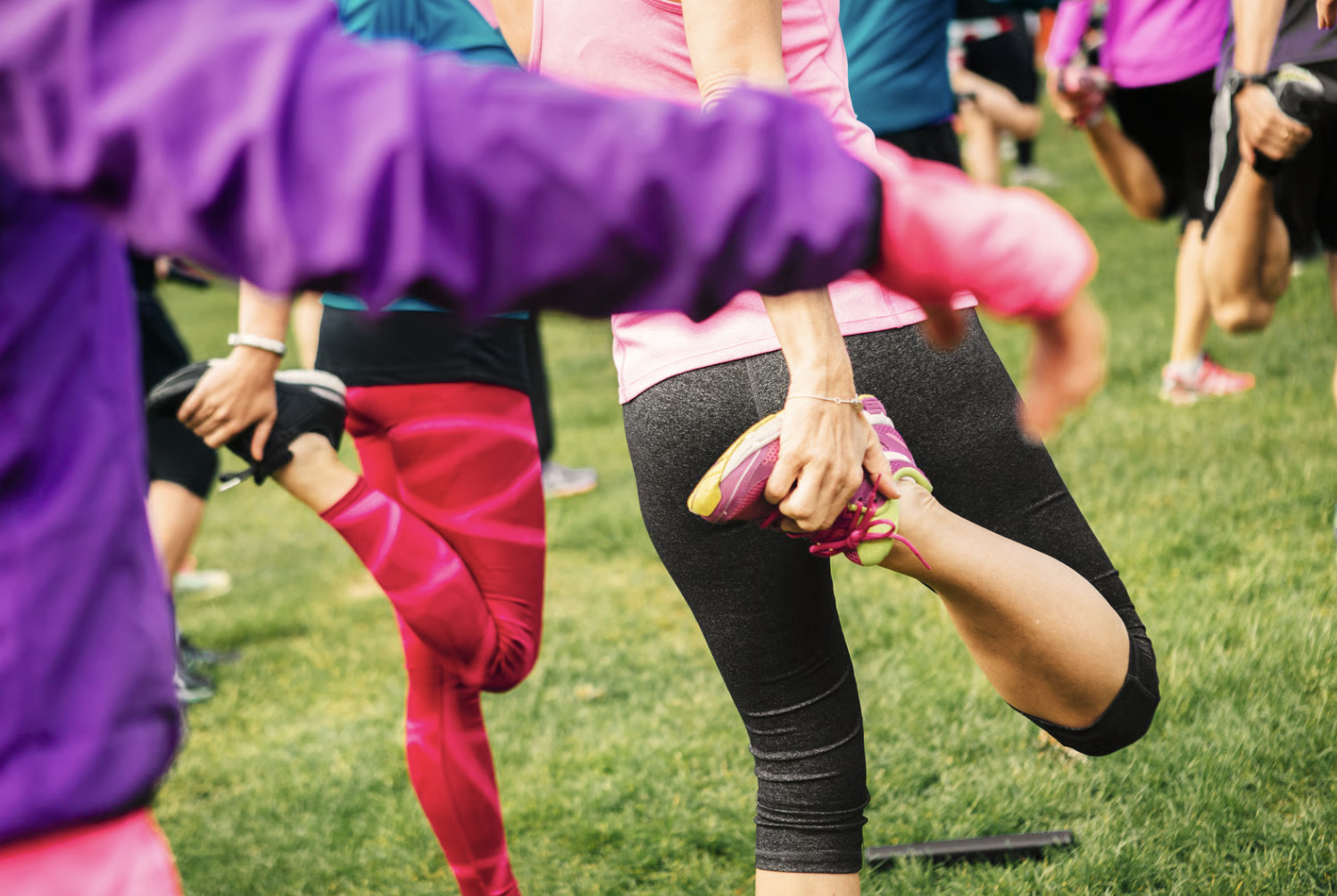
Singapore has one of the most vibrant recreational sports cultures in Southeast Asia. Whether you run along East Coast Park before sunrise, play badminton on weekends, or join a football league after work, staying active is a genuine priority for many people here.
Staying Active, Staying Safe
Many sports injuries are not inevitable. With the right knowledge and a few consistent habits, you can keep doing what you love while reducing your risk of getting hurt.
Why Active Adults and Weekend Athletes Are Prone to Sports Injuries
Recreational athletes face a specific set of challenges that can make injuries more likely if left unaddressed.
The Weekend Warrior Pattern
Many active adults in Singapore lead busy weekday lives and concentrate most of their physical activity into the weekend. This pattern, often called the “weekend warrior” approach, means your body goes from long periods of relative inactivity to sudden bursts of high-intensity sport. Tendons, ligaments, and muscles that have not been consistently loaded through the week are less prepared to handle the sudden demands placed on them. The result is a higher risk of strains, sprains, and overuse injuries.
How Age and Lifestyle Factors Affect Injury Risk
As you move through your thirties, forties, and beyond, your body’s connective tissues change. Tendons (the tough cords that connect muscles to bones) become less elastic. Cartilage (the smooth cushioning tissue inside your joints) gradually thins and becomes less resilient. Recovery after exercise takes longer. The warm-ups, strength work, and recovery strategies that perhaps felt optional in your twenties become genuinely important as you get older.
Lifestyle factors also play a role. Desk-bound work can lead to tight hip flexors, weak glutes, and reduced ankle mobility, all of which affect how your body moves during sport. Stress and poor sleep can impair your body’s ability to repair tissue between sessions.
Environmental Factors in Singapore’s Climate
Singapore’s heat and humidity add an extra layer of challenge for recreational athletes. Exercising in high temperatures increases your cardiovascular load and accelerates fluid loss. When you are dehydrated or overheated, your reaction times may slow, your concentration can drop, and your muscles may fatigue more quickly. These factors can raise your injury risk, particularly for muscle cramps, heat-related exhaustion, and the kind of momentary lapses in form or judgement that lead to acute injuries.
Common Sports Injuries Seen in Recreational Athletes
Different sports place stress on different parts of the body. The table below gives an overview of common injuries by body region, the sports most associated with them, and the warning signs worth watching for.
| Body Region | Injury Type | Common Sports | Key Warning Signs |
|---|---|---|---|
| Knee | ACL tear, meniscus injury, patellofemoral pain | Football, basketball, running, badminton | Sudden pop, swelling, instability, pain around or behind kneecap |
| Shoulder | Rotator cuff strain, impingement, labral tear | Swimming, badminton, tennis, weightlifting | Pain with overhead movement, weakness, clicking or catching sensation |
| Ankle | Lateral ankle sprain | Football, basketball, trail running | Swelling, bruising, difficulty bearing weight after a roll or twist |
| Muscle | Hamstring or calf tear | Sprinting, football, tennis | Sudden sharp pain at the back of thigh or calf during activity |
| Tendon | Achilles tendinopathy, patellar tendinopathy | Running, jumping sports, cycling | Stiffness and pain along the tendon, worse in the morning or after rest |
Knee Injuries
The knee is one of the most commonly injured joints in recreational sport. Ligament sprains, particularly to the ACL (anterior cruciate ligament, the main stabilising ligament inside the knee), can occur during sudden changes of direction or awkward landings. Meniscus injuries (tears to the C-shaped cartilage pads that cushion the knee) often happen with twisting movements under load. Patellofemoral pain, a broad term for aching around the kneecap, is especially common in runners and cyclists and is frequently linked to muscle imbalances around the hip and thigh.
Shoulder Injuries
The shoulder is a highly mobile joint that relies heavily on the rotator cuff, the group of four muscles and tendons that stabilise and rotate the shoulder, to function safely. Overuse, poor technique, and insufficient warm-up can all lead to rotator cuff strains, shoulder impingement (pinching of soft tissue in the shoulder joint space), or labral tears (damage to the ring of cartilage around the shoulder socket). Swimmers, racquet sport players, and anyone doing overhead lifting are particularly susceptible.
Ankle, Muscle, and Tendon Injuries
Ankle sprains are among the most frequent acute injuries in sport, often resulting from landing awkwardly or rolling the foot on uneven ground. Muscle tears in the hamstring or calf tend to occur when a muscle is asked to generate force beyond its current capacity, often when fatigued or inadequately warmed up. Tendon overuse injuries, such as Achilles tendinopathy (pain and degeneration in the Achilles tendon at the back of the heel) or patellar tendinopathy (pain at the tendon just below the kneecap), develop gradually through repetitive loading without adequate recovery.
Warming Up and Cooling Down the Right Way
A proper warm-up and cool-down are fundamental injury prevention tools. Think of your muscles and tendons like cold rubber bands: stiff, less pliable, and more likely to snap under sudden load. A warm-up raises tissue temperature, increases blood flow to working muscles, and primes your nervous system for the movements ahead.
Dynamic Warm-Up Essentials
A dynamic warm-up uses controlled movement rather than static stretching to prepare your body. Static stretching (holding a stretch for 30 seconds or more) before exercise can temporarily reduce muscle power and is generally better reserved for after your session.
A practical dynamic warm-up for most recreational sports might include:
- 5 minutes of light aerobic activity: brisk walking, easy jogging, or gentle cycling to raise your heart rate and warm your muscles
- Leg swings: forward-and-back and side-to-side, 10 repetitions per leg, to open up the hip and loosen the hamstrings
- Bodyweight squats: 10 to 15 repetitions, focusing on controlled movement and full range of motion
- Lateral shuffles or side steps: 10 metres in each direction, to activate the hip stabilisers
- Arm circles and shoulder rotations: 10 repetitions in each direction, particularly important before swimming, badminton, or any overhead sport
- Calf raises: 15 repetitions, to prepare the Achilles tendon and ankle for load
For runners, add high knees and heel flicks. For football or basketball players, include some short acceleration bursts and change-of-direction drills at low intensity.
Why Cooling Down Matters for Recovery
After exercise, your heart rate and body temperature are elevated, your muscles are fatigued, and metabolic by-products have accumulated in your tissues. A cool-down helps your cardiovascular system return to baseline gradually, reduces post-exercise muscle stiffness, and supports the recovery process.
Spend 5 to 10 minutes after your session on:
- Easy walking or gentle cycling to bring your heart rate down
- Static stretching of the major muscle groups used: hold each stretch for 20 to 30 seconds without bouncing
- Foam rolling or self-massage on tight areas, particularly the calves, quadriceps, and thoracic spine
In Singapore’s heat, cooling down also gives your core temperature time to normalise before you move into an air-conditioned environment, which may help reduce the risk of muscle cramping.
Building Strength and Flexibility to Protect Your Joints
Strong muscles act as shock absorbers for your joints. When the muscles around your knee, shoulder, or ankle are well-conditioned, they can absorb and distribute load more effectively, reducing the stress placed on the underlying ligaments, tendons, and cartilage.
Strengthening the Muscles Around Your Knees and Shoulders
For knee health, the focus is generally on building strength in the quadriceps (front of the thigh), hamstrings (back of the thigh), and glutes (buttock muscles). Exercises like squats, lunges, step-ups, and Romanian deadlifts all contribute to a well-supported knee. Single-leg variations are particularly valuable because they train the balance and stability that sport demands.
For shoulder health, exercises that strengthen the rotator cuff and the muscles of the upper back are important. Rows, face pulls, external rotation exercises with a resistance band, and controlled overhead pressing all help build a resilient shoulder. If you swim or play racquet sports regularly, dedicating specific time to shoulder strengthening is especially worthwhile.
Flexibility and Mobility Work for Injury-Prone Areas
Flexibility refers to the range of motion available in a muscle. Mobility refers to your ability to actively control movement through that range. Both are relevant for injury prevention.
Tight hip flexors (from prolonged sitting) can alter your running mechanics and increase knee and lower back stress. Limited ankle mobility can affect squatting patterns and increase Achilles tendon load. Poor thoracic (mid-back) mobility can place excess strain on the shoulder during overhead movements.
Practical areas to focus on include:
- Hip flexor and quadriceps stretches: particularly relevant for desk workers and runners
- Calf and Achilles stretches: important for runners, football players, and anyone with a history of ankle issues
- Thoracic mobility exercises: such as foam roller extensions, beneficial for swimmers and overhead athletes
- Shoulder cross-body and sleeper stretches: to maintain posterior shoulder flexibility
Even 10 to 15 minutes of targeted mobility work several times a week can make a meaningful difference over time.
The 10 Percent Rule for Training Progression
One of the most practical guidelines in sports medicine is the 10 percent rule: avoid increasing your total weekly training load by more than 10 percent from one week to the next. This applies to running distance, training volume, weight lifted, or any other measurable training variable. Tendons and cartilage adapt to load more slowly than muscles and cardiovascular fitness. Increasing intensity or volume too quickly is one of the more common reasons recreational athletes develop overuse injuries. Gradual, consistent progression allows your body to adapt without being overwhelmed.
How Proper Technique and Equipment Reduce Injury Risk
Poor running form, an inefficient swimming stroke, or faulty landing mechanics during a jump can place abnormal stress on joints and soft tissues. Over time, or during a moment of fatigue, these movement patterns can contribute to injury.
If you are taking up a new sport, consider investing in a few sessions with a qualified coach or instructor. Learning correct technique from the outset is generally more efficient than trying to unlearn ingrained habits later. Even experienced athletes may benefit from occasional technique reviews, particularly if they are dealing with a recurring injury or returning after a break.
Equipment choices also matter. Appropriate footwear for your sport and foot type provides support and cushioning for your joints. Running shoes should match your gait pattern and be replaced before the cushioning breaks down. For contact sports, sport-specific protective equipment such as shin guards, helmets, and braces can reduce the risk of acute injuries.
If you have a history of ankle instability, a lace-up ankle brace during high-risk activities may provide meaningful support. Similarly, a well-fitted knee sleeve may help with proprioception (your body’s sense of joint position) during return to sport after a knee injury.
Nutrition, Hydration, and Recovery for Active Adults
What you eat, how much you drink, and how well you recover between sessions can all affect your musculoskeletal health and your resilience to injury.
Staying Hydrated in Singapore’s Heat
In Singapore’s tropical climate, sweat rates during outdoor exercise can be substantial. Even mild dehydration may impair muscle function, reduce coordination, and increase the likelihood of cramp and fatigue-related injury. Drinking water consistently throughout the day, not just during exercise, is generally advisable. For sessions lasting longer than an hour, an electrolyte drink can help replace sodium and potassium lost through sweat.
A practical guide: your urine should be pale yellow before you start exercising. Dark urine may be a sign that you need to drink more before heading out.
Rest and Recovery as Part of Your Training Plan
During rest, your body repairs micro-damage in muscle fibres, replenishes energy stores, and consolidates the adaptations that make you fitter and stronger. Skipping rest days or consistently under-sleeping can undermine this process and increase your cumulative injury risk.
For most recreational athletes, one to two rest days per week is a reasonable approach. Sleep of seven to nine hours per night may support tissue repair and hormonal balance. Adequate protein intake can help maintain and repair muscle tissue, while calcium and vitamin D support bone health. You may wish to discuss your specific nutritional needs with a healthcare professional.
Listening to Your Body: Recognising Early Warning Signs
Normal post-exercise soreness, often called DOMS (delayed onset muscle soreness), typically appears 24 to 48 hours after an unfamiliar or intense session. It feels like a generalised, dull ache in the muscles you worked, and it often resolves within two to four days with light activity and rest.
Warning signs that suggest something more than normal soreness include:
- Sharp or stabbing pain during activity, particularly in a joint
- Pain that worsens as you continue exercising, rather than easing off after a warm-up
- Swelling, bruising, or visible deformity around a joint or muscle
- A pop, snap, or giving-way sensation in a joint
- Pain that persists at rest or wakes you from sleep
- Symptoms that return every time you try to resume activity
If you notice any of these patterns, reducing or stopping the activity causing pain, applying ice to the affected area, and allowing adequate rest are reasonable initial steps. If symptoms do not improve within a week or two, or if they are severe from the outset, a professional assessment is worth considering.
Continuing to load a painful area without adequate recovery can, in some cases, allow a minor issue to develop into a more significant injury.
When to Seek Professional Help
- Pain that persists beyond two weeks despite rest and basic self-care
- Joint swelling that does not resolve within a few days
- A feeling of instability or giving way in a knee, ankle, or shoulder
- Inability to bear weight on a leg or lift your arm without significant pain
- A recurring injury in the same area, suggesting an underlying structural issue that has not been properly addressed
An orthopaedic assessment may include imaging such as an MRI or ultrasound to evaluate soft tissue structures. In some cases, arthroscopy (keyhole joint surgery, where a small camera and instruments are inserted through tiny incisions to assess and treat the joint) may be recommended for both diagnosis and treatment. Early assessment generally supports faster recovery and better long-term outcomes for joint health.
Commonly Asked Questions
How can I tell if my pain is a normal ache or a sports injury?
Normal post-exercise soreness is typically a dull, generalised ache in the muscles you worked, appearing 12 to 48 hours after exercise and resolving within 5 to 7 days. Pain that is sharp, localised to a joint, present during activity rather than after, accompanied by swelling or bruising, or persistent beyond a week may indicate an injury that warrants attention from a healthcare professional.
What are the best sports for adults who want to stay active with less injury risk?
Low-impact activities such as swimming, cycling, walking, and yoga place less stress on the joints than high-impact sports like running or football, making them worth considering for adults with joint concerns or a history of injury. That said, most sports can be pursued with appropriate preparation, technique, and conditioning. A healthcare professional can help you identify activities suited to your individual circumstances.
How long should I rest before returning to sport after a minor injury?
This depends on the type and severity of the injury. Minor muscle soreness may resolve within a few days of reduced activity. A mild ankle sprain might require one to two weeks of modified activity before a gradual return. As a general principle, being pain-free through a full range of motion before resuming full sport is a reasonable guide. If you are unsure, a brief consultation with a healthcare professional can help you return safely and avoid re-injury.
Do I need to see a specialist for a sports injury, or can I manage it myself?
Many minor injuries may respond well to rest, ice, compression, and elevation in the first 48 to 72 hours. However, if your symptoms are severe, involve significant swelling or instability, or do not improve within one to two weeks of self-care, seeing an orthopaedic specialist is a sensible step. Early assessment can identify whether there is structural damage that requires specific treatment and can guide a safe return to activity.
Are weekend athletes more likely to get injured than people who exercise daily?
The inconsistent loading pattern of weekend sport, combined with insufficient conditioning during the week, can increase injury risk relative to those who exercise more regularly. Muscles, tendons, and joints adapt to load over time. When that load arrives suddenly and infrequently, the body may be less prepared to handle it. Incorporating two to three shorter midweek sessions, even light ones, may meaningfully reduce this risk.
Putting This Into Practice
- Add a dynamic warm-up to every training session, even if it is just 10 minutes
- Incorporate two to three strength sessions per week focusing on the muscles around your knees, hips, and shoulders
- Apply the 10 percent rule to any increases in your training volume or intensity
- Stay well hydrated, particularly when exercising outdoors in Singapore’s heat
- Pay attention to early warning signs and give your body adequate time to recover
- Speak with a healthcare professional if you have a recurring concern, joint pain that is not resolving, or a new injury that feels more significant than a simple ache
Learn More About Sports Injury Prevention and Care in Singapore
If you have a recurring sports injury, joint concern, or would like personalised guidance on staying active safely, speaking with a specialist in sports injury care in Singapore may be a helpful next step. An assessment can help you understand what is happening, what your options are, and how to return to the activities you enjoy.