Call Us +65 6884 6788

September 2026

Singapore has one of the most vibrant recreational sports cultures in Southeast Asia. Whether you run along East Coast Park before sunrise, play badminton on weekends, or join a football league after work, staying active is a genuine priority for many people here.

Staying Active, Staying Safe

Many sports injuries are not inevitable. With the right knowledge and a few consistent habits, you can keep doing what you love while reducing your risk of getting hurt.

Why Active Adults and Weekend Athletes Are Prone to Sports Injuries

Recreational athletes face a specific set of challenges that can make injuries more likely if left unaddressed.

The Weekend Warrior Pattern

Many active adults in Singapore lead busy weekday lives and concentrate most of their physical activity into the weekend. This pattern, often called the “weekend warrior” approach, means your body goes from long periods of relative inactivity to sudden bursts of high-intensity sport. Tendons, ligaments, and muscles that have not been consistently loaded through the week are less prepared to handle the sudden demands placed on them. The result is a higher risk of strains, sprains, and overuse injuries.

How Age and Lifestyle Factors Affect Injury Risk

As you move through your thirties, forties, and beyond, your body’s connective tissues change. Tendons (the tough cords that connect muscles to bones) become less elastic. Cartilage (the smooth cushioning tissue inside your joints) gradually thins and becomes less resilient. Recovery after exercise takes longer. The warm-ups, strength work, and recovery strategies that perhaps felt optional in your twenties become genuinely important as you get older.

Lifestyle factors also play a role. Desk-bound work can lead to tight hip flexors, weak glutes, and reduced ankle mobility, all of which affect how your body moves during sport. Stress and poor sleep can impair your body’s ability to repair tissue between sessions.

Environmental Factors in Singapore’s Climate

Singapore’s heat and humidity add an extra layer of challenge for recreational athletes. Exercising in high temperatures increases your cardiovascular load and accelerates fluid loss. When you are dehydrated or overheated, your reaction times may slow, your concentration can drop, and your muscles may fatigue more quickly. These factors can raise your injury risk, particularly for muscle cramps, heat-related exhaustion, and the kind of momentary lapses in form or judgement that lead to acute injuries.

Common Sports Injuries Seen in Recreational Athletes

Different sports place stress on different parts of the body. The table below gives an overview of common injuries by body region, the sports most associated with them, and the warning signs worth watching for.

Body Region Injury Type Common Sports Key Warning Signs
Knee ACL tear, meniscus injury, patellofemoral pain Football, basketball, running, badminton Sudden pop, swelling, instability, pain around or behind kneecap
Shoulder Rotator cuff strain, impingement, labral tear Swimming, badminton, tennis, weightlifting Pain with overhead movement, weakness, clicking or catching sensation
Ankle Lateral ankle sprain Football, basketball, trail running Swelling, bruising, difficulty bearing weight after a roll or twist
Muscle Hamstring or calf tear Sprinting, football, tennis Sudden sharp pain at the back of thigh or calf during activity
Tendon Achilles tendinopathy, patellar tendinopathy Running, jumping sports, cycling Stiffness and pain along the tendon, worse in the morning or after rest

Knee Injuries

The knee is one of the most commonly injured joints in recreational sport. Ligament sprains, particularly to the ACL (anterior cruciate ligament, the main stabilising ligament inside the knee), can occur during sudden changes of direction or awkward landings. Meniscus injuries (tears to the C-shaped cartilage pads that cushion the knee) often happen with twisting movements under load. Patellofemoral pain, a broad term for aching around the kneecap, is especially common in runners and cyclists and is frequently linked to muscle imbalances around the hip and thigh.

Shoulder Injuries

The shoulder is a highly mobile joint that relies heavily on the rotator cuff, the group of four muscles and tendons that stabilise and rotate the shoulder, to function safely. Overuse, poor technique, and insufficient warm-up can all lead to rotator cuff strains, shoulder impingement (pinching of soft tissue in the shoulder joint space), or labral tears (damage to the ring of cartilage around the shoulder socket). Swimmers, racquet sport players, and anyone doing overhead lifting are particularly susceptible.

Ankle, Muscle, and Tendon Injuries

Ankle sprains are among the most frequent acute injuries in sport, often resulting from landing awkwardly or rolling the foot on uneven ground. Muscle tears in the hamstring or calf tend to occur when a muscle is asked to generate force beyond its current capacity, often when fatigued or inadequately warmed up. Tendon overuse injuries, such as Achilles tendinopathy (pain and degeneration in the Achilles tendon at the back of the heel) or patellar tendinopathy (pain at the tendon just below the kneecap), develop gradually through repetitive loading without adequate recovery.

Warming Up and Cooling Down the Right Way

A proper warm-up and cool-down are fundamental injury prevention tools. Think of your muscles and tendons like cold rubber bands: stiff, less pliable, and more likely to snap under sudden load. A warm-up raises tissue temperature, increases blood flow to working muscles, and primes your nervous system for the movements ahead.

Dynamic Warm-Up Essentials

A dynamic warm-up uses controlled movement rather than static stretching to prepare your body. Static stretching (holding a stretch for 30 seconds or more) before exercise can temporarily reduce muscle power and is generally better reserved for after your session.

A practical dynamic warm-up for most recreational sports might include:

  • 5 minutes of light aerobic activity: brisk walking, easy jogging, or gentle cycling to raise your heart rate and warm your muscles
  • Leg swings: forward-and-back and side-to-side, 10 repetitions per leg, to open up the hip and loosen the hamstrings
  • Bodyweight squats: 10 to 15 repetitions, focusing on controlled movement and full range of motion
  • Lateral shuffles or side steps: 10 metres in each direction, to activate the hip stabilisers
  • Arm circles and shoulder rotations: 10 repetitions in each direction, particularly important before swimming, badminton, or any overhead sport
  • Calf raises: 15 repetitions, to prepare the Achilles tendon and ankle for load

For runners, add high knees and heel flicks. For football or basketball players, include some short acceleration bursts and change-of-direction drills at low intensity.

Why Cooling Down Matters for Recovery

After exercise, your heart rate and body temperature are elevated, your muscles are fatigued, and metabolic by-products have accumulated in your tissues. A cool-down helps your cardiovascular system return to baseline gradually, reduces post-exercise muscle stiffness, and supports the recovery process.

Spend 5 to 10 minutes after your session on:

  • Easy walking or gentle cycling to bring your heart rate down
  • Static stretching of the major muscle groups used: hold each stretch for 20 to 30 seconds without bouncing
  • Foam rolling or self-massage on tight areas, particularly the calves, quadriceps, and thoracic spine

In Singapore’s heat, cooling down also gives your core temperature time to normalise before you move into an air-conditioned environment, which may help reduce the risk of muscle cramping.

Building Strength and Flexibility to Protect Your Joints

Strong muscles act as shock absorbers for your joints. When the muscles around your knee, shoulder, or ankle are well-conditioned, they can absorb and distribute load more effectively, reducing the stress placed on the underlying ligaments, tendons, and cartilage.

Strengthening the Muscles Around Your Knees and Shoulders

For knee health, the focus is generally on building strength in the quadriceps (front of the thigh), hamstrings (back of the thigh), and glutes (buttock muscles). Exercises like squats, lunges, step-ups, and Romanian deadlifts all contribute to a well-supported knee. Single-leg variations are particularly valuable because they train the balance and stability that sport demands.

For shoulder health, exercises that strengthen the rotator cuff and the muscles of the upper back are important. Rows, face pulls, external rotation exercises with a resistance band, and controlled overhead pressing all help build a resilient shoulder. If you swim or play racquet sports regularly, dedicating specific time to shoulder strengthening is especially worthwhile.

Flexibility and Mobility Work for Injury-Prone Areas

Flexibility refers to the range of motion available in a muscle. Mobility refers to your ability to actively control movement through that range. Both are relevant for injury prevention.

Tight hip flexors (from prolonged sitting) can alter your running mechanics and increase knee and lower back stress. Limited ankle mobility can affect squatting patterns and increase Achilles tendon load. Poor thoracic (mid-back) mobility can place excess strain on the shoulder during overhead movements.

Practical areas to focus on include:

  • Hip flexor and quadriceps stretches: particularly relevant for desk workers and runners
  • Calf and Achilles stretches: important for runners, football players, and anyone with a history of ankle issues
  • Thoracic mobility exercises: such as foam roller extensions, beneficial for swimmers and overhead athletes
  • Shoulder cross-body and sleeper stretches: to maintain posterior shoulder flexibility

Even 10 to 15 minutes of targeted mobility work several times a week can make a meaningful difference over time.

The 10 Percent Rule for Training Progression

One of the most practical guidelines in sports medicine is the 10 percent rule: avoid increasing your total weekly training load by more than 10 percent from one week to the next. This applies to running distance, training volume, weight lifted, or any other measurable training variable. Tendons and cartilage adapt to load more slowly than muscles and cardiovascular fitness. Increasing intensity or volume too quickly is one of the more common reasons recreational athletes develop overuse injuries. Gradual, consistent progression allows your body to adapt without being overwhelmed.

How Proper Technique and Equipment Reduce Injury Risk

Poor running form, an inefficient swimming stroke, or faulty landing mechanics during a jump can place abnormal stress on joints and soft tissues. Over time, or during a moment of fatigue, these movement patterns can contribute to injury.

If you are taking up a new sport, consider investing in a few sessions with a qualified coach or instructor. Learning correct technique from the outset is generally more efficient than trying to unlearn ingrained habits later. Even experienced athletes may benefit from occasional technique reviews, particularly if they are dealing with a recurring injury or returning after a break.

Equipment choices also matter. Appropriate footwear for your sport and foot type provides support and cushioning for your joints. Running shoes should match your gait pattern and be replaced before the cushioning breaks down. For contact sports, sport-specific protective equipment such as shin guards, helmets, and braces can reduce the risk of acute injuries.

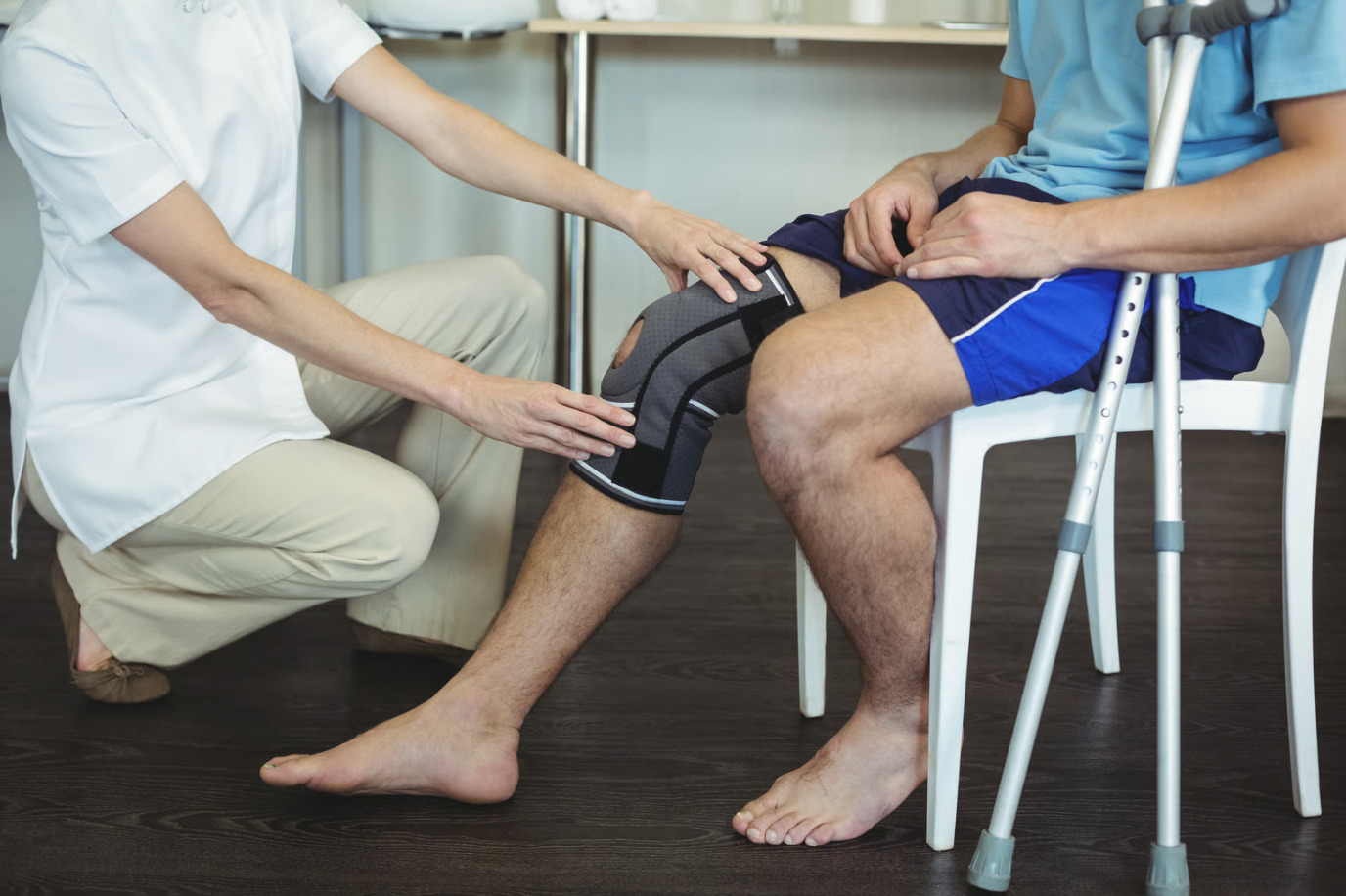
If you have a history of ankle instability, a lace-up ankle brace during high-risk activities may provide meaningful support. Similarly, a well-fitted knee sleeve may help with proprioception (your body’s sense of joint position) during return to sport after a knee injury.

Nutrition, Hydration, and Recovery for Active Adults

What you eat, how much you drink, and how well you recover between sessions can all affect your musculoskeletal health and your resilience to injury.

Staying Hydrated in Singapore’s Heat

In Singapore’s tropical climate, sweat rates during outdoor exercise can be substantial. Even mild dehydration may impair muscle function, reduce coordination, and increase the likelihood of cramp and fatigue-related injury. Drinking water consistently throughout the day, not just during exercise, is generally advisable. For sessions lasting longer than an hour, an electrolyte drink can help replace sodium and potassium lost through sweat.

A practical guide: your urine should be pale yellow before you start exercising. Dark urine may be a sign that you need to drink more before heading out.

Rest and Recovery as Part of Your Training Plan

During rest, your body repairs micro-damage in muscle fibres, replenishes energy stores, and consolidates the adaptations that make you fitter and stronger. Skipping rest days or consistently under-sleeping can undermine this process and increase your cumulative injury risk.

For most recreational athletes, one to two rest days per week is a reasonable approach. Sleep of seven to nine hours per night may support tissue repair and hormonal balance. Adequate protein intake can help maintain and repair muscle tissue, while calcium and vitamin D support bone health. You may wish to discuss your specific nutritional needs with a healthcare professional.

Listening to Your Body: Recognising Early Warning Signs

Normal post-exercise soreness, often called DOMS (delayed onset muscle soreness), typically appears 24 to 48 hours after an unfamiliar or intense session. It feels like a generalised, dull ache in the muscles you worked, and it often resolves within two to four days with light activity and rest.

Warning signs that suggest something more than normal soreness include:

  • Sharp or stabbing pain during activity, particularly in a joint
  • Pain that worsens as you continue exercising, rather than easing off after a warm-up
  • Swelling, bruising, or visible deformity around a joint or muscle
  • A pop, snap, or giving-way sensation in a joint
  • Pain that persists at rest or wakes you from sleep
  • Symptoms that return every time you try to resume activity

If you notice any of these patterns, reducing or stopping the activity causing pain, applying ice to the affected area, and allowing adequate rest are reasonable initial steps. If symptoms do not improve within a week or two, or if they are severe from the outset, a professional assessment is worth considering.

Continuing to load a painful area without adequate recovery can, in some cases, allow a minor issue to develop into a more significant injury.

When to Seek Professional Help

  • Pain that persists beyond two weeks despite rest and basic self-care
  • Joint swelling that does not resolve within a few days
  • A feeling of instability or giving way in a knee, ankle, or shoulder
  • Inability to bear weight on a leg or lift your arm without significant pain
  • A recurring injury in the same area, suggesting an underlying structural issue that has not been properly addressed

An orthopaedic assessment may include imaging such as an MRI or ultrasound to evaluate soft tissue structures. In some cases, arthroscopy (keyhole joint surgery, where a small camera and instruments are inserted through tiny incisions to assess and treat the joint) may be recommended for both diagnosis and treatment. Early assessment generally supports faster recovery and better long-term outcomes for joint health.

Commonly Asked Questions

How can I tell if my pain is a normal ache or a sports injury?

Normal post-exercise soreness is typically a dull, generalised ache in the muscles you worked, appearing 12 to 48 hours after exercise and resolving within 5 to 7 days. Pain that is sharp, localised to a joint, present during activity rather than after, accompanied by swelling or bruising, or persistent beyond a week may indicate an injury that warrants attention from a healthcare professional.

What are the best sports for adults who want to stay active with less injury risk?

Low-impact activities such as swimming, cycling, walking, and yoga place less stress on the joints than high-impact sports like running or football, making them worth considering for adults with joint concerns or a history of injury. That said, most sports can be pursued with appropriate preparation, technique, and conditioning. A healthcare professional can help you identify activities suited to your individual circumstances.

How long should I rest before returning to sport after a minor injury?

This depends on the type and severity of the injury. Minor muscle soreness may resolve within a few days of reduced activity. A mild ankle sprain might require one to two weeks of modified activity before a gradual return. As a general principle, being pain-free through a full range of motion before resuming full sport is a reasonable guide. If you are unsure, a brief consultation with a healthcare professional can help you return safely and avoid re-injury.

Do I need to see a specialist for a sports injury, or can I manage it myself?

Many minor injuries may respond well to rest, ice, compression, and elevation in the first 48 to 72 hours. However, if your symptoms are severe, involve significant swelling or instability, or do not improve within one to two weeks of self-care, seeing an orthopaedic specialist is a sensible step. Early assessment can identify whether there is structural damage that requires specific treatment and can guide a safe return to activity.

Are weekend athletes more likely to get injured than people who exercise daily?

The inconsistent loading pattern of weekend sport, combined with insufficient conditioning during the week, can increase injury risk relative to those who exercise more regularly. Muscles, tendons, and joints adapt to load over time. When that load arrives suddenly and infrequently, the body may be less prepared to handle it. Incorporating two to three shorter midweek sessions, even light ones, may meaningfully reduce this risk.

Putting This Into Practice

  • Add a dynamic warm-up to every training session, even if it is just 10 minutes
  • Incorporate two to three strength sessions per week focusing on the muscles around your knees, hips, and shoulders
  • Apply the 10 percent rule to any increases in your training volume or intensity
  • Stay well hydrated, particularly when exercising outdoors in Singapore’s heat
  • Pay attention to early warning signs and give your body adequate time to recover
  • Speak with a healthcare professional if you have a recurring concern, joint pain that is not resolving, or a new injury that feels more significant than a simple ache

Learn More About Sports Injury Prevention and Care in Singapore

If you have a recurring sports injury, joint concern, or would like personalised guidance on staying active safely, speaking with a specialist in sports injury care in Singapore may be a helpful next step. An assessment can help you understand what is happening, what your options are, and how to return to the activities you enjoy.

Book Appointment

Fill up the form and we will get back to you soon!

    Synergy Orthopaedic Group

    September 2026

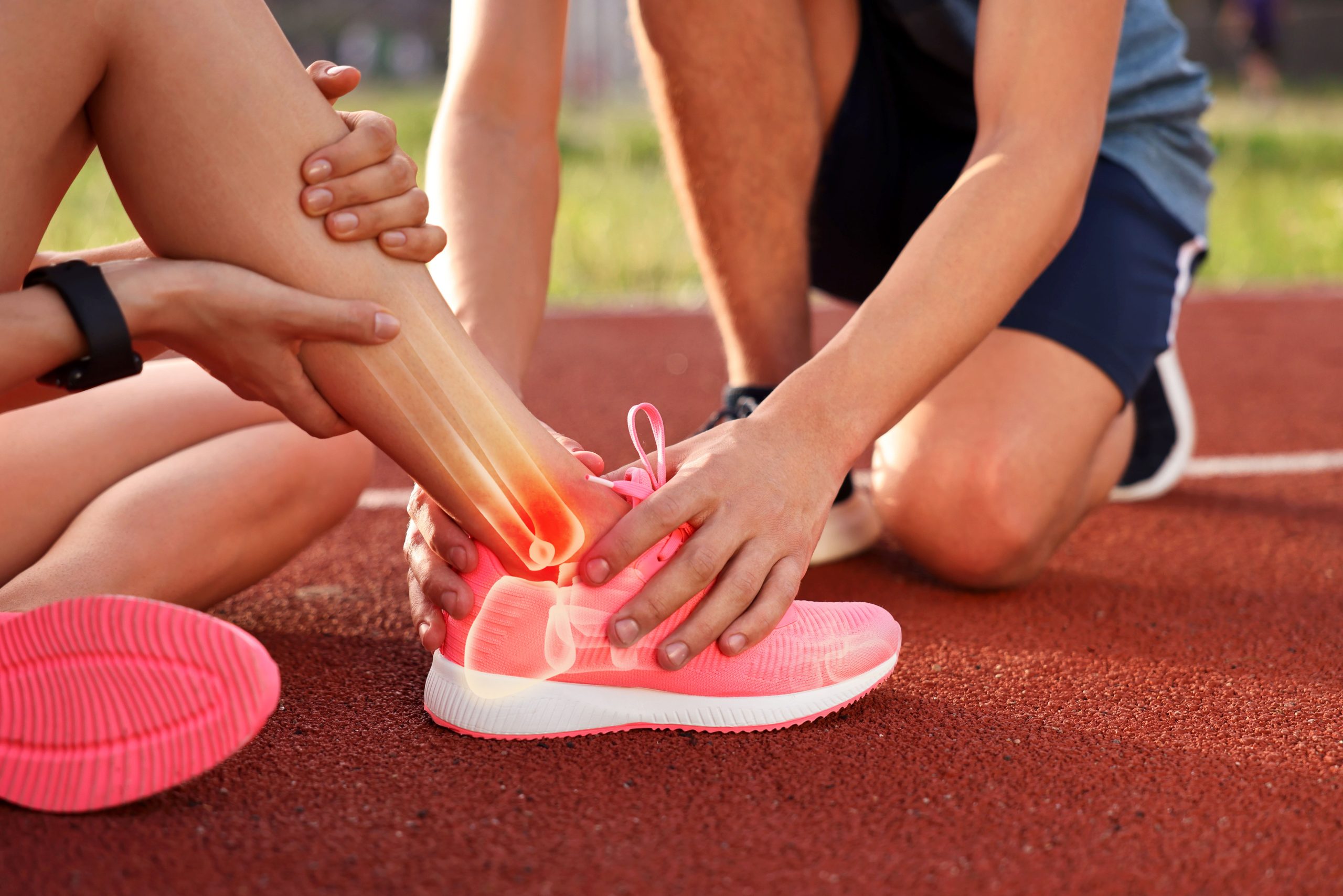
    Twisting your ankle is one of those moments where everything stops. The pain hits, the swelling starts, and suddenly you are left wondering: is this serious, or will it sort itself out? Knowing which type of injury you are dealing with can make a real difference to how well and how quickly you recover.

    Sprained Ankle or Broken Ankle: Why Getting the Right Answer Matters

    Ankle injuries are among the most common musculoskeletal problems seen in Singapore, whether you are a weekend runner, a regular badminton player, or someone who simply stepped off a kerb awkwardly. A bad sprain and a fracture can look and feel remarkably similar in the first few hours after injury: both cause pain, swelling, and difficulty walking.

    A missed fracture that goes untreated can lead to poor bone healing, long-term instability, or arthritis in the joint. An incorrectly managed sprain can result in chronic weakness and repeated re-injury.

    What Happens Inside Your Ankle During an Injury

    An ankle sprain occurs when the ligaments connecting the bones of the ankle are stretched or torn. An ankle fracture occurs when one or more of the bones forming the ankle joint crack or break completely. Both can happen during the same injury event, which is part of what makes self-diagnosis unreliable.

    Your ankle is a complex joint made up of three bones: the tibia (shin bone), the fibula (the thinner bone running alongside it), and the talus (the bone sitting beneath them). These bones are held together and stabilised by ligaments, which you can think of as strong rubber bands connecting bone to bone. Surrounding muscles and tendons provide additional support and movement.

    Ligament injuries (sprains)

    When your ankle rolls inward or outward beyond its normal range of motion, the ligaments on the outer or inner side of the ankle are forced to stretch further than they are designed to. Depending on how far they are pushed, the fibres may stretch slightly, partially tear, or rupture completely. The most commonly affected ligament in an ankle sprain is the anterior talofibular ligament (ATFL), located on the outer side of the ankle. Ligament injuries do not show up on X-ray, which is one reason imaging alone does not always give the full picture.

    Bone injuries (fractures)

    A fracture occurs when the force applied to the ankle exceeds what the bone can absorb. This can happen during a high-impact fall, a direct blow, or even a severe twisting motion. The fibula is the most frequently fractured bone in ankle injuries. In some cases, particularly with repetitive loading rather than a single event, stress fractures can develop gradually without any obvious trauma. These hairline cracks are easy to miss but can worsen significantly if activity continues without treatment.

    How to Tell the Difference Between a Sprained Ankle and a Broken Ankle

    There is considerable overlap between the two injuries. While certain signs can guide your initial assessment, only a clinical examination combined with imaging can confirm which injury you have sustained.

    The table below compares the key features of each injury type as a starting point for your own assessment.

    Feature Sprained Ankle Broken Ankle
    Pain location Along the outer or inner ankle, over the ligament Directly over the bone, often the fibula or medial malleolus
    Swelling pattern Soft tissue swelling around the joint Can be more focal or involve visible deformity
    Ability to bear weight Often possible, though painful Frequently impossible, especially with displaced fractures
    Bruising Common, may appear within hours Common, often more extensive
    Deformity Rarely visible Possible if bones are displaced
    Sound at time of injury May hear a pop or snap from the ligament May hear a crack or crunch

    Pain and tenderness patterns

    With a sprain, tenderness is typically felt over the soft tissue on the outer or inner side of the ankle, directly over the affected ligament. With a fracture, tenderness tends to be concentrated directly over the bone itself, particularly along the fibula or at the bony prominences on either side of the ankle (the medial and lateral malleoli). If pressing on a specific bony point produces sharp, localised pain, that is a signal worth discussing with a healthcare professional.

    Swelling, bruising, and visible changes

    Both injuries cause swelling and can produce significant bruising. Bruising from a sprain typically appears around the soft tissue of the outer ankle. With a fracture, bruising may be more widespread and can track down towards the foot. Visible deformity, where the ankle appears out of its normal alignment, may indicate a fracture and requires prompt medical attention. Do not attempt to push or manipulate the ankle back into position.

    Can you put weight on it?

    The ability to bear weight is one of the most commonly used early indicators, but it is not a reliable rule on its own. Some people with significant fractures manage to limp a short distance, while others with severe ligament tears cannot put any weight on the foot at all. The Ottawa Ankle Rules, a clinical decision guide used by doctors (explained further below), incorporate weight-bearing ability as one factor among several . If bearing weight causes sharp, intense pain or feels mechanically unstable, seeking assessment promptly is advisable rather than testing it further.

    Ankle Injury Severity: Grading Sprains and Classifying Fractures

    Not all sprains are minor, and not all fractures require surgery. The severity of your injury determines whether conservative care at home is sufficient or whether specialist intervention is needed.

    Sprain Grade Description Typical Symptoms General Recovery
    Grade I (Mild) Minor stretching of ligament fibres, no tearing Mild pain, slight swelling, minimal functional loss 1 to 2 weeks
    Grade II (Moderate) Partial tear of the ligament Moderate pain, noticeable swelling and bruising, some instability 3 to 6 weeks
    Grade III (Severe) Complete rupture of the ligament Significant pain, marked swelling, joint instability, difficulty bearing weight 6 to 12 weeks or longer

    Fractures are classified in several ways. A stable fracture means the bone has cracked but the fragments remain in their correct position. A displaced fracture means the bone ends have shifted out of alignment. Stress fractures are hairline cracks that develop gradually from repetitive loading rather than a single traumatic event. Each type carries different implications for treatment and the time needed to heal.

    Common Causes of Ankle Sprains and Fractures in Singapore

    Sports and exercise injuries

    Sports involving rapid changes of direction, jumping, or uneven terrain carry a higher ankle injury risk. Football, basketball, badminton, and running are among the more frequent causes seen in orthopaedic clinics here. Trail runners at MacRitchie Reservoir or Bukit Timah Nature Reserve face additional risk from roots, rocks, and unpredictable ground surfaces. Even lower-intensity activities like hiking or recreational cycling can result in a rolled ankle if the terrain is uneven or if footwear is inadequate.

    Everyday slips and falls

    Not every ankle injury happens during sport. Wet hawker centre floors, uneven pavement edges, poorly lit stairwells, and stepping off escalators at an angle are all everyday hazards in Singapore. Wearing unsupportive footwear, such as flat sandals or worn-out shoes, increases the risk further.

    What to Do Immediately After an Ankle Injury

    The actions you take in the first 48 to 72 hours after an ankle injury can meaningfully influence how well your ankle heals. The PRICE protocol provides a straightforward framework.

    First-aid steps you can take at home

    1. P: Protection. Avoid putting full weight on the injured ankle. Use crutches or support from another person if you need to move.
    2. R: Rest. Reduce activity to allow the initial inflammatory response to settle. This does not mean complete bed rest, but it does mean avoiding the activity that caused the injury.
    3. I: Ice. Apply an ice pack wrapped in a cloth to the injured area for 15 to 20 minutes at a time, every two to three hours. Never apply ice directly to skin.
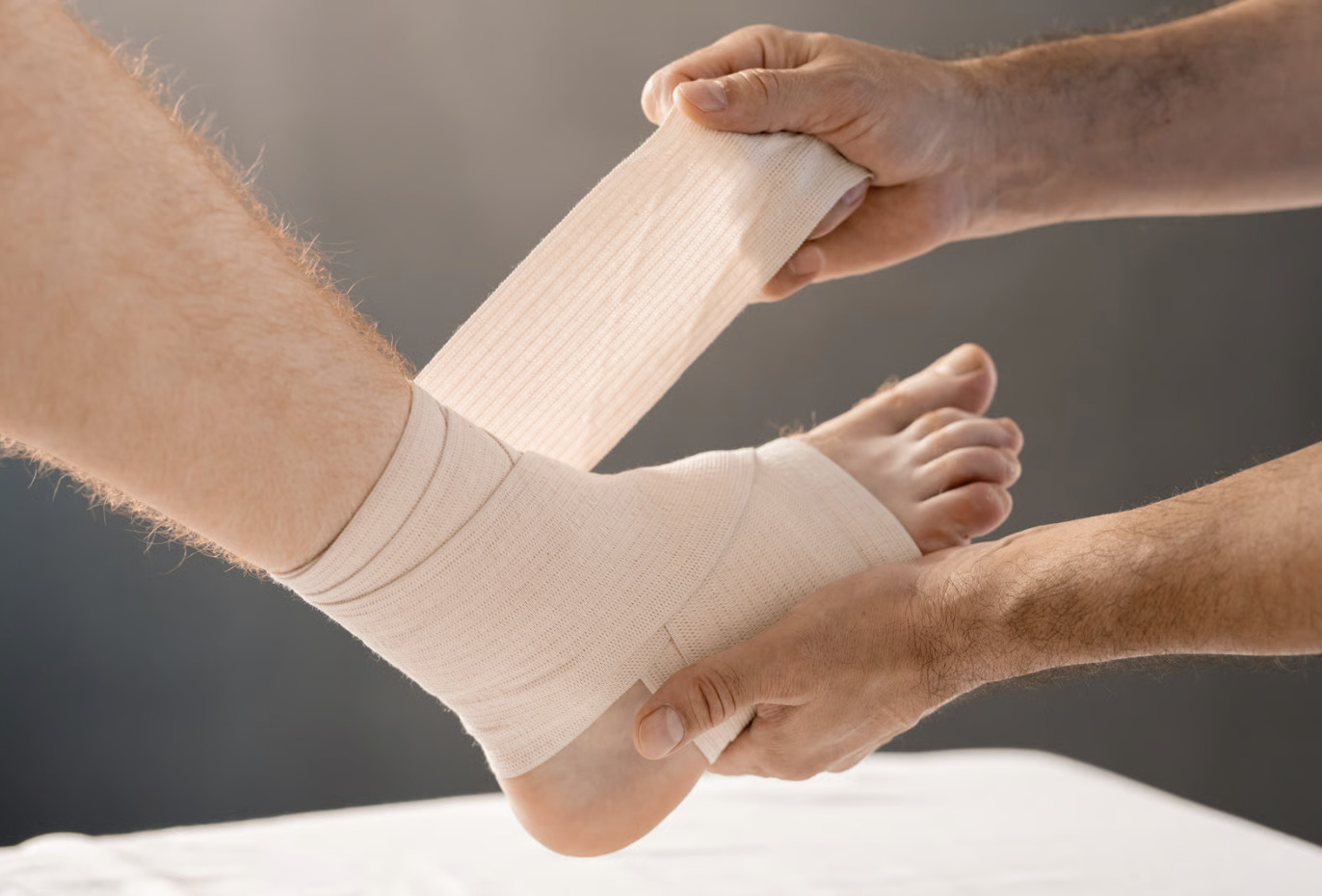
    4. C: Compression. A compression bandage applied around the ankle helps limit swelling. Wrap firmly but not so tightly that it restricts circulation.
    5. E: Elevation. Raise your ankle above the level of your heart when resting, using a pillow or cushion. This helps reduce swelling by encouraging fluid to drain away from the injury site.

    What to avoid in the first 48 hours

    • Applying heat to the ankle (hot water bottles, heat patches, or hot showers directed at the injury)
    • Drinking alcohol, which can increase swelling
    • Massaging the injured area vigorously
    • Returning to sport or exercise before the ankle has been assessed
    • Walking through significant pain without support

    Quick first-aid checklist for ankle injuries

    • Stop activity immediately
    • Protect the ankle from further stress
    • Apply ice (wrapped in cloth) for 15 to 20 minutes every 2 to 3 hours
    • Apply a compression bandage
    • Elevate the ankle above heart level
    • Avoid heat, massage, and alcohol
    • Seek medical assessment if pain is severe, deformity is visible, or weight-bearing is impossible

    How Ankle Injuries Are Diagnosed in Singapore

    When you attend a clinic for an ankle injury, the assessment typically begins with a physical examination. Your doctor will ask how the injury happened, where the pain is most intense, and whether you were able to bear weight immediately after the incident. They will then gently palpate (press on) specific points around the ankle to identify areas of tenderness.

    Many doctors use the Ottawa Ankle Rules as a clinical decision guide to determine whether an X-ray is necessary. These rules identify specific bony landmarks around the ankle and foot: if pressing on those points causes pain, or if you cannot take four steps immediately after the injury, an X-ray is recommended. This helps avoid unnecessary imaging for minor soft tissue injuries while ensuring fractures are not missed.

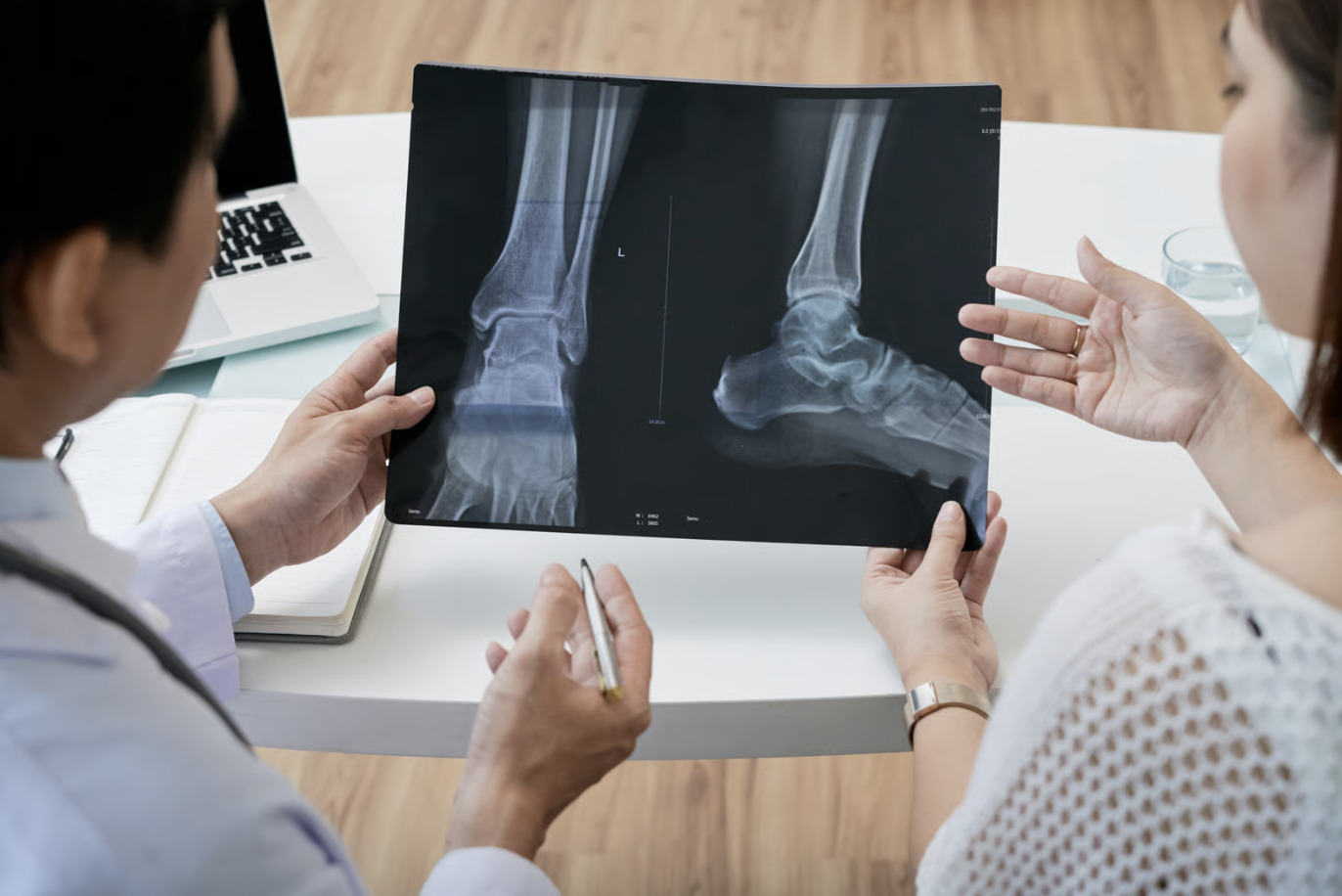
    An X-ray is the standard first imaging step and will clearly show most fractures. However, ligament injuries, cartilage damage, and stress fractures in their early stages do not always appear on X-ray. In these cases, your doctor may recommend an MRI (magnetic resonance imaging) scan, which produces detailed images of soft tissue structures and can identify injuries that plain X-rays may miss.

    How Sprained Ankles and Broken Ankles Are Treated

    Treatment for ankle injuries ranges from home-based management to surgical intervention, depending on the type and severity of the injury.

    Conservative treatment for sprains

    Most ankle sprains, including most Grade I and Grade II injuries, may respond well to conservative management. This typically involves a structured physiotherapy programme to restore range of motion, strength, and proprioception (balance and coordination). A supportive ankle brace may be recommended during the early recovery phase and when returning to sport. For moderate sprains, a short period in a walking boot can help reduce pain while allowing gradual weight-bearing.

    Anti-inflammatory medication may be suggested to manage pain and swelling in the acute phase; this should be discussed with your doctor. For Grade III sprains, many patients may achieve good outcomes with physiotherapy and bracing rather than surgery, though this depends on individual circumstances.

    When a fracture needs surgery

    Stable fractures, where the bone fragments remain correctly positioned, are often managed with immobilisation in a cast or walking boot and a period of protected weight-bearing. Displaced fractures, where the bone ends have shifted out of alignment, may require surgical fixation to restore the correct anatomy and allow the joint to heal properly. Surgery may involve the placement of plates and screws to hold the bone fragments in position while healing occurs.

    For certain ankle conditions involving ligament instability or cartilage damage alongside a fracture, arthroscopic techniques (keyhole surgery using a small camera and instruments inserted through tiny incisions) may be used. These approaches allow the surgeon to address damage inside the joint with minimal disruption to surrounding tissue.

    Rehabilitation and returning to activity

    Regardless of whether your ankle injury is managed conservatively or surgically, rehabilitation is an important part of long-term recovery. A graded physiotherapy programme addresses not just pain and swelling but the underlying strength deficits and balance impairments that, if left unaddressed, may increase the risk of re-injury. Returning to sport before rehabilitation is complete is one of the more common reasons patients experience recurrent ankle sprains.

    Recovery Timeline: What to Expect After a Sprained or Broken Ankle

    Healing timelines vary considerably from person to person. Factors such as age, baseline fitness, the presence of other health conditions, and how closely a rehabilitation programme is followed all influence how quickly recovery progresses.

    Injury Type Expected Recovery Range
    Mild sprain (Grade I) 1 to 2 weeks
    Moderate sprain (Grade II) 3 to 6 weeks
    Severe sprain (Grade III) 6 to 12 weeks, sometimes longer
    Stable fracture (non-surgical) 6 to 10 weeks
    Fracture requiring surgery 3 to 6 months (including rehabilitation)

    Pain going away does not always mean the ankle is fully healed. Ligaments and bone require time to remodel and regain their full strength, and the balance and coordination systems of the ankle benefit from deliberate retraining. Stopping rehabilitation as soon as the pain resolves is one of the more common reasons patients experience setbacks.

    Protecting Your Ankles and Reducing Re-Injury Risk

    A previous ankle sprain is associated with an increased likelihood of future ankle sprains. Targeted prevention strategies may help reduce that risk.

    • Strengthening exercises: Calf raises, resistance band exercises, and single-leg strengthening can help build the muscular support around the ankle joint.
    • Proprioception training: Balance and coordination retraining, such as single-leg standing, wobble board exercises, and dynamic balance drills, retrains the nerve pathways that help your ankle respond to unstable surfaces.
    • Appropriate footwear: Wear supportive shoes suited to your activity. Avoid worn-out trainers for running or sport, and choose footwear with adequate ankle support for trail activities.
    • Warm up before exercise: A proper warm-up that includes dynamic movements helps prepare the ankle ligaments and surrounding muscles for the demands of sport.
    • Ankle bracing during return to sport: For those with a history of sprains, wearing a supportive ankle brace during higher-risk activities may provide an additional layer of protection while strength and proprioception are still being rebuilt.

    When to Seek Professional Help

    • You are unable to bear weight on the ankle at all
    • There is visible deformity or the ankle appears out of alignment
    • Swelling is severe and does not begin to improve after 48 to 72 hours
    • Pain remains significant beyond a few days despite rest and first aid
    • You have experienced repeated ankle sprains on the same side
    • You heard a distinct crack or crunch at the time of injury
    • You are an athlete who needs to return to training or competition safely

    Commonly Asked Questions

    Is it possible to walk on a broken ankle without realising it?

    Yes, this can occur. Certain stable fractures, particularly those involving the fibula without displacement, may allow limited weight-bearing with pain that feels manageable. Stress fractures in particular often develop gradually with only mild discomfort at first. Persistent ankle pain after an injury should be assessed by a healthcare professional rather than assumed to be a minor sprain.

    How long should I wait before seeing a doctor for a swollen ankle?

    If swelling is severe, you cannot bear weight, or there is any visible deformity, seeking assessment promptly is advisable rather than waiting. For milder swelling with manageable pain, applying the PRICE protocol for 24 to 48 hours is reasonable. If swelling is not improving or pain is worsening after that period, a medical review is advisable.

    Can a severe sprain be worse than a fracture?

    In terms of recovery time and long-term impact, this is possible. A Grade III complete ligament rupture can take longer to rehabilitate than a simple stable fracture, and if not treated properly, can lead to chronic ankle instability that affects daily activities and sport. Fractures, once healed, may restore normal joint mechanics more predictably than severely torn ligaments that have not been adequately rehabilitated, though outcomes vary by individual.

    Do I need an MRI for an ankle injury, or is an X-ray enough?

    An X-ray is the appropriate first step for most ankle injuries, as it can effectively identify fractures. If the X-ray is clear but pain and swelling persist, or if your doctor suspects ligament damage, cartilage injury, or a stress fracture not visible on plain film, an MRI provides more detailed information about the soft tissue structures inside the joint. A healthcare professional can advise whether further imaging is needed based on your clinical picture.

    How can I prevent ankle sprains when playing sports in Singapore?

    Wearing sport-specific footwear with adequate ankle support, and replacing trainers when the sole shows significant wear, may help reduce injury risk. Incorporating proprioception and balance training into your regular exercise routine is also worth considering. Warming up thoroughly before matches and training sessions is advisable. On outdoor surfaces such as trail paths at MacRitchie or Bukit Timah, reducing your pace on uneven or wet terrain and staying attentive to the ground ahead can help. For those with a history of sprains, speaking with a healthcare professional about ankle bracing options may be helpful.

    Next Steps

    Whether you have just twisted your ankle or are dealing with a recurring issue that never quite resolved, applying first aid promptly, monitoring your symptoms, and seeking assessment when the signs suggest something more than a minor sprain are all reasonable steps. Early, accurate diagnosis of ankle injuries supports better outcomes and a more complete return to the activities you enjoy.

    Speak with an Orthopaedic Specialist About Your Ankle Injury

    If you are unsure about your ankle injury or would like a thorough assessment from a specialist with experience in sports and musculoskeletal conditions in Singapore, you may wish to arrange a consultation to discuss your symptoms, review any imaging, and explore your treatment and rehabilitation options.

    Disclaimer: This article is for informational purposes only and does not constitute medical advice. Please consult a qualified healthcare professional for personalised guidance.

    Book Appointment

    Fill up the form and we will get back to you soon!

      Synergy Orthopaedic Group

      September 2026

      Staying active is part of life in Singapore, whether you run along the Reservoir, train for a marathon, or play recreational football on weekends. When an injury sidelines you, it can be frustrating, worrying, and difficult to know what to do next. Understanding when to see a sports injury specialist in Singapore can make a meaningful difference to how well and how quickly you recover.

      Understanding When You Need a Sports Injury Specialist in Singapore

      Singapore has a vibrant sports and fitness culture, and with that comes a real risk of musculoskeletal injuries, ranging from mild strains to more complex structural damage. Many people push through discomfort, hoping the pain will resolve on its own. Sometimes it does. But for injuries involving joints, ligaments, tendons, or cartilage, waiting too long without the right guidance can turn a manageable problem into a long-term one.

      A sports injury specialist can provide an accurate diagnosis, a structured treatment plan, and the clinical support to guide you safely back to activity.

      What Does a Sports Injury Specialist Do?

      A sports injury specialist, or sports orthopaedic surgeon, is a doctor with advanced subspecialty training in diagnosing, treating, and rehabilitating injuries to the muscles, bones, joints, ligaments, and tendons that occur through sport and exercise. A general practitioner manages a broad range of health conditions, and a physiotherapist focuses on movement rehabilitation; a sports orthopaedic surgeon can both diagnose structural injuries and perform surgical intervention when needed.

      The role covers the full spectrum of care: from your first consultation and imaging review, through conservative (non-surgical) treatment, to surgical options when appropriate, and finally to guided return-to-sport rehabilitation.

      Conditions a sports doctor commonly treats

      A sports injury specialist manages a wide range of conditions, including:

      • Ligament tears and sprains (such as ACL tears in the knee or ankle ligament injuries)
      • Tendon injuries (including rotator cuff tears in the shoulder and Achilles tendon problems)
      • Cartilage damage and meniscal tears (the meniscus is a cushioning disc inside the knee)
      • Fractures and stress fractures related to sport
      • Shoulder dislocations and instability
      • Joint pain arising from overuse or repetitive strain
      • Bursitis (inflammation of the fluid-filled sacs that cushion joints)

      How sports medicine differs from general orthopaedics

      General orthopaedic surgery covers the full range of bone and joint conditions, including degenerative diseases, fractures, and joint replacements across all age groups. Sports orthopaedic surgery is a subspecialty that focuses specifically on the active population, with particular emphasis on preserving joint function, restoring movement, and enabling patients to return to sport. The clinical approach prioritises joint preservation where possible, using techniques designed to maintain your natural joint rather than replace it.

      Common Sports Injuries That Benefit from Specialist Care

      Shoulder injuries

      The shoulder is one of the most mobile joints in the body, which also makes it susceptible to injury. Common shoulder injuries that benefit from specialist assessment include:

      • Rotator cuff tears: The rotator cuff is a group of four muscles and their tendons that stabilise the shoulder. Tears can occur from a single traumatic event or develop gradually through repetitive overhead activity.
      • Shoulder dislocation and instability: When the ball of the shoulder joint slips out of its socket, it can damage surrounding structures and lead to recurring instability if not properly treated.
      • SLAP tears: A SLAP tear (Superior Labrum Anterior to Posterior) is a tear of the cartilage ring around the shoulder socket, often seen in throwing athletes and swimmers.
      • Acromioclavicular (AC) joint injuries: These involve the joint at the top of the shoulder and are common in contact sports and cycling falls.

      Knee injuries

      The knee is a commonly injured joint in sport. Injuries that often require specialist care include:

      • ACL tears: The anterior cruciate ligament (ACL) is a key stabilising ligament in the knee. A complete tear typically causes immediate swelling, instability, and difficulty bearing weight.
      • Meniscal tears: The menisci are two C-shaped cartilage discs that act as shock absorbers in the knee. Tears can cause pain, swelling, locking, or a catching sensation.
      • Patellofemoral pain: Pain around the kneecap, often worsened by running, squatting, or stair climbing.
      • PCL and collateral ligament injuries: Less common than ACL injuries but important to diagnose accurately to guide treatment.

      Ankle, foot, and other joint injuries

      • Ankle ligament sprains and chronic instability: A severe sprain that does not heal properly can lead to persistent instability and repeated injury.
      • Achilles tendon injuries: Ranging from tendinopathy (tendon degeneration causing pain and stiffness) to complete rupture.
      • Stress fractures: Small cracks in bone caused by repetitive loading, common in runners and military personnel.
      • Hip and groin injuries: Including labral tears (damage to the cartilage rim of the hip socket) and hip flexor strains.

      The following table provides a quick overview to help you identify whether your injury may benefit from specialist assessment.

      Body Region Injury Plain-Language Description Common Activities Involved Specialist Assessment Recommended?
      Shoulder Rotator cuff tear Tear in shoulder-stabilising muscles or tendons Swimming, tennis, overhead lifting Yes
      Shoulder Dislocation / instability Shoulder joint slips out of position Contact sports, rugby, martial arts Yes
      Knee ACL tear Tear of key stabilising ligament in the knee Football, basketball, skiing Yes
      Knee Meniscal tear Damage to cartilage cushion inside the knee Running, pivoting sports Yes
      Ankle Ligament sprain / instability Overstretching or tearing of ankle ligaments Running, court sports, hiking Yes, if recurring or severe
      Foot / Lower leg Achilles tendon injury Pain or rupture of the tendon above the heel Running, jumping sports Yes
      Foot / Lower leg Stress fracture Hairline crack from repetitive loading Distance running, military training Yes
      Hip / Groin Labral tear Damage to cartilage rim of the hip socket Cycling, football, dance Yes

      Signs You Should See a Sports Doctor Rather Than Wait

      If your symptoms have not improved after one to two weeks of rest and basic self-care, or if your pain is affecting your ability to function day to day, it is worth seeking specialist input.

      Pain and swelling that persist beyond initial rest

      The PRICE protocol (Protection, Rest, Ice, Compression, Elevation) is a sensible first response to many acute sports injuries. However, swelling or pain that persists beyond the first one to two weeks, or that returns when you resume activity, may indicate structural damage that requires investigation.

      Joint instability, locking, or giving way

      These symptoms are worth discussing with a specialist:

      • A feeling that your joint is unstable, wobbly, or about to give way
      • A locking sensation where the joint gets stuck in a position
      • A catching or clicking feeling inside the joint during movement
      • Sudden loss of full range of motion

      These signs can indicate ligament tears, meniscal damage, or loose cartilage fragments inside the joint, all of which may benefit from early specialist assessment.

      Recurring injuries in the same area

      If you keep injuring the same joint or body part, the underlying structure may not have healed fully, or there may be a biomechanical issue contributing to repeated strain. A specialist can help identify contributing factors and address them, rather than simply managing each episode in isolation.

      What to Expect During a Sports Injury Consultation

      Clinical assessment and diagnostic imaging

      Your consultation will typically begin with a detailed history: how the injury occurred, what symptoms you are experiencing, your activity level, and your goals. The specialist will then perform a physical examination, assessing range of motion, strength, and joint stability.
      Depending on the findings, imaging may be recommended:

      • X-ray: Useful for identifying fractures or bony abnormalities
      • MRI (Magnetic Resonance Imaging): Provides detailed images of soft tissues including ligaments, tendons, and cartilage
      • Ultrasound: Useful for assessing tendons and soft tissues in real time

      Discussing your treatment options

      Once a diagnosis is established, your specialist will walk you through your options. You will have the opportunity to ask questions, share your activity goals, and understand the reasoning behind each recommended approach. The aim is to find the most appropriate treatment for your specific injury, lifestyle, and recovery goals.

      How Sports Injuries Are Treated: Non-Surgical and Surgical Approaches

      The majority of sports injuries are managed without surgery, at least as the first line of treatment.

      Conservative and rehabilitation-based treatments

      Non-surgical approaches are appropriate for many injuries, particularly when the structural damage is partial or when the joint remains stable. These include:

      • Physiotherapy and structured rehabilitation: Targeted exercises to restore strength, flexibility, and movement control
      • Activity modification: Temporarily adjusting training load or technique to allow healing
      • Bracing and orthotics: External supports to protect the injured joint during recovery
      • Injection therapies: Including corticosteroid injections to reduce inflammation, or platelet-rich plasma (PRP) injections, which use concentrated growth factors from your own blood to support tissue healing
      • Pain management: Anti-inflammatory medications and other pharmacological support as appropriate

      When arthroscopic or surgical treatment is considered

      Surgery may be considered when conservative treatment has not resolved the problem, or when the injury involves significant structural damage that is unlikely to heal without intervention. Arthroscopic surgery, commonly called keyhole surgery, is a minimally invasive technique in which a small camera and fine instruments are inserted through small incisions to repair the joint from the inside. Because the incisions are small, recovery is generally faster than with open surgery, and scarring is reduced.

      Conditions that may require arthroscopic or surgical treatment include complete ligament tears (such as ACL ruptures), large rotator cuff tears, and meniscal tears that do not respond to rehabilitation.

      Approach Typical Injury Examples General Recovery Timeline Key Considerations
      Conservative (non-surgical) Mild to moderate ligament sprains, tendinopathy, partial tears, stress fractures Weeks to a few months Requires commitment to rehabilitation; suitable when structural integrity is maintained
      Arthroscopic (keyhole) surgery ACL tears, meniscal tears, rotator cuff tears, labral repairs Months (varies by procedure) Minimally invasive; recovery is generally faster than open surgery; requires post-operative rehabilitation
      Open surgical reconstruction Complex fractures, major joint instability, osteotomy (bone-realignment surgery) Several months Considered when keyhole techniques are insufficient; joint preservation remains the goal where possible

      Joint Preservation: A Guiding Treatment Philosophy

      Sports orthopaedics aims to preserve your natural joint where possible. Rather than defaulting to joint replacement, the focus is on techniques that restore function while keeping your original anatomy intact. This includes cartilage repair procedures, ligament reconstruction, and osteotomy (bone-realignment surgery) to correct alignment problems that would otherwise accelerate joint wear.

      How Long Does Recovery from a Sports Injury Take?

      Recovery timelines vary considerably depending on the type and severity of the injury, ranging from a few weeks for mild soft tissue injuries to several months for major ligament reconstructions or complex fractures.

      Factors that influence your recovery timeline

      • Injury severity: A partial ligament sprain may heal faster than a complete tear requiring reconstruction.
      • Treatment approach: Conservative rehabilitation avoids surgical recovery. Surgical repair of a major structure typically requires a structured post-operative rehabilitation period.
      • Adherence to rehabilitation: Patients who follow their rehabilitation programme consistently tend to recover more fully and more quickly.
      • Age and overall health: Tissue healing capacity can vary, though age alone does not determine outcome.
      • Activity goals: Returning to competitive sport at a high level generally requires a longer, more structured programme than returning to recreational activity.

      Setting realistic return-to-sport goals

      Return-to-sport decisions should be based on clinical criteria, not just the passage of time. Your specialist and physiotherapist will assess your strength, stability, movement quality, and confidence before advising you to resume full activity. Returning too soon may increase the risk of re-injury, which can set recovery back significantly.

      Taking an Active Role in Your Recovery

      Recovery from a sports injury works best when it is a genuine partnership between you and your care team. Your specialist can diagnose the injury and recommend the right treatment, but the day-to-day work of rehabilitation happens largely through your own effort and consistency.

      Some practical ways to take an active role include:

      • Following your rehabilitation programme as directed, even when progress feels slow
      • Communicating honestly with your doctor and physiotherapist about pain levels, concerns, and setbacks
      • Avoiding a return to full activity before you are clinically ready
      • Staying as active as safely possible during recovery, within the limits your specialist advises

      When to Seek Professional Help

      • Pain persists beyond one to two weeks despite rest and basic self-care
      • Swelling around a joint does not reduce within a week or so
      • You notice instability, locking, or giving way in a joint
      • You are unable to bear weight comfortably on the affected limb
      • You have injured the same area repeatedly
      • Your symptoms are affecting sleep, daily function, or your ability to exercise

      Commonly Asked Questions

      Is it worth seeing a sports doctor for a minor injury?

      Not every ache or strain requires a specialist visit. Many minor soft tissue injuries resolve well with rest, ice, and gentle movement. However, if your pain is not improving after one to two weeks, if the injury involves a joint, or if you have had similar problems before, a professional assessment may be worthwhile.

      Do I need a referral to see a sports injury specialist in Singapore?

      In Singapore’s public healthcare system, a referral from a general practitioner is typically required to access specialist care at a restructured hospital. In the private sector, you can usually book directly with a specialist without a referral. If you are unsure about your pathway, your GP or the clinic’s administrative team can guide you through the process.

      Will I need surgery for my sports injury?

      Many sports injuries are treated without surgery. A specialist’s role is to recommend the most appropriate approach for your specific injury, which may be rehabilitation, injection therapy, bracing, or surgery, depending on what the assessment reveals. Surgery may be considered when conservative options are insufficient or when the injury involves significant structural damage that is unlikely to heal on its own.

      How can I prevent sports injuries from recurring?

      Reducing the risk of recurring injuries involves several practical steps:

      • Warming up before exercise and cooling down afterwards
      • Building strength and stability in the muscles around vulnerable joints
      • Progressing training load gradually rather than increasing intensity too quickly
      • Addressing technique issues with a qualified coach or physiotherapist
      • Speaking with a specialist if you notice the same area becoming symptomatic again

      What is the difference between a sports doctor and a physiotherapist?

      A sports orthopaedic surgeon is a medical doctor with surgical training who can diagnose structural injuries, order imaging, prescribe medication, and perform surgical procedures when needed. A physiotherapist specialises in movement rehabilitation, helping you restore strength, flexibility, and function through targeted exercise and manual therapy. The two roles are complementary: your surgeon manages diagnosis and any procedural treatment, while your physiotherapist guides the rehabilitation process.

      Learn More About Sports Injury Care in Singapore

      If you would like to understand more about how sports injuries are assessed and treated, speaking with a specialist is a practical starting point. An orthopaedic consultation can provide clarity on your diagnosis and help you explore the full range of treatment options available to you, from conservative rehabilitation through to surgical care where appropriate.

      Book Appointment

      Fill up the form and we will get back to you soon!

        Synergy Orthopaedic Group

        September 2026

        That sharp, stabbing pain in your heel the moment you take your first step out of bed catches many people off guard. Plantar fasciitis is one of the most common foot complaints seen in orthopaedic practice in Singapore, affecting everyone from office workers to recreational runners.

        Understanding Morning Heel Pain and Plantar Fasciitis

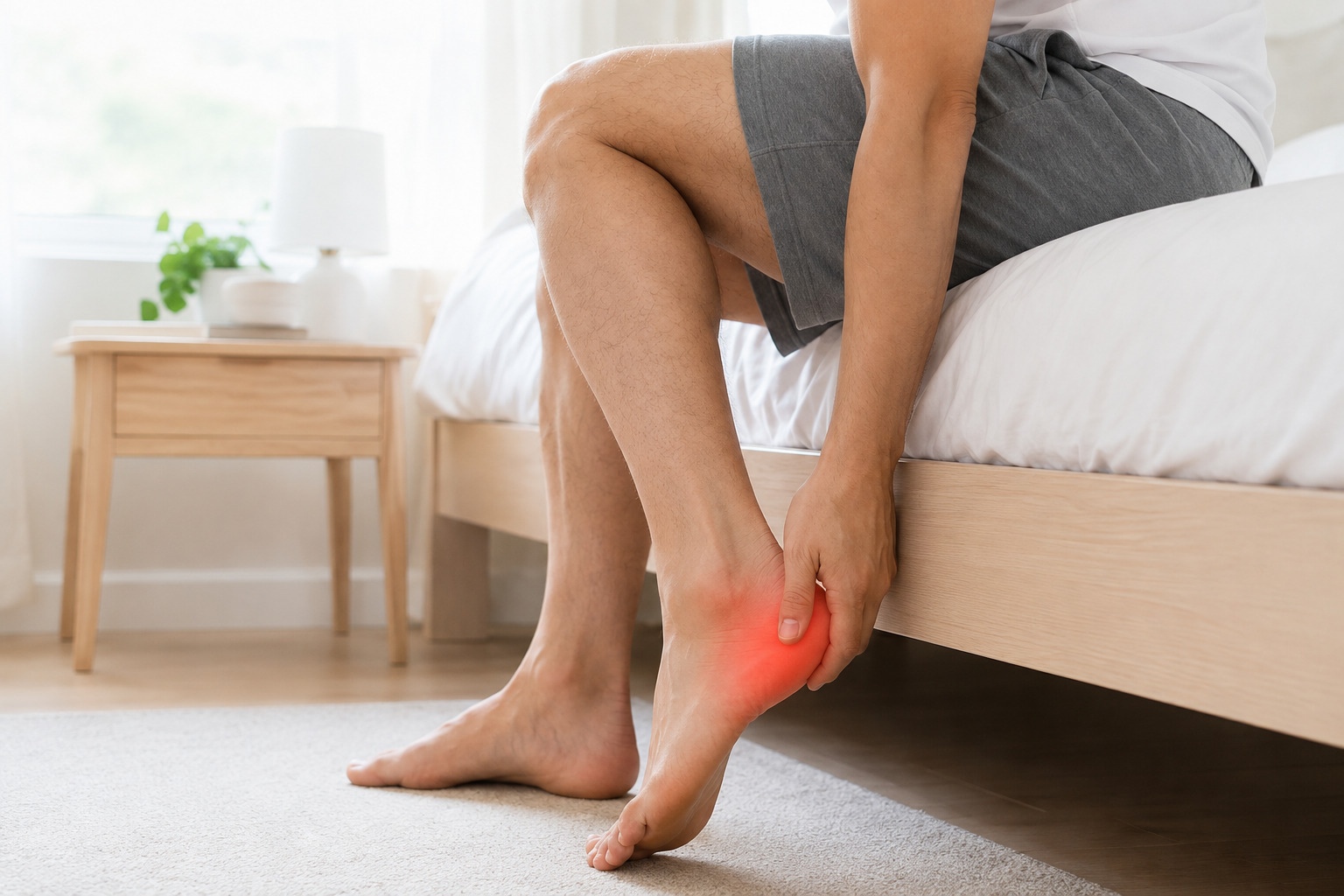
        You wake up, swing your legs over the side of the bed, and the moment your foot touches the floor, a sharp pain shoots through your heel. It can ease after a few minutes of walking, only to return after sitting for a while.

        This pattern is a hallmark of plantar fasciitis. Many patients recover with the right approach.

        What Is Plantar Fasciitis?

        Plantar fasciitis is inflammation of the plantar fascia, the thick band of tissue that runs along the sole of your foot, connecting your heel bone to the base of your toes. “Fasciitis” simply means inflammation of the fascia.

        When this band is placed under repetitive stress, small micro-tears can develop in the tissue. These micro-tears trigger an inflammatory response (your body’s natural repair mechanism), causing pain and stiffness, particularly at the point where the fascia attaches to the heel bone.

        Think of the plantar fascia like a bowstring stretched along the underside of your foot. Every step you take loads that string. If the load exceeds what the tissue can handle, whether through a sudden increase in activity, prolonged standing, or structural factors, the fibres begin to fray at their weakest point.

        Plantar fasciitis is common among runners and sports enthusiasts, but it is equally seen in those who spend long hours on their feet at work, or those who have recently increased their activity levels after a sedentary period. It is a condition that crosses all ages and fitness levels.

        Why Does Plantar Fasciitis Cause Heel Pain in the Morning?

        When you are at rest, the plantar fascia naturally shortens and contracts. The longer you rest, the tighter the tissue becomes.

        The moment you stand up and place weight on your foot, that contracted tissue is suddenly stretched and loaded all at once. This abrupt tension on already-irritated fibres produces that sharp, first-step pain.

        As you walk around and the tissue warms up and loosens, the pain often eases. Many people describe the pain as worst first thing in the morning or after sitting for an extended period, then improving after a few minutes of movement. After prolonged activity, the pain can return as the tissue fatigues again.

        This cycle of pain, relief with movement, and return after rest is one of the clearer indicators that plantar fasciitis may be the cause of your heel discomfort.

        Common Causes and Risk Factors

        Plantar fasciitis typically develops when a combination of factors places more load on the plantar fascia than it can comfortably handle.

        Lifestyle and Occupational Factors

        • Prolonged standing or walking: Jobs that require long hours on hard floors, such as healthcare, retail, or food service, place continuous load on the tissue.
        • Flat, unsupportive footwear: In Singapore’s warm climate, slippers and flat sandals are popular choices, but they offer minimal arch support and cushioning, which can increase stress on the plantar fascia over time.
        • Sudden weight changes: An increase in body weight raises the load on the foot’s soft tissues with every step.
        • Hard flooring surfaces: Tile and concrete floors, common in Singapore homes and workplaces, offer little shock absorption compared to softer surfaces.

        Foot Structure and Biomechanics

        • Flat feet (low arches): When the arch collapses with each step, the plantar fascia is stretched further than it is designed to handle.
        • High arches: A rigid, high-arched foot distributes load unevenly, concentrating stress on the heel and ball of the foot.
        • Tight calf muscles and Achilles tendon: When the calf muscles (the muscles at the back of your lower leg) are tight, they pull on the heel bone and increase tension in the plantar fascia.
        • Overpronation: This is the tendency of the foot to roll inward excessively with each step, placing uneven stress on the fascia.

        Sports and Training-Related Triggers

        • Running and high-impact sports: Repetitive loading from running, football, basketball, and similar activities can overload the plantar fascia, especially on hard surfaces.
        • Sudden increases in training volume: Ramping up your mileage or training intensity too quickly may not give the tissue adequate time to adapt.
        • Inadequate warm-up or cool-down: Skipping stretching before and after exercise keeps the calf muscles and plantar fascia tight and may increase vulnerability to injury.
        • Worn-out training shoes: Shoes that have lost their cushioning and support may no longer protect the foot adequately.

        How Is Plantar Fasciitis Diagnosed in Singapore?

        Diagnosis is usually straightforward and does not require complex investigations. An orthopaedic specialist will begin with a detailed clinical history, asking about the nature and timing of your pain, your activity levels, footwear habits, and how long symptoms have been present.

        A physical examination follows, with the doctor assessing tenderness at the medial calcaneal tubercle (the bony point on the inner side of your heel where the plantar fascia attaches). Reproducing your pain with gentle pressure at this specific point is a useful diagnostic indicator.

        Imaging may be recommended in certain situations:

        • Ultrasound: This can confirm thickening or tearing of the plantar fascia and is useful when the diagnosis is uncertain or to guide injection treatments.
        • X-ray: Occasionally used to identify a heel spur, which is a bony outgrowth on the heel bone. Heel spurs visible on X-ray are not always the source of pain. Many people have heel spurs without any symptoms. The plantar fascia inflammation, rather than the spur itself, is often responsible for the discomfort.

        In many cases, a thorough clinical assessment is sufficient to support the diagnosis and begin treatment.

        Plantar Fasciitis Treatment Options

        Treatment for plantar fasciitis is stepwise, starting with the least invasive approaches and progressing only if symptoms do not improve adequately. Many cases respond to conservative, non-surgical care.

        The table below summarises the main treatment approaches, what each involves, the typical timeline for improvement, and who each option may suit best.

        Treatment Type What It Involves Typical Timeline for Improvement Who It May Suit Best
        Rest and stretching Reducing aggravating activities; daily calf and plantar fascia stretches 4-8 weeks with consistent effort Most patients as a first-line approach
        Footwear modification Switching to supportive shoes; avoiding flat slippers and hard-soled footwear Improvement alongside other measures Anyone whose footwear may be contributing
        Physiotherapy Guided stretching, strengthening, manual therapy, and gait assessment 6-12 weeks Patients with biomechanical contributors or persistent symptoms
        Orthotics Custom or off-the-shelf insoles to support the arch and reduce fascial strain Improvement alongside other measures Those with flat feet, high arches, or overpronation
        Shockwave therapy Non-invasive sound wave treatment to stimulate tissue healing 3-6 sessions over several weeks Patients with symptoms lasting 3 months or more
        Corticosteroid injection Anti-inflammatory injection into the affected area Days to weeks for pain relief Short-term relief when pain is severe; used selectively
        Surgery Partial release of the plantar fascia; rarely required Several months of recovery Cases that have not responded to 6-12 months of conservative treatment

        Stretching, Rest, and Footwear Modifications

        The foundation of plantar fasciitis treatment is a consistent stretching routine combined with sensible footwear choices. Stretching the calf muscles and the plantar fascia may reduce tension on the heel attachment and support tissue healing.

        Key stretches include:

        • Plantar fascia stretch: While seated, cross one foot over the opposite knee and gently pull the toes back toward the shin. Hold for 20-30 seconds and repeat several times.
        • Calf stretch: Stand facing a wall with one foot forward and one foot back. Keep the back heel flat on the floor and lean into the wall to stretch the calf. Hold for 30 seconds on each side.

        Performing these stretches before taking your first steps in the morning may be helpful for many people. You may wish to discuss a stretching routine with your healthcare professional to confirm it is appropriate for your situation.

        Supportive shoes with good arch support and cushioned soles may help reduce the load on the plantar fascia. In Singapore’s climate, replacing flat slippers with sandals that offer arch support and cushioning can be a practical change worth considering.

        Physiotherapy and Orthotics

        A physiotherapist can assess the way you walk and move, identify contributing biomechanical factors, and guide you through a structured rehabilitation programme. This typically includes strengthening the foot and calf muscles, improving flexibility, and addressing any gait abnormalities.

        Custom or prefabricated orthotics (supportive insoles placed inside your shoes) may help correct foot alignment and reduce strain on the plantar fascia. They are often considered for those with flat feet, high arches, or overpronation.

        Shockwave Therapy and Injection Treatments

        For cases that persist beyond three months despite consistent conservative care shockwave therapy may be considered. This non-invasive treatment delivers targeted sound waves to the affected tissue, with the aim of stimulating the body’s healing response and reducing chronic inflammation.

        Corticosteroid injections (anti-inflammatory medication injected directly into the painful area) may provide short-term pain relief, particularly when symptoms are severe. They are used selectively, as repeated injections carry a small risk of weakening the plantar fascia over time.

        When Surgery May Be Considered

        Surgery for plantar fasciitis is uncommon. It is generally considered only when symptoms have persisted for six to twelve months despite thorough conservative treatment. The procedure typically involves a partial release of the plantar fascia to reduce tension at the heel attachment. Recovery takes several months, and the decision to proceed is made carefully on an individual basis.

        How Long Does Plantar Fasciitis Take to Heal?

        Many people with plantar fasciitis see meaningful improvement within six to twelve months with consistent conservative treatment. Some experience relief sooner, particularly when they begin stretching early and address contributing factors like footwear and activity levels. Recovery time varies by individual.

        Recovery time is influenced by several factors:

        • How long symptoms have been present: Earlier intervention may support faster recovery.
        • Consistency with stretching: Daily stretching may make a meaningful difference. Sporadic effort tends to produce slower results.
        • Activity modification: Continuing high-impact activities without modification can slow healing.
        • Individual factors: Foot structure, overall health, and adherence to the treatment plan all play a role.

        Progress is often measured in weeks and months, not days. Staying consistent with your rehabilitation, even on days when the pain feels manageable, is important for recovery.

        Three Daily Habits That May Support Recovery

        • Stretch before your first step: Performing calf and plantar fascia stretches while still in bed, before placing weight on your foot, may help reduce first-step pain.
        • Choose supportive footwear every day: Avoiding flat slippers around the house and wearing shoes or sandals with arch support and cushioning from the moment you get up may help reduce strain on the plantar fascia.
        • Gradually ease back into activity: Avoiding sudden spikes in walking, running, or standing duration and increasing activity levels incrementally may allow the tissue to adapt more comfortably.

        Returning to Exercise and Sports After Plantar Fasciitis

        Returning to running, gym training, or competitive sport after plantar fasciitis is a realistic goal for many people. A graduated return to activity means progressively increasing the load on the plantar fascia over time, giving the tissue a chance to adapt and strengthen. Returning to your previous training volume too quickly is one of the more common reasons for setbacks.

        During recovery, consider cross-training alternatives that maintain your fitness while reducing impact on the heel:

        • Swimming: Cardiovascular conditioning with no impact load on the foot.
        • Cycling: Low-impact and useful for maintaining leg strength and aerobic fitness.
        • Pool running: Allows you to maintain running mechanics without ground impact.

        Signs that you may be ready to return to higher-impact activities include:

        • No pain during normal daily walking
        • Minimal or no discomfort with gentle jogging on a soft surface
        • Consistent improvement in morning stiffness over several weeks

        If pain returns when you increase your activity, scaling back and allowing more recovery time before trying again may be helpful. Working with a physiotherapist to structure your return-to-sport plan may reduce the risk of re-injury.

        When to Seek Professional Help

        • Heel pain has persisted for more than two to four weeks despite rest, stretching, and footwear changes
        • Pain is worsening rather than gradually improving
        • You are unable to bear weight comfortably on the affected foot
        • Heel pain is significantly affecting your ability to walk, work, or participate in daily activities
        • You are an athlete and pain is preventing you from training or competing
        • You have tried conservative measures consistently but are not seeing progress

        Seeking evaluation early, rather than waiting for symptoms to become severe, may support simpler treatment and more straightforward recovery.

        Commonly Asked Questions

        Can plantar fasciitis go away on its own without treatment?
        Mild cases of plantar fasciitis can improve over time with rest alone, but recovery without any active management is typically slower and less predictable. Consistent stretching, footwear changes, and activity modification may improve outcomes. Ignoring persistent symptoms and continuing aggravating activities can allow the condition to become more chronic and harder to treat.

        Is plantar fasciitis more common in runners?
        Runners are at higher risk due to the repetitive impact loading involved, but plantar fasciitis is by no means exclusive to runners. It is common among people who stand for long hours, those who have recently increased their activity levels, and individuals with certain foot structures.

        Are heel spurs the same as plantar fasciitis?
        No. A heel spur is a bony outgrowth on the heel bone that may appear on an X-ray. Plantar fasciitis refers to inflammation of the plantar fascia tissue. The two can occur together, but many people have heel spurs without any pain, and many people with plantar fasciitis do not have heel spurs. The tissue inflammation, rather than the bony spur, is typically the source of the pain.

        Should I avoid walking if I have plantar fasciitis?
        Complete rest is generally not necessary and is not always recommended. Moderate walking is usually fine and may help maintain tissue mobility. Avoiding prolonged walking on hard surfaces, walking barefoot, or sudden increases in walking duration that overload the tissue may be helpful. Wearing supportive footwear and pacing your activity are generally considered more important than stopping movement entirely. You may wish to discuss activity modification with your healthcare professional.

        What type of shoes are best for plantar fasciitis in Singapore’s climate?
        Shoes or sandals with good arch support, a cushioned midsole, and a slight heel elevation (not completely flat) are generally worth considering. In Singapore’s warm climate, supportive sandals with contoured footbeds may be a practical option for everyday wear. Flat flip-flops, hard-soled shoes, and walking barefoot on hard floors, particularly first thing in the morning, are generally best avoided. A healthcare professional can provide guidance on footwear suited to your specific foot structure.

        Next Steps for Managing Your Heel Pain

        You may wish to begin with daily calf and plantar fascia stretches, review your footwear choices, and moderate any activities that are aggravating your symptoms.

        Monitor your progress over the next two to four weeks. Many people notice improvement with these foundational steps. If your pain is not responding, is worsening, or is limiting your daily function or training, arranging a specialist assessment may be a sensible next step.

        Disclaimer: This article is for informational purposes only and does not constitute medical advice. Please consult a qualified healthcare professional for personalised guidance.

        Speak with an Orthopaedic Specialist About Your Heel Pain

        If conservative measures have not provided adequate relief, or if you are unsure whether your heel pain is plantar fasciitis, a consultation with an orthopaedic specialist may help provide clarity. An accurate diagnosis and a structured plantar fasciitis treatment plan tailored to your needs are the foundation of effective recovery, supporting your return to daily activities and the things you enjoy.

        Book Appointment

        Fill up the form and we will get back to you soon!

          Synergy Orthopaedic Group

          back to top